
Warning signs of thyroid dysfunction: An objective analysis of hormonal imbalance and clinical indicators
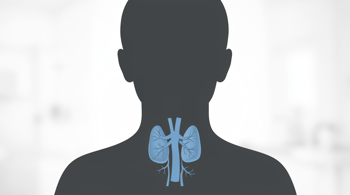
The thyroid gland, a small butterfly-shaped organ located at the base of the neck, serves as a critical regulator of the body's metabolic, cardiac, and digestive functions 1. Dysfunction within this gland occurs when it produces either excessive or insufficient amounts of hormones, impacting the body's ability to maintain homeostasis 2. Research indicates that over 12% of the U.S. population will develop a thyroid condition during their lifetime, yet as many as 60% of those affected remain unaware of their condition due to the subtlety or overlap of symptoms with other health concerns 12.
Physiological Role and Categorization of Thyroid Dysfunction
The thyroid gland secretes primary hormones, thyroxine (T4) and triiodothyronine (T3), which travel through the bloodstream to regulate energy expenditure and organ function 2. When this system falls out of equilibrium, the resulting conditions are generally categorized into two primary types: hyperthyroidism, characterized by an overactive state, and hypothyroidism, which represents an underactive state 17. These conditions are often autoimmune in nature but are generally manageable through standardized clinical protocols 2.
| Condition | Hormone Status | Metabolic Impact |
|---|---|---|
| Hyperthyroidism | Excessive | Overdrive/Accelerated |
| Hypothyroidism | Insufficient | Slowed/Decreased |
Clinical Indicators of Hypothyroidism
Hypothyroidism, or underactive thyroid, develops when the gland fails to produce sufficient hormone levels, leading to a systemic slowing of vital body functions 8. Because symptoms develop gradually, often over several years, they are frequently misattributed to aging or lifestyle factors 3. Common clinical markers associated with this condition include persistent fatigue, increased sensitivity to cold, unexplained weight gain, and constipation 37. Patients may also present with dermatological changes, such as dry skin, and physical indicators like a puffy face, hoarse voice, or thinning hair 38.
Clinical Indicators of Hyperthyroidism
Hyperthyroidism, or overactive thyroid, occurs when the gland releases too many hormones into the bloodstream, shifting the metabolism into overdrive 1. This state often manifests through physical symptoms that reflect accelerated system activity. Frequently reported signs include unexplained weight loss, rapid or irregular heartbeat, heat intolerance, and increased sweating 17. Individuals may also experience tremors in the hands, anxiety, difficulty sleeping, and increased frequency of bowel movements 17. These symptoms are often more acute than those associated with hypothyroidism due to the intense nature of metabolic acceleration 7.
Demographic Trends and Risk Factors
Thyroid disorders are significantly more prevalent in women than in men, with data suggesting women are five to eight times more likely to experience thyroid dysfunction 16. Risk factors include a family history of thyroid disease, recent pregnancy, and certain preexisting health conditions such as type 1 or type 2 diabetes or pernicious anemia 8. Age also plays a role in the clinical presentation; in older adults, symptoms often lack the classic markers seen in younger patients and may instead manifest as confusion, weakness, or unexplained changes in appetite and heart rhythm 59.
Diagnostic Challenges and Complications
Because symptoms of thyroid dysfunction are non-specific and overlap with many other medical issues, physical observation alone is rarely sufficient for a clinical diagnosis 5. Practitioners typically utilize blood tests to measure levels of thyroid-stimulating hormone (TSH) and free thyroid hormones to determine gland functionality 38. If left untreated, severe thyroid dysfunction can lead to rare but life-threatening emergencies, such as myxedema coma in the case of profound hypothyroidism or thyroid storm in the case of severe hyperthyroidism, necessitating urgent medical intervention 89.
Secondary Effects and Manifestations
Beyond metabolic regulation, the thyroid influences complex systemic functions, including reproductive health and ocular structure in specific autoimmune conditions like Graves' disease 6. Women may notice irregular, heavy, or absent menstrual cycles, as well as difficulty achieving pregnancy, due to the thyroid's role in ovulation 6. In children and adolescents, undiagnosed dysfunction can impair growth and development, negatively affecting academic performance and puberty timelines 9. Furthermore, physical manifestations such as a goiter-a visible swelling or lump in the neck-serve as a physical sign that may occur with either overactive or underactive thyroid status 9.
Sources
- Ochsner Health: What Are the Early Warning Signs of Thyroid Problems?
- NewYork-Presbyterian: What Are the Signs and Symptoms of Thyroid Disease?
- Mayo Clinic: Hypothyroidism (underactive thyroid) - Symptoms and causes
- The Well by Northwell: How to Know If You Have a Thyroid Problem
- AARP: What Are the Warning Signs of a Thyroid Disorder?
- WomensHealth.gov: Thyroid disease
- UChicago Medicine AdventHealth: Thyroid Disease Warning Signs
- NIDDK: Hyperthyroidism (Overactive Thyroid)
- Merck Manual: Hypothyroidism