
Christmas and New Year cruises to Australia and New Zealand: A Comprehensive Analysis of Seasonal Maritime Travel Trends
Travelers exploring festive maritime options often look toward the Southern Hemisphere, where Christmas and New Year cruises to Australia and New Zealand align with the height of the summer season 1. These voyages are frequently scheduled as multi-week sailings that combine major metropolitan hubs with regional scenic cruising. Because these dates coincide with peak summer demand and holiday celebrations, they represent a distinct segment of the maritime tourism market, characterized by specialized onboard programming and high occupancy levels during late December 10.
Itinerary Structures and Regional Port Coverage
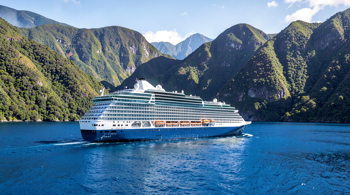
Voyages traversing these regions typically depart from major Australian hubs such as Sydney or Brisbane 4, 6, 7. A standard itinerary often spans between 9 and 14 nights, incorporating diverse stops that range from the coastal charm of the Bay of Islands to the urban centers of Auckland, Christchurch, and Dunedin 1, 2, 7. Beyond standard ports, these cruises frequently feature scenic passages through New Zealand’s Fiordland, including Milford Sound, Doubtful Sound, and Dusky Sound, which are considered marquee experiences of the itinerary 1, 5.
Operational logic dictates that vessels navigate between the two islands of New Zealand before returning to their Australian homeport. Certain itineraries may also incorporate segments along the Australian coastline, such as stops in Melbourne, allowing passengers to experience multiple regions within a single transit 6. Because these sailings occur during the summer months, weather conditions are generally temperate to warm, though maritime environments across the Tasman Sea remain subject to variable conditions that can influence final port arrivals and departures 1, 4.
Market Characteristics and Seasonal Demand
Christmas and New Year sailings operate within a high-demand period, often leading to limited inventory and premium pricing compared to shoulder-season voyages 4. Data indicates that cruise operators frequently package these voyages with value-added incentives, such as onboard beverage packages, Wi-Fi connectivity, and, in some cases, prepaid gratuities or regional flight credits to assist with passenger logistics 1, 3, 5. These all-inclusive or bonus-heavy structures are common for sailings departing in late December to mitigate the cost fluctuations associated with peak holiday travel 3, 6.
For the 2026 and 2027 seasons, internal market tracking shows that balcony staterooms and suites remain among the most sought-after categories, as passengers often prioritize views for New Year’s Eve harbor events and scenic cruising days 1, 4. Booking timelines are frequently aggressive, with many operators encouraging registrations and full deposits well in advance to ensure cabin availability during the peak holiday windows 3, 6. Consumers should evaluate the specific package inclusions-such as shore excursion credits or private terminal transfers-when comparing the overall value of various festive-season departures 3, 6.
Logistics and Entry Requirements
International travelers, particularly those from the United States, must adhere to strict entry protocols for both Australia and New Zealand. Entry to Australia typically requires an approved Electronic Travel Authority (ETA) or a specific visa, which must be secured prior to arrival at the port of embarkation 5, 11. Similarly, entry into New Zealand necessitates an NZeTA (New Zealand Electronic Travel Authority), regardless of whether the traveler is entering via air or sea 6, 12.
Failure to obtain the required documentation can result in denied boarding or significant travel delays. It is also recommended that passengers verify their travel insurance coverage specifically for maritime travel within the South Pacific, as standard policies may not always account for the unique medical or emergency requirements of remote sea-based travel 11, 12. Port authorities in cities like Sydney strictly manage vessel movements, and travelers should be aware that embarkation times are precise, necessitating early arrival in the host city prior to the ship’s departure date 8, 9.
Onboard Festive Programming
Cruise lines typically tailor their onboard environment to mirror the holiday season. This includes specialized menus for Christmas and Boxing Day, alongside formal New Year’s Eve gala events and entertainment programs designed for festive celebrations at sea 2, 5. Because the ships serve as the primary venue for these celebrations, the onboard atmosphere is a core component of the itinerary. Travelers should note that specialty dining venues and high-end services may require advance reservations, which are often heavily requested during the holiday period 2, 6.
The standard onboard offering generally encompasses complimentary main meals and access to standard entertainment, while supplemental packages are often sold to cover premium dining, beverage tiers, and enhanced connectivity options 2, 3, 6. While these amenities improve the guest experience, they are distinct from the base fare. Prospective passengers are advised to review the specific inclusions of their booking to understand which services are covered and which require additional expenditure upon boarding 3, 6.
Risk Management and Itinerary Stability
Itinerary modifications are a standard reality in maritime travel, particularly in regions with significant environmental protections and variable weather patterns like the South Pacific 1. High winds or adverse sea conditions can lead to the cancellation of specific port calls or the redirection of scenic cruising routes. Furthermore, as these cruises visit sovereign nations, passenger adherence to local biosecurity and customs regulations is mandatory throughout the voyage 1, 5.
Travelers should maintain flexible expectations regarding their arrival and departure times at each port, as port schedules are subject to local traffic and operational constraints managed by regional harbor masters 8. Keeping updated with the cruise line’s mobile applications or direct communications is the primary method for staying informed regarding itinerary shifts. Finally, the use of third-party insurance that covers trip cancellation or interruption is a standard industry recommendation for international maritime travel during peak holiday seasons 11, 12.
Summary of Regional Cruise Variations
| Region | Primary Departure Ports | Typical Festive Highlights |
|---|---|---|
| Australia/New Zealand | Sydney, Brisbane | Fiordland Cruising, NYE Gala |
| South Pacific | Sydney | Island Hopping, Warm Climate |
| Regional Coastal | Sydney, Adelaide, Perth | Cultural Tours, Urban Sightseeing |
Sources
- Cruiseabout: All-Inclusive New Zealand Christmas & New Years Celebrity Edge
- Holidays Beckon: New Zealand Christmas & New Year Cruise - Sydney
- My Cruises: All Inclusive Sounds of New Zealand Christmas and New Years Voyage 2027
- Holidays Beckon: New Zealand Christmas & New Year Cruise - Brisbane
- My Cruises: Sounds of the Season New Zealand Festive Escape
- My Cruises: Spirit of Christmas | New Zealand Escape in 2026
- My Cruises: Festive Escape to New Zealand in 2026 | Anthem of the Seas
- Port Authority of New South Wales: Cruise Information
- Tourism Australia: Guide to Sydney
- Cruise Critic: Christmas Cruises Guide
- U.S. Department of State: Australia Travel Information
- U.S. Department of State: New Zealand Travel Information