
Christmas and New Year cruises to South America: An Analytical Overview of Festive Expedition Travel
The Strategic Appeal of Festive South American Voyages
The festive season in the Southern Hemisphere, spanning late December through January, represents the primary operational window for cruise lines navigating the waters of South America 1. These voyages frequently prioritize coastal navigation, featuring transit points such as the Chilean Fjords, the Amazon River, and the rugged terrain surrounding Cape Horn 1. Travelers selecting these departures often seek a synthesis of traditional holiday celebrations and environmental exploration, taking advantage of the peak summer weather conditions prevalent in regions like Brazil, Uruguay, and Argentina 6.
Market demand for these holiday-period sailings remains consistently high, with industry trends suggesting that interest in combining coastal South American routes with Antarctic expeditions has surged 4. Consequently, prospective travelers are often advised to conduct research and secure cabin arrangements nine to twelve months before the intended departure to account for limited vessel availability 8. Packages often include comprehensive fly, stay, and cruise components, reflecting the logistical complexities of reaching Southern Hemisphere ports like Buenos Aires or Santiago 123.
Operational Logistics and Port Connectivity
Modern cruise itineraries departing from South American hubs such as Buenos Aires, Argentina, and Valparaíso (Santiago), Chile, utilize these cities as critical logistical gateways 2. These metropolitan ports are frequently selected for their ability to facilitate large-scale embarkations while offering passengers proximity to local cultural experiences, including traditional New Year festivities 3. Overnight stays in port remain a signature feature of many itineraries, allowing guests to witness local firework displays and city-wide celebrations from the perspective of the harbor 19.
Transits through the Drake Passage and the Beagle Channel form the technical backbone of the more ambitious Antarctic-bound expeditions 7. Vessels purpose-built for these conditions, such as those within the expedition-class category, often carry specialized teams of scientists and historians to provide educational context during the journey 59. Passengers can expect varying levels of onboard amenities, ranging from basic service packages to inclusive offerings that provide specialty dining, Wi-Fi connectivity, and shore excursion credits 13.
Antarctic Expedition Integration
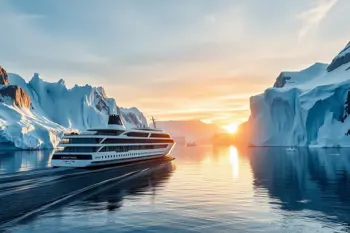
A significant portion of holiday cruise traffic focuses on the Antarctic Peninsula, where the height of the summer season facilitates safer access to ice-strewn environments 4. These voyages often span 15 to 25 days, reflecting the significant distance between major South American ports and the polar regions 15. During these expeditions, ships traverse areas such as the Weddell Sea or the Antarctic Peninsula itself, providing views of glaciers and wildlife rookeries as a core component of the Christmas and New Year programming 59.
Expedition vessels operating these routes are frequently classified with high ice-class ratings, such as PC6, to ensure safety while navigating pack ice 9. The inclusion of Zodiac landing craft allows for closer observation of nature in remote, untouched bays that larger passenger vessels cannot reach 59. Due to the remote nature of these destinations, the travel experience is structured around highly regimented schedules to maximize environmental safety and adherence to international polar regulations 9.
Variations in Onboard Experience
Cruise lines offer a diverse spectrum of ship environments, ranging from large-scale luxury liners to smaller, purpose-built expedition ships. Larger vessels, such as those operated by Princess, Holland America, and Norwegian, prioritize panoramic viewing, comprehensive dining programs, and diverse entertainment options that culminate in traditional holiday galas 1236. Conversely, expedition-style cruises emphasize an immersive educational experience, focusing on biological and geological study under the guidance of field experts 59.
| Feature | Large Cruise Ship | Expedition Vessel |
|---|---|---|
| Passenger Count | High | Low/Medium |
| Primary Focus | Entertainment/Relaxation | Exploration/Science |
| Itinerary Flexibility | Fixed Port Schedule | Responsive to Conditions |
| Inclusions | Dining/Shows | Expert-led Expeditions/Zodiacs |
Regulatory Oversight and Travel Realities
Cruising in South American and Antarctic waters involves navigating distinct regulatory frameworks. Vessels must adhere to local environmental protection laws in South American coastal waters and international maritime agreements regarding Antarctic tourism 9. Potential travelers should account for the reality that expedition itineraries are inherently subject to change based on weather patterns, pack ice density, and port accessibility 9. This inherent volatility is a standard consideration in expedition travel, necessitating flexibility on the part of the passenger 9.
Furthermore, the physical requirements for shore excursions, particularly those involving Zodiac landings or ice hiking, should be assessed by individuals with mobility concerns. While many ships offer accessible viewing from decks, the primary appeal of South American and Antarctic festive voyages often involves off-ship activity 6. Proper health screenings and travel insurance that specifically covers medical evacuation from remote regions are frequently recommended by industry operators to mitigate the risks associated with long-distance maritime travel 9.
Market Trends and Future Outlook
The market for holiday cruising in South America is evolving to include more integrated land-and-sea packages, often encompassing multi-day hotel stays in hubs like Buenos Aires or Santiago before or after the cruise 13. This trend allows for a more rounded cultural experience, balancing the isolation of the sea with the vibrancy of South American urban centers 13. As demand continues to climb, cruise lines are increasingly offering extended loyalty benefits and bundled service credits to maintain competitiveness in the premium travel sector 3.
As of recent reporting, the pricing and availability for future seasons are influenced by global fuel costs, demand for limited cabin inventory, and the specialized nature of polar-capable vessels 5710. While early-bird booking windows remain the standard for securing preferred staterooms, the diversification of cruise offerings ensures that a wide array of service levels exists for the festive traveler 78. Future growth in this sector is likely to remain tied to the continued interest in remote environment exploration combined with the convenience of organized, long-duration holiday travel 8.
Sources
- My Cruises: Antarctic Christmas & New Year Voyage
- My Cruises: South America Christmas and New Year Celebration
- My Cruises: Antarctica & South America Discovery Festive Voyage
- Cruise Critic: Best Time to Cruise South America
- Peregrine Travel Centre: Expedition Antarctica Christmas Cruise
- Princess Cruises: South America Destination Guide
- Holland America Line: South America Voyages
- Travel Weekly: South America Cruise Industry Trends
- Condé Nast Traveler: Best Places for New Year’s Eve
- Expedia: South America Cruise Comparison Platform