
Alaska Cruise from Seattle: A Practical Guide to Routes, Ports, Documents, and Travel Risks
An Alaska Cruise from Seattle typically combines a round-trip departure with Inside Passage scenery, Alaska port visits, and time aboard ship. Most commonly discussed itineraries last seven nights and include Juneau, Skagway, Ketchikan, and sometimes Victoria, although the exact route, terminal, and scenic-cruising destination depend on the sailing. 1
Seattle’s Cruise Terminals
Seattle has two primary cruise facilities serving Alaska voyages: Pier 66 at Bell Street Pier in the downtown waterfront area and Pier 91 at Smith Cove. Their locations are different, so a hotel or transportation plan based only on the city name can be incomplete. The terminal assignment is determined by the ship and sailing rather than by a general Alaska-cruise rule. 1
The Port of Seattle publishes a cruise schedule identifying ship calls and sailing information. That schedule is the most appropriate reference for confirming a vessel’s expected terminal and departure details, because terminal operations and ship movements can change. Travelers should compare the official schedule with cruise documents before arranging airport transfers, lodging, or arrival timing. 2
Typical Routes and Duration
The standard Seattle pattern is a seven-night round trip that returns to the same port. Common calls include Ketchikan, Juneau, and Skagway, with scenic cruising through the Inside Passage and, depending on the itinerary, a stop in Victoria, British Columbia. One Royal Caribbean example lists Seattle, a sea day, Juneau, Skagway, Ketchikan, another sea day, Victoria, and Seattle. 3
Route variation is important because scenic destinations are not interchangeable. Published examples include Glacier Bay, Endicott Arm and Dawes Glacier, and other glacier-viewing areas. A Norwegian Encore itinerary dated August 30, 2026, lists Juneau, Skagway, Glacier Bay, Ketchikan, Victoria, and Seattle, illustrating how a seven-night schedule can prioritize a national park or glacier passage while retaining the same general round-trip structure. 3
What the Main Alaska Ports Offer
Ketchikan is associated with fishing culture, salmon-related activities, Tlingit heritage, totem carvings, hatchery visits, and rainforest trails. Juneau provides access to whale-watching, Mendenhall Glacier, Mount Roberts, historic downtown areas, and flightseeing or kayaking options. These activities are shore-based and time-limited, so the ship’s arrival and departure windows affect what can realistically be visited. 10
Skagway is strongly connected to the Klondike Gold Rush, and the Klondike Gold Rush National Historical Park preserves locations associated with the 1898 event. The town also provides access to historic streets and the White Pass and Yukon Route Railway. Excursion availability, weather, transportation time, and port schedules can restrict the number of attractions manageable during a single call. 7
Scenery, Wildlife, and Seasonal Conditions
Inside Passage cruising is a central feature of many Seattle departures, combining forested coastlines, fjords, wildlife corridors, and glacier views. Summer is the concentrated Alaska sailing period and is associated with long daylight hours, relatively mild coastal conditions, wildlife viewing, and dramatic scenery. These descriptions indicate seasonal tendencies, not guarantees of clear weather or wildlife sightings. 3
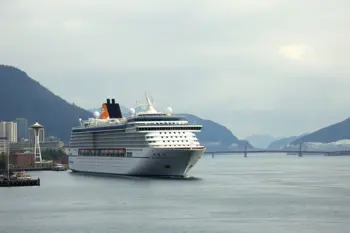
Scenic cruising differs from a port visit because passengers may remain aboard while the vessel travels through a glacier area or protected waterway. Glacier Bay, Endicott Arm, Dawes Glacier, Hubbard Glacier, and Tracy Arm appear across published itinerary descriptions, but not every sailing includes each location. Weather, safety, and operational considerations can alter ports or scenic passages after booking. 3
Getting to the Waterfront
Seattle-Tacoma International Airport is connected with central Seattle by Sound Transit Link light rail, creating a public-transit option for travelers staying near the downtown cruise area. The practical value of that connection depends on the terminal: Pier 66 is in the downtown waterfront area, while Pier 91 is at Smith Cove. Luggage, transfer time, and the ship’s assigned facility remain relevant planning constraints. 4
Seattle can also function as a pre- or post-cruise destination, with visitor information covering attractions, food, cultural sites, and waterfront areas. A night before departure can reduce exposure to flight delays on embarkation day, but hotel location should be evaluated against the assigned terminal rather than selected solely for proximity to downtown. Exact cruise-season operations should be checked against official port information. 3
Documents, Health, and Passenger Protections
U.S. citizens generally need a Western Hemisphere Travel Initiative-compliant document for cruise travel involving Canada and Alaska. A passport book is broadly useful because document needs can vary with itinerary details, emergencies, and repatriation circumstances. Travelers who are not U.S. citizens must review Canadian entry requirements, including passport, visa, and electronic authorization rules that depend on nationality and how Canada is entered. 5 6
Travel planning also involves health and consumer-protection risks. The Centers for Disease Control and Prevention provides vessel-sanitation and cruise-health information, while the U.S. Department of Transportation publishes guidance concerning cruise disclosures and passenger issues. These resources do not eliminate illness, delay, cancellation, or itinerary-change risks, but they provide regulatory and public-health information for evaluating a voyage and understanding available passenger guidance. 8 9
How to Compare an Itinerary Objectively
An itinerary comparison should examine the number and timing of Alaska port calls, the presence of Glacier Bay or another glacier passage, the inclusion of Victoria, the number of sea days, and the departure terminal. A larger ship may emphasize onboard dining, entertainment, and activities, while a smaller vessel may provide a different onboard atmosphere. These are structural differences, not universal quality rankings.
Published schedules should be treated as planning information rather than permanent guarantees. Port calls can change because of weather, safety, or operational conditions, and excursion timing is constrained by the ship’s schedule. A complete assessment therefore includes transportation connections, travel documents, health information, cancellation or disclosure terms, and the possibility that a scenic destination or port may be modified.
Sources
- Port of Seattle, Cruise Terminals: https://www.portseattle.org/page/cruise-terminals
- Port of Seattle, Cruise Schedule: https://www.portseattle.org/page/cruise-schedule
- Visit Seattle, Cruises: https://www.visitseattle.org/things-to-do/cruises/
- Sound Transit, Link Light Rail: https://www.soundtransit.org/ride-with-us/routes-schedules/link-light-rail
- U.S. Customs and Border Protection, Western Hemisphere Travel Initiative: https://www.cbp.gov/travel/us-citizens/western-hemisphere-travel-initiative
- Government of Canada, Entry Requirements: https://www.canada.ca/en/immigration-refugees-citizenship/services/visit-canada/entry-requirements.html
- National Park Service, Klondike Gold Rush National Historical Park: https://www.nps.gov/klgo/planyourvisit/index.htm
- U.S. Department of Transportation, Cruise Consumer Information: https://www.transportation.gov/individuals/aviation-consumer-protection/cruise
- Centers for Disease Control and Prevention, Vessel Sanitation: https://www.cdc.gov/vessel-sanitation/about/index.html
- Alaska.org, Alaska Cruise Ports: https://www.alaska.org/advice/alaska-cruise-ports