
Itinerary travel to Japan: A Structural Analysis of the Golden Route for First-Time Visitors
Planning an itinerary for travel to Japan often centers on the Golden Route, a well-established corridor connecting the urban expanse of Tokyo with the traditional landscapes of Kyoto and the culinary centers of Osaka 1. For those visiting for the first time, this path offers a structured introduction to the country's diverse regions, relying on an efficient, high-speed rail network 2. Successfully navigating this route requires careful attention to pacing, regional transit logic, and pre-departure logistical preparation to balance site-seeing with the realities of metropolitan travel 3.
Strategic Itinerary Frameworks: The Golden Route
The Golden Route typically spans 7 to 14 days, with the most common duration being 10 days for a comprehensive pace 4. A 7-day schedule requires a focus on core neighborhoods, such as Shibuya and Shinjuku in Tokyo and the temple districts of Kyoto, often resulting in a tighter itinerary that prioritizes transit efficiency over extensive exploration 5. Conversely, a 10-day allocation allows for the inclusion of day trips to areas like Kamakura, Nara, or Hakone, providing a more balanced view of both urban and natural surroundings 6.
First-time visitors often utilize an open-jaw flight strategy, landing in Tokyo and departing from Osaka to minimize travel time and avoid redundant transit legs 7. By following this east-to-west trajectory, travelers can streamline their movement across the Shinkansen network, which connects Tokyo Station to Kyoto and eventually to the Kansai region in a matter of hours 8. This approach preserves time for actual destination exploration rather than logistical backtracking, a common pitfall in less structured planning cycles 9.
Regional Transit and Connectivity Metrics
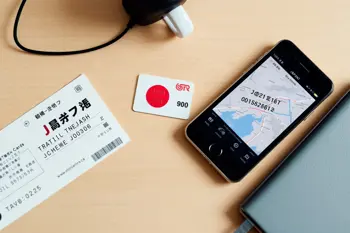
Central to any Japanese itinerary is the mastery of the local and intercity transit systems. The Japan Rail (JR) Pass was historically the default choice for travelers, but recent pricing shifts necessitate individual route calculations to determine if the cost of the pass aligns with actual usage 10. For journeys primarily limited to the Tokaido Shinkansen line between Tokyo and Osaka, individual ticket purchases may prove more economical than a national pass 11.
Within cities, Integrated Circuit (IC) cards such as Suica or Pasmo serve as the standard for navigating subways, buses, and local rail lines 12. These cards also facilitate transactions at convenience stores, which are ubiquitous and essential for travelers needing quick access to supplies or basic provisions 13. Digital integration, including the use of eSIMs or pocket Wi-Fi devices, remains highly recommended to leverage navigation tools like Google Maps, which are critical for interpreting complex metropolitan transit signage 14.
Logistical Essentials and Pre-Departure Planning
Entry requirements for Japan typically involve minimal friction for short-term tourism, with US passport holders generally exempt from visa requirements for stays up to 90 days 15. To expedite the arrival process, travelers are encouraged to utilize the Visit Japan Web portal for pre-registering immigration and customs documentation 16. Ensuring that passports remain valid for the entirety of the stay is a mandatory baseline requirement for all international arrivals 17.
Luggage management represents a practical challenge during travel between cities. The use of luggage forwarding services, known as TA-Q-BIN, allows individuals to transfer suitcases between hotels, enabling them to navigate train stations and urban environments without the burden of heavy items 18. Utilizing station lockers for short-term storage on travel days is another effective method for maintaining mobility while transitioning between bases in Tokyo, Kyoto, or Osaka 19.
Geographic Distribution: Where to Base Your Trip
Choosing the correct accommodation base in each city significantly influences daily travel efficiency. In Tokyo, Shinjuku is frequently cited for its superior transit connections, while the Ginza or Tokyo Station areas provide more direct access to long-distance train lines 20. In Kyoto, staying near Kyoto Station simplifies day trips to surrounding areas like Nara or Fushimi Inari, whereas the Gion or Higashiyama districts offer closer proximity to historical cultural sites 21.
| City | Primary Base Recommendation | Transit Utility |
|---|---|---|
| Tokyo | Shinjuku/Tokyo Station | High (Hub for JR lines and subways) |
| Kyoto | Kyoto Station/Kawaramachi | High (Access to buses and trains) |
| Osaka | Namba/Umeda | High (Central to food and night life) |
Budgetary Considerations and Cost Estimation
While costs vary depending on personal preferences and luxury levels, first-time itineraries should account for the rise in city accommodation taxes and the fluctuating nature of currency exchange 22. A mid-range, 7-day trip typically accounts for daily transit, meals, and entry fees that fluctuate based on regional demand 23. It is advised to research current price structures for standard tourist attractions and rail services periodically, as these figures are subject to change as of the 2026 fiscal year 24.
Maintaining a portion of the travel budget in Japanese Yen is recommended, as smaller traditional establishments, local transit, and temple entry fees may still operate on a cash-only basis 25. While digital payment adoption is growing, the reliance on physical currency in specific cultural settings remains a standard aspect of travel within the country that should not be overlooked by visitors planning their expenses 26.
Seasonal Impacts on Travel Logistics
Timing the visit is perhaps the most significant factor in managing the density of tourist crowds and local climate conditions. The spring period, specifically late March through early April, coincides with the cherry blossom season, which brings high visitor volumes and requires earlier booking windows for accommodation and transit 27. Similarly, the autumn months in November offer stable weather and scenic foliage, leading to sustained popularity that may affect local travel patterns and site accessibility 28.
Regardless of the season, understanding the cultural etiquette and local operational hours is essential for a smooth experience. Popular sites, particularly in Kyoto, are subject to significant crowd fluctuations, making early morning visits an effective strategy for those seeking to minimize wait times at major landmarks 29. Adapting to these cultural rhythms allows for a more immersive and less stressful experience, effectively bridging the gap between a standard checklist of sites and a more nuanced exploration of the region 30.
Sources
- Japan National Tourism Organization: https://www.japan.travel/en/itinerary/the-classic-golden-route/
- The Japanode: https://thejapanode.com/guides/7-day-japan-itinerary-first-timers
- The Standard Japan: https://thestandardjapan.com/travel/japan-itinerary-7-days
- ClaraTravels: https://claratravels.com/japan-itinerary-for-first-time-visitors/
- Japan Guide: https://www.japan-guide.com/e/e2359_003.html
- MyTripBlueprint: https://mytripblueprint.com/en/itineraries/japan-12-days
- JapanLinked: https://japanlinked.com/10-days-in-japan-itinerary/
- MileAsia: https://mileasia.com/japan/tokyo-kyoto-osaka-itinerary/
- Japan Trip Navi: https://kanko-map.com/en/japan-10-day-itinerary/
- JR Pass: https://www.jrpass.com/blog/is-the-jr-pass-worth-it-now
- JapanGuideTips: https://japanguidetips.com/10-day-japan-itinerary/
- Google Support: https://support.google.com/maps/answer/3273406
- Forbes Advisor: https://www.forbes.com/advisor/travel-rewards/travel-tips-for-japan/
- Digital Agency (Japan): https://vjw-lp.digital.go.jp/en/
- U.S. Embassy & Consulates in Japan: https://jp.usembassy.gov/services/visa/tourism-visitor/
- Digital Agency (Japan): https://vjw-lp.digital.go.jp/en/
- U.S. Department of State: https://travel.state.gov/content/travel/en/international-travel/International-Travel-Country-Information-Pages/Japan.html
- MyTripBlueprint: https://mytripblueprint.com/en/itineraries/japan-12-days
- JapanLinked: https://japanlinked.com/10-days-in-japan-itinerary/
- MyTripBlueprint: https://mytripblueprint.com/en/itineraries/japan-12-days
- UNESCO World Heritage Centre: https://whc.unesco.org/en/list/688/
- The Japanode: https://thejapanode.com/guides/7-day-japan-itinerary-first-timers
- Japan Trip Navi: https://kanko-map.com/en/japan-10-day-itinerary/
- The Japanode: https://thejapanode.com/guides/7-day-japan-itinerary-first-timers
- MyTripBlueprint: https://mytripblueprint.com/en/itineraries/japan-12-days
- MyTripBlueprint: https://mytripblueprint.com/en/itineraries/japan-12-days
- Lonely Planet: https://www.lonelyplanet.com/japan/planning/best-time-to-visit
- Lonely Planet: https://www.lonelyplanet.com/japan/planning/best-time-to-visit
- Japan Trip Navi: https://kanko-map.com/en/japan-10-day-itinerary/
- destination.com: https://www.destination.com/itineraries/7-days-in-japan