
Easy short haircuts for thin hair: An analysis of professional styling techniques and cut strategies
When addressing the challenges of thin or fine hair, the conventional wisdom often favors shorter lengths to combat the effects of gravity and weight. Thin hair, characterized by a smaller diameter per strand, and thinning hair, which refers to lower overall density, both benefit from structural cuts that remove excess weight 2. Professionals note that long, heavy hair often pulls strands flat against the scalp, inadvertently emphasizing sparse areas 7. By transitioning to a shorter, well-structured style, the roots can lift naturally, facilitating a fuller silhouette that is easier to maintain on a daily basis 9.
The Mechanics of the Blunt Bob
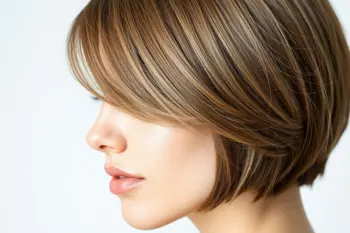
The blunt bob remains a primary recommendation for those with thin hair, primarily because it establishes a solid perimeter at the ends 5. By cutting hair in a perfectly straight, horizontal line, the stylist gathers all available density in one place, which effectively eliminates wispy or feathery ends that can appear stringy 5. This structural approach provides the hair with a clean, intentional frame that can be styled between the chin and the collarbone to avoid the weight associated with longer lengths 5.
Maintaining this look requires precision, as the goal is to create weight exactly where it is needed most 1. When the ends are kept blunt rather than point-cut or razor-cut, the hair appears significantly denser at the bottom, which tricks the eye into perceiving a thicker overall head of hair 6. Stylists emphasize that this technique does not rely on volume products alone but uses the physical geometry of the cut to ensure that even naturally fine strands maintain a feeling of fullness and structure 1.
Strategic Layering and Texturing
While some layering is beneficial for movement, it is essential to avoid excessive thinning through over-layering, as this can remove too much weight and lead to a flat, lifeless appearance 4. The objective of modern layering for thin hair is to introduce subtle, internal structure that allows the hair to bounce away from the scalp 7. Techniques such as point-cutting or feathering must be handled with care to ensure the perimeter retains enough density to avoid exposing the scalp 10.
For those interested in a shag-inspired style, the focus should remain on soft, wispy layers rather than aggressive, disconnected chops 10. A short shag haircut for fine hair, when executed with professional guidance, incorporates a slightly longer top section of roughly two to three inches to facilitate lift while keeping the perimeter rounded 10. This balance prevents the dreaded see-through effect often associated with traditional, high-volume shag styles, ensuring the silhouette remains cohesive and dense 10.
The Versatility of the Pixie and Bixie
The pixie cut is frequently cited as one of the most effective ways to manage fine hair, particularly when featuring tapered sides and a slightly longer crown 9. By removing bulk from the back and sides, the hair gains a natural upward momentum that provides a permanent lift 9. A root fade or blonde highlights can further enhance this by creating visual depth, as the contrast between the natural color and the lighter tones creates the illusion of thicker, more textured hair 3.
The bixie, a hybrid of a bob and a pixie, offers a more modern, slightly edgy aesthetic for those who want more styling flexibility than a traditional pixie allows 3. This cut provides the necessary volume at the nape of the neck while retaining enough length around the face to soften features 3. Like the bob, the bixie benefits from strategic styling to ensure the hair maintains its shape throughout the day, often requiring minimal effort to refresh once the cut is properly established 3.
Addressing Scalp Visibility and Face-Framing
For individuals dealing with localized thinning, such as near the hairline or the part, the choice of fringe or styling direction can be transformative 2. Curtain bangs and side-swept styles are effective tools for concealing thinner patches while framing the face, providing a fuller appearance around the forehead 2. A deep side part is also a proven technique, as it pushes hair across the crown, instantly creating more height and volume than a standard center part, which tends to expose more of the scalp 2.
It is important to discuss these specific needs with a stylist, as they can tailor the cut to account for the unique growth patterns of the individual 1. For example, if thinning is concentrated at the crown, the stylist may suggest crown layering that focuses on lift rather than length 10. These subtle, professional adjustments ensure that the hair does not collapse easily, allowing for a look that is both modern and manageable regardless of the user's daily schedule 1.
Maintenance and Styling Considerations
Achieving maximum volume does not stop at the salon visit. The choice of styling products is essential for maintaining the structure of short cuts, with dry texture sprays, foams, and light mousses being the most recommended for adding body without creating a sticky or weighed-down finish 1. Professionals often advise against using heavy serums or oils near the roots, as fine hair can be quickly overwhelmed by even small amounts of product, leading to a flatter, limp appearance 9.
| Technique | Benefit for Thin Hair |
|---|---|
| Blunt Perimeters | Creates a denser, uniform look at the ends. |
| Strategic Layers | Provides internal structure and lift without thinning. |
| Side-Parting | Maximizes volume at the crown and covers the scalp. |
| Tapered Nape | Pushes hair upward for a naturally voluminous silhouette. |
Evaluating Professional Advice
Before committing to a specific style, a professional analysis of one's hair texture and density is highly recommended 1. While general trends exist, the specific geometry of one's face shape and the degree of hair loss should dictate the final cut 2. Stylists emphasize that the goal of these cuts is to enhance the existing texture rather than fighting against it, which requires a collaborative approach to determine whether a blunt, textured, or tapered style will yield the best results for the individual 4.
Ultimately, the most successful short haircuts for thin hair are those that prioritize structural integrity over length 7. By removing the weight that prevents fine strands from achieving height, individuals can enjoy a versatile, modern look that requires significantly less time to style than longer, thinner hair 4. Regular maintenance, such as trimming every few weeks to keep the blunt ends clean and the shape precise, is the key to ensuring that the illusion of fullness remains consistent 1.
Sources
- Glamour: 13 Bobs for Thin Hair and How to Style Them
- InStyle: 32 Voluminous Short Hairstyles for Thinning Hair
- The Right Hairstyles: 100 Flattering Short Hairstyles for Fine Hair
- Voloom: Our Favorite 15 Short Hairstyles for Fine Hair
- Times of India: Thin hair looking flat? Try these hairstyles for instant volume
- Belle Beauty Hacks: 14 Short Blunt Cuts for Thin Hair That Add Instant Volume
- Eat Healthy 365: Low-Maintenance Short Hairstyle for Fine Hair
- Improve Wood: 15 Short Hairstyles for Thin Fine Hair
- Hilary Farrer Physiotherapy: Short Haircut for Fine Hair
- Improve Wood: Short Shag Haircuts for Fine Hair