
Christmas and New Year cruises to the Mediterranean: Analyzing Winter Voyage Logistics and Regional Market Trends
Choosing to embark on a Christmas and New Year cruise to the Mediterranean represents a departure from traditional peak-season summer travel patterns 1. Unlike the high-intensity tourist months, winter sailings offer a distinct environment characterized by reduced passenger volumes at popular historical sites and a more localized cultural experience 2. Prospective travelers frequently evaluate these voyages based on the balance between festive onboard programming and the logistical considerations inherent to navigating European ports during the cooler winter months 3.
Seasonal Itinerary Patterns and Regional Gateways
Mediterranean holiday sailings generally focus on major transit hubs that remain operational year-round. Common embarkation points for December voyages include Barcelona, Spain; Civitavecchia, Italy (the gateway to Rome); and Marseille, France 4. Itineraries often follow Western Mediterranean routes, covering ports such as Valencia, Genoa, and Livorno, which allows for exposure to diverse cultural environments including Catalonian and Tuscan historical sites 5. Some specialty cruise operators provide smaller ship experiences, focusing on regions such as the Amalfi Coast and Sicily, to offer a more intimate look at local traditions 6.
Standard itineraries for December typically range from seven to nine nights, though operators may offer extended voyages depending on the specific seasonal demand 7. Because many ports like Athens or Rome are year-round urban centers, they continue to offer access to museums, cathedrals, and historical monuments even when typical summer tourist traffic is absent 8. However, travelers should note that while major metropolitan ports remain active, smaller, island-centric ports that rely primarily on seasonal tourism may exhibit reduced services or limited infrastructure access during December 9.
Onboard Festive Programming and Ship Operations
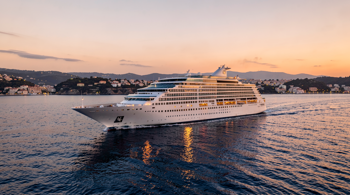
Cruise lines typically curate unique festive experiences to accommodate guests during the Christmas and New Year period 10. Common offerings include specialty holiday-themed menus, live musical performances, and organized New Year’s Eve celebrations at sea 11. On ships such as the MSC Sinfonia or the Viking Vesta, onboard environments are adjusted to include seasonal decor and thematic events, designed to mirror the celebratory nature of the season without the stress of land-based hosting duties 12.
Operational inclusions often encompass meals in both buffet and formal dining settings, standard service charges, and entertainment such as theatre shows or casino access 13. Guests may find that holiday voyages prioritize a mix of discovery and relaxation, with cruise operators managing logistics such as cleaning, cooking, and event coordination 14. It is standard for major cruise lines to maintain these service standards through the New Year, often extending festive programs through early January in alignment with local European cultural celebrations 15.
Weather Expectations and Shore Excursion Realities
Cruising the Mediterranean in December necessitates an adjustment in expectations regarding weather and outdoor activity 16. The climate is significantly cooler than summer months, often requiring layered clothing for shore excursions 17. Daylight hours are also notably shorter, which dictates the pace of sightseeing; visitors should plan for earlier sunsets when coordinating visits to historical sites like the Colosseum or the Acropolis 18. The lack of high-heat conditions makes long walking tours more manageable, provided the passenger is prepared for variable winter weather conditions 19.
The shift in climate also influences the nature of shore excursions. Rather than beach-oriented activities, holiday-season itineraries often emphasize cultural immersion, such as exploring Christmas markets in Marseille, visiting cathedrals in Florence, or touring ancient amphitheatres in Italy 20. Travelers are advised to verify the operating status of specific attractions prior to arrival, as some historic sites may operate on limited winter schedules or close entirely on public holidays such as December 25th 21.
Regulatory Oversight and Entry Requirements
International travel within the Mediterranean basin requires careful attention to entry and exit regulations, particularly for non-European citizens 22. Most ports of call are located within the Schengen Area, meaning that travel between these countries is generally governed by unified border rules; however, travelers should verify passport validity and visa requirements for their specific nationality 23. In instances where an itinerary includes non-Schengen destinations such as Turkey, separate entry requirements may apply, making it essential to review documentation needs for every country listed on the vessel’s manifest 24.
Furthermore, local government authorities in many Mediterranean cities and regions impose tourist taxes 25. These fees are often separate from the cruise fare and may be dependent on the length of stay, the type of accommodation, or local municipal regulations 26. It is standard practice for such taxes to be paid in local currency, and passengers should anticipate that port-related fees and city taxes are subject to change based on local governance policies at the time of the voyage 27.
Economic and Market Considerations
Cruise pricing for the holiday season is influenced by ship capacity, cabin category, and the duration of the sailing 28. Available categories typically include inside, outside, balcony, and suite staterooms, with pricing often structured on a per-person, twin-share basis 29. Travelers seeking to book multiple cabins or add children to their booking are encouraged to follow the standard administrative processes provided by their cruise operator to receive accurate quotes 30. Because these voyages cover diverse regions, the cost of transit, such as airfare to the port of embarkation, is typically handled as a separate component from the base cruise fare 31.
Market demand for late-December departures remains high, particularly for itineraries that feature significant urban centers or major holiday celebrations 32. Prospective passengers often look for detailed quotes that specify inclusions, such as service charges and gratuities, to ensure a complete understanding of the financial commitment involved 33. As with any international vacation, securing comprehensive travel insurance that covers potential delays, medical emergencies, or itinerary changes remains a critical component of trip preparation for winter maritime travel 34.
Summary of Planning Necessities
Successful holiday cruising in the Mediterranean relies on proactive planning and a clear understanding of the seasonal shift in European travel. While the region is celebrated for its summer allure, the winter months provide a unique value proposition for those prioritizing culture, architecture, and a quieter pace of life 35. From navigating the logistics of European port entry to understanding the nuances of on-board festive dining, travelers should approach the planning phase as a multifaceted task involving documentation, climate readiness, and financial awareness 36.
Ultimately, the choice of vessel and itinerary should align with individual goals for the festive season, whether that involves maximizing time in major cultural capitals or enjoying the serene experience of a quiet sea day during the winter solstice 37. By remaining informed about port operations, entry requirements, and the specific offerings of the cruise line, passengers can effectively manage the practical realities of a Mediterranean holiday voyage 38.
Sources
- The Times Holidays - Mediterranean from Civitavecchia (2026)
- Bucket List Guides - Cruising the Mediterranean in December
- Windstar Cruises Travel Blog - 5 Reasons to Celebrate a Christmas & New Year’s Cruise at Sea
- Port de Barcelona - Cruise Operations Information
- Times Holidays - Mediterranean from Barcelona Itinerary Data
- World of Cruising - A Mediterranean Christmas (Naples)
- Global Journeys - New Year & Christmas Cruises (2026-2028)
- Piraeus Port Authority - Athens Cruise Information
- Marseille Fos Port - Cruise Industry Overview
- Oceania Cruises - Holiday and New Year Voyages (2026-2028)
- Royal Caribbean - Mediterranean Cruise Holidays (2026-2027)
- TreeTopTravel - New Year Mediterranean Voyages
- MSC Cruises - General Mediterranean Itinerary Data
- Windstar Cruises - Seasonal Onboard Programming
- Breaking Travel News - Oceania Cruises 2026-2027 Holiday Schedule
- Bucket List Guides - Winter Weather and Sightseeing Logistics
- General Travel Advice - Mediterranean Winter Climate Patterns
- Port of Civitavecchia - Official Cruise Port Resources
- General Travel Advice - Seasonal Shore Excursion Planning
- Bucket List Guides - Off-Season Mediterranean Cultural Sites
- U.S. Department of State - International Travel Advisories
- European Commission - Schengen Area Border Rules
- European Commission - Visa Regulations
- General Travel Advice - Non-Schengen Mediterranean Entry Requirements
- Times Holidays - Tourist Tax Explainer
- Port of Civitavecchia - Local Tourist Tax Information
- General Travel Advice - International Travel Financial Compliance
- MSC Cruises - Cabin and Pricing Structuring
- Times Holidays - Booking Reference and Cabin Categories
- MSC Cruises - Passenger Booking Administration
- General Travel Advice - Airfare and Cruise Package Separation
- Global Journeys - 2026-2028 Holiday Sailings Demand
- Times Holidays - Service Charges and Gratuities Information
- U.S. Department of State - Travel Preparation Recommendations
- Bucket List Guides - Value of Off-Season Mediterranean Cruises
- General Travel Advice - Winter Travel Planning
- Oceania Cruises - Vessel and Itinerary Planning Objectives
- General Travel Advice - Cruise Passenger Preparedness