
HIV Skin Symptoms: What They Look Like & When They Appear
Facts:
- Many HIV skin conditions are manageable with treatment.
- Understanding symptoms is crucial for early HIV detection.
Understanding the Dermatological Impact of HIV
The human immunodeficiency virus (HIV) significantly impacts the body's immune system, making it more susceptible to various infections and conditions, many of which manifest on the skin. Understanding how does hiv affect the skin is a critical first step in recognizing potential signs of the virus. Skin issues are incredibly common among people living with HIV, often serving as one of the first indicators of an infection. These manifestations can range from mild rashes to more severe lesions and infections. Recognizing what are early hiv skin symptoms can prompt timely testing and medical intervention, which is essential for managing the virus effectively with antiretroviral therapy (ART) and preventing its progression. This guide provides a comprehensive overview of HIV-related skin symptoms, exploring their appearance, timing, and underlying causes.
What Are Early HIV Skin Symptoms and When Do They Appear?
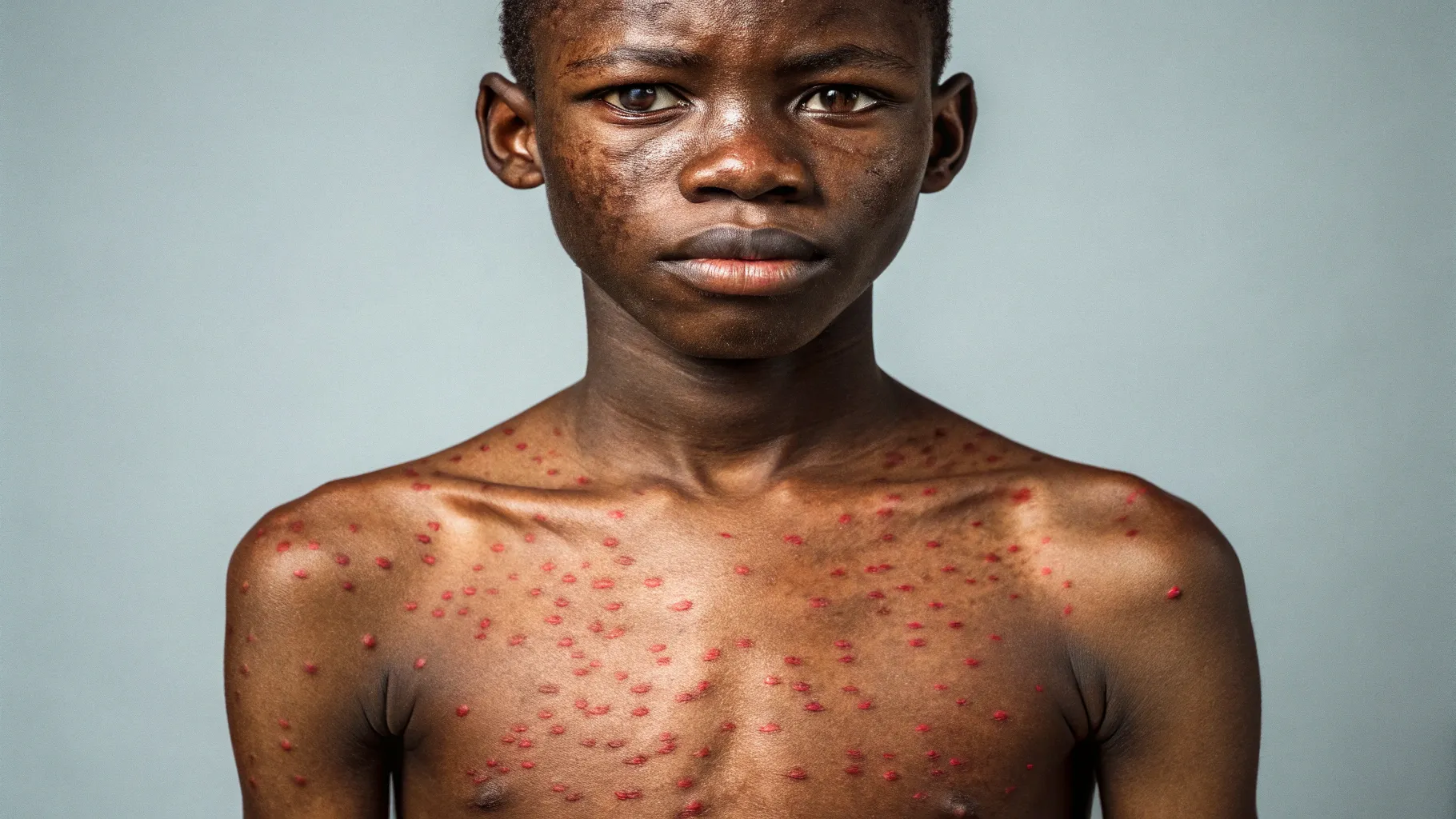
One of the most frequently asked questions is about what are early hiv skin symptoms. During the initial, or acute, phase of HIV infection, which typically occurs 2 to 4 weeks after exposure, the body undergoes seroconversion. This is when the immune system begins to produce antibodies against the virus. During this period, many people experience flu-like symptoms, and a specific type of rash, known as an acute retroviral syndrome rash, may appear. So, when do hiv skin symptoms appear? This early rash is a key indicator. It is typically a maculopapular rash, meaning it consists of both flat, red areas (macules) and small, raised bumps (papules). It often appears on the upper body, such as the torso, chest, and sometimes the face and limbs. The rash is usually not itchy or painful, which can sometimes lead people to dismiss it. Understanding this timeline is vital, as seeking medical advice at this stage can lead to an early diagnosis and a much better long-term health outcome.
Common Rashes and Lesions: What HIV Skin Symptoms Look Like
Beyond the initial acute phase, HIV can cause a variety of skin conditions as the immune system weakens over time. A common query is, can hiv cause rashes on the skin of different types? The answer is a definitive yes. Knowing what hiv skin symptoms look like is crucial for ongoing health monitoring. Common conditions include seborrheic dermatitis, which causes scaly, red patches on oily areas like the face and scalp; xerosis, or severe dry skin, which can lead to itching and cracking; and folliculitis, an inflammation of hair follicles that results in small, pimple-like bumps. Other potential issues include eosinophilic folliculitis, which is intensely itchy, and various fungal infections like candidiasis (thrush) or ringworm. In individuals with more advanced HIV (AIDS), more severe conditions such as Kaposi's sarcoma—which causes dark purplish or brown lesions—can develop. Each condition has a distinct appearance, and a dermatologist can help identify the specific cause.
How Does HIV Affect the Skin Beyond Rashes?
The question of how does hiv affect the skin extends beyond just rashes and lesions. A compromised immune system creates an environment where opportunistic infections and other dermatological problems can thrive. For instance, people with HIV may be more prone to bacterial infections like impetigo and cellulitis, or viral infections such as herpes simplex (cold sores, genital herpes) and molluscum contagiosum, which causes small, flesh-colored bumps. Photosensitivity, an increased sensitivity to sunlight, is another common issue, which can worsen existing skin conditions or cause severe sunburns. Furthermore, some medications used to treat HIV can have side effects that manifest on the skin, including rashes or changes in fat distribution (lipodystrophy). Therefore, managing skin health involves not just treating the visible symptoms but also effectively managing the underlying HIV infection with ART to restore immune function.
Actionable Advice for Managing HIV-Related Skin Conditions
Effectively managing skin symptoms is a key part of living well with HIV. It requires a combination of medical treatment, diligent self-care, and regular monitoring. If you are wondering what hiv skin symptoms look like on your own body, the first step is always to consult a healthcare provider for an accurate diagnosis. Here is some actionable advice:
- Consult a Healthcare Professional: Do not self-diagnose. A doctor or dermatologist can accurately identify the cause of any skin issue, determine if it's related to HIV or another condition, and prescribe the appropriate treatment, which may include topical creams, oral medications, or adjustments to your ART regimen.
- Practice Gentle Skin Care: Use mild, fragrance-free soaps and moisturizers to combat dryness (xerosis). Avoid long, hot showers, which can strip the skin of its natural oils. Pat your skin dry gently instead of rubbing it.
- Protect Yourself from the Sun: Due to potential photosensitivity, it's crucial to use a broad-spectrum sunscreen with a high SPF daily. Wear protective clothing, hats, and sunglasses when outdoors to minimize sun exposure and prevent skin damage.
- Adhere to Your ART Regimen: The most effective way to prevent and manage HIV-related skin conditions is to keep the virus under control. Adhering strictly to your antiretroviral therapy helps restore immune function, making your body better able to fight off opportunistic infections that affect the skin.
Frequently Asked Questions
Can HIV cause rashes on the skin as the only symptom?
While a rash is a common sign, it's rare for it to be the absolute only symptom, especially during the acute phase. The early rash is often accompanied by flu-like symptoms such as fever, fatigue, sore throat, and swollen lymph nodes. However, as the disease progresses, some skin conditions might appear with fewer systemic symptoms.
When do HIV skin symptoms appear after potential exposure?
The early, acute rash associated with seroconversion typically appears 2 to 4 weeks after the virus is contracted. Other, more chronic skin conditions can develop months or years later, especially if the HIV infection is untreated and the immune system becomes progressively weaker.
What is the most important step if I see potential HIV skin symptoms?
If you observe any unexplained rash or skin condition and believe you may have been at risk for HIV, the most critical step is to get tested. Early diagnosis and starting treatment are the best ways to protect your health and manage both the virus and any related skin issues. Consult a doctor to understand what hiv skin symptoms look like and get a proper diagnosis.
References
- U.S. Department of Health & Human Services - HIV.gov
- Centers for Disease Control and Prevention (CDC) - HIV Basics
- American Academy of Dermatology Association - Skin Conditions in HIV
- World Health Organization (WHO) - HIV/AIDS Fact Sheets