Understanding Liver Cirrhosis Early Symptoms: A Guide to Recognition
Facts:
- Liver damage can remain silent for many years before symptoms appear.
- Early detection is the most critical factor for managing liver cirrhosis early symptoms effectively.
Decoding the First Signs: What Your Body Is Telling You About Liver Health
When it comes to your liver's health, what you don't know can hurt you. The liver is an incredibly resilient organ, capable of regeneration, but chronic damage can lead to cirrhosis, a serious condition where healthy liver tissue is progressively replaced by scar tissue. The primary challenge is that many liver cirrhosis early symptoms are subtle and easily dismissed as signs of aging or general fatigue. Learning how to recognize early symptoms of liver cirrhosis is the most important first step you can take toward seeking timely medical intervention, which can significantly slow the disease's progression and prevent severe complications. This comprehensive guide will illuminate the key indicators you should never ignore.
Subtle but Significant: The Most Common Early Warnings
The initial phase of liver cirrhosis often presents with vague, non-specific symptoms. This is why it's crucial to pay attention to persistent changes in your body. One of the most common complaints is chronic fatigue. This isn't just feeling tired after a long day; it's a profound sense of exhaustion that isn't relieved by rest. Alongside fatigue, you might experience a persistent low-grade nausea or a general loss of appetite, which can lead to unintentional weight loss. Some individuals also report a dull ache or discomfort in the upper right side of their abdomen, where the liver is located. Because these signs are so common, many people fail to recognize early symptoms of liver cirrhosis, attributing them to stress or other life factors. However, the persistence of these symptoms is a key signal that something more serious may be happening internally.
Visible Clues: Skin and Eye Changes You Cannot Ignore
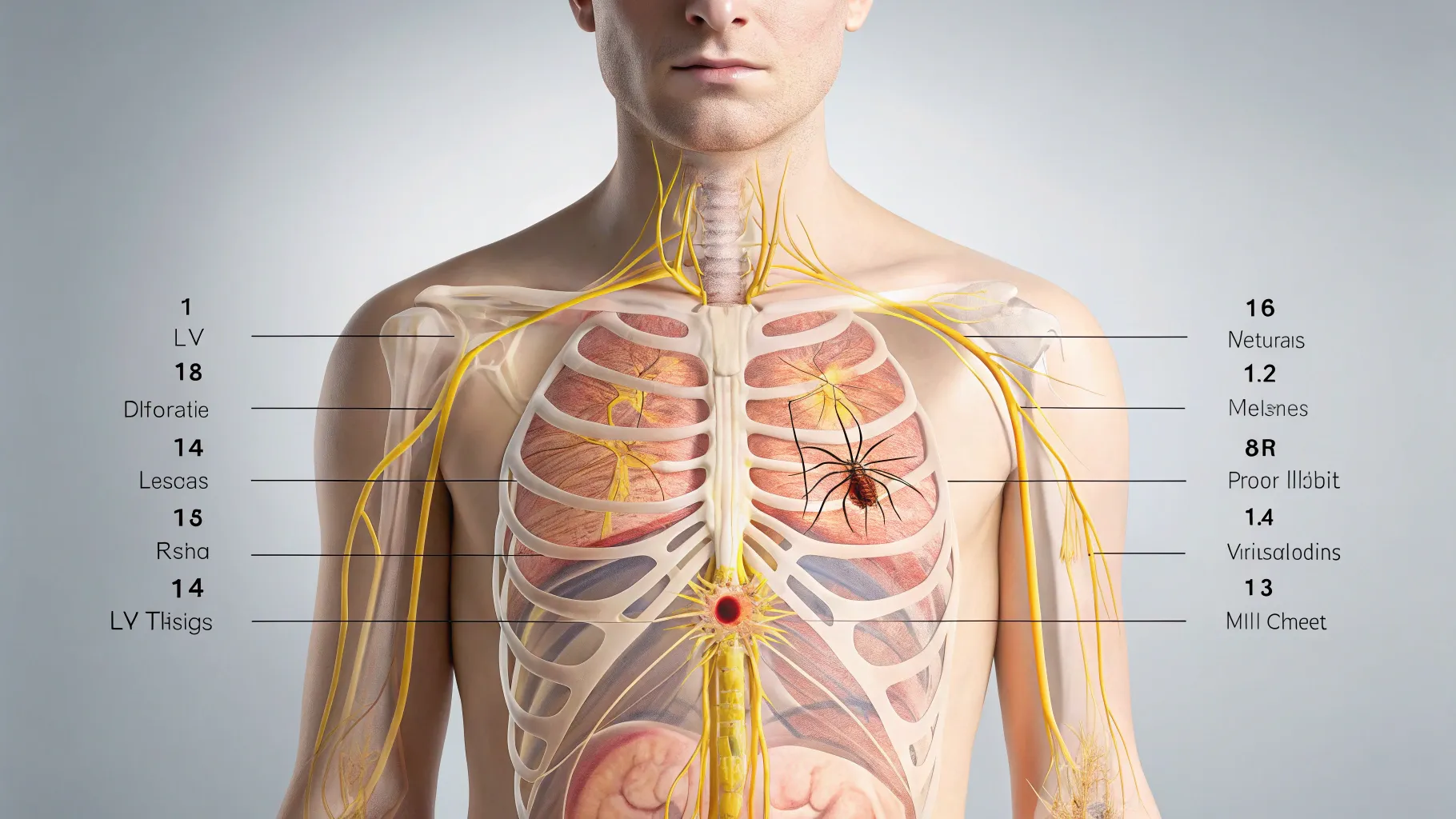
As liver function declines, more visible signs often begin to appear. These are among the most important liver cirrhosis early symptoms to identify. Jaundice, characterized by a yellowing of the skin and the whites of the eyes, is a classic sign. It occurs when the liver can no longer properly process bilirubin, a yellow pigment formed from the breakdown of red blood cells. Another tell-tale sign is the appearance of spider angiomas – small, spider-like capillaries that become visible just beneath the skin's surface, typically on the face, neck, and chest. Furthermore, you might notice that you bruise or bleed more easily. This is because a damaged liver produces fewer of the proteins necessary for blood clotting. If you see these changes, it is a critical time to recognize early symptoms of liver cirrhosis and consult a healthcare professional immediately.
Fluid Retention and Unexplained Weight Changes
A failing liver struggles to produce albumin, a protein that keeps fluid from leaking out of your blood vessels. When albumin levels drop, fluid can accumulate in various parts of the body. This condition, known as edema, often manifests as swelling in the legs, ankles, and feet. A more severe form of fluid retention is ascites, where fluid builds up in the abdominal cavity, causing a swollen, distended belly and a feeling of fullness or discomfort. This fluid retention can mask the weight loss caused by muscle wasting and poor appetite, making your overall weight seem stable or even increase. Understanding these complex changes is vital if you want to recognize early symptoms of liver cirrhosis and understand their underlying causes.
What to Do If You Suspect Liver Cirrhosis Early Symptoms
Recognizing the signs is the first step, but taking action is what truly matters. If you suspect you have any liver cirrhosis early symptoms, it is imperative to seek medical advice without delay. Do not try to self-diagnose or wait for the symptoms to worsen. Here are the actionable steps you should take:
- Consult a Healthcare Provider: Schedule an appointment with your doctor or a gastroenterologist. Be prepared to discuss your symptoms, medical history, alcohol consumption, and any medications you are taking in detail. This conversation is the foundation for a correct diagnosis.
- Undergo Diagnostic Testing: Your doctor will likely order a series of tests to assess your liver function. These typically include blood tests (liver function panel), which measure enzymes, proteins, and bilirubin levels. Imaging tests such as an ultrasound, CT scan, or MRI may also be used to visualize the liver's structure and identify scarring.
- Discuss Lifestyle Modifications: If liver damage is detected, immediate lifestyle changes are crucial to prevent further harm. This almost always includes complete cessation of alcohol consumption, adopting a low-sodium diet to manage fluid retention, and potentially losing weight if obesity is a contributing factor.
- Follow a Treatment Plan: Depending on the cause and stage of cirrhosis, your doctor will create a specific treatment plan. This could involve medications to manage symptoms, treat underlying causes like hepatitis, or prevent complications. Adherence to this plan is key to managing your condition.
Frequently Asked Questions
Can liver cirrhosis early symptoms be reversed?
While the scar tissue (fibrosis) characteristic of cirrhosis is generally considered permanent, early detection and treatment can stop further damage. By managing the underlying cause, the liver's remaining healthy tissue can continue to function, and some inflammation may subside. The key is to intervene before complications arise, which is why it's so important to recognize early symptoms of liver cirrhosis.
How quickly do the early symptoms of liver cirrhosis progress?
The rate of progression varies significantly from person to person. It depends on the underlying cause (e.g., alcohol abuse, viral hepatitis, fatty liver disease), genetic factors, and overall health. For some, the progression can be slow over decades, while for others, it can be much more rapid. Consistent medical monitoring is essential to track the disease's progression.
What is the first step if I think I recognize early symptoms of liver cirrhosis?
The absolute first step is to make an appointment with a doctor. Do not ignore persistent symptoms like unusual fatigue, nausea, abdominal discomfort, or any changes in your skin. An early and accurate diagnosis provides the best possible chance for effective management and a better long-term prognosis.
References
- American Liver Foundation guidelines on cirrhosis.
- National Institute of Diabetes and Digestive and Kidney Diseases (NIDDK) publications.
- Clinical studies published in peer-reviewed hepatology journals.
- World Health Organization (WHO) reports on chronic liver disease.