
A Comprehensive Guide to Lyme Disease Early Symptoms
Facts:
- Lyme disease is caused by Borrelia burgdorferi bacteria.
- Tick-borne illnesses are increasingly common in suburban areas.
Identifying the First Signs: What to Look For After a Tick Bite
Recognizing the initial signs of Lyme disease is absolutely critical for prompt treatment and preventing long-term complications. Many people miss these first indicators because they can be subtle or mimic other common illnesses. The period after a tick bite is a crucial window for observation. Understanding how to recognize early symptoms of lyme disease can make all the difference in your health outcome. The infection typically begins to manifest within 3 to 30 days after being bitten by an infected black-legged tick. While the classic bull's-eye rash is the most famous sign, it doesn't appear in every case, making it essential to be aware of the full spectrum of lyme disease early symptoms to ensure you seek timely medical advice.
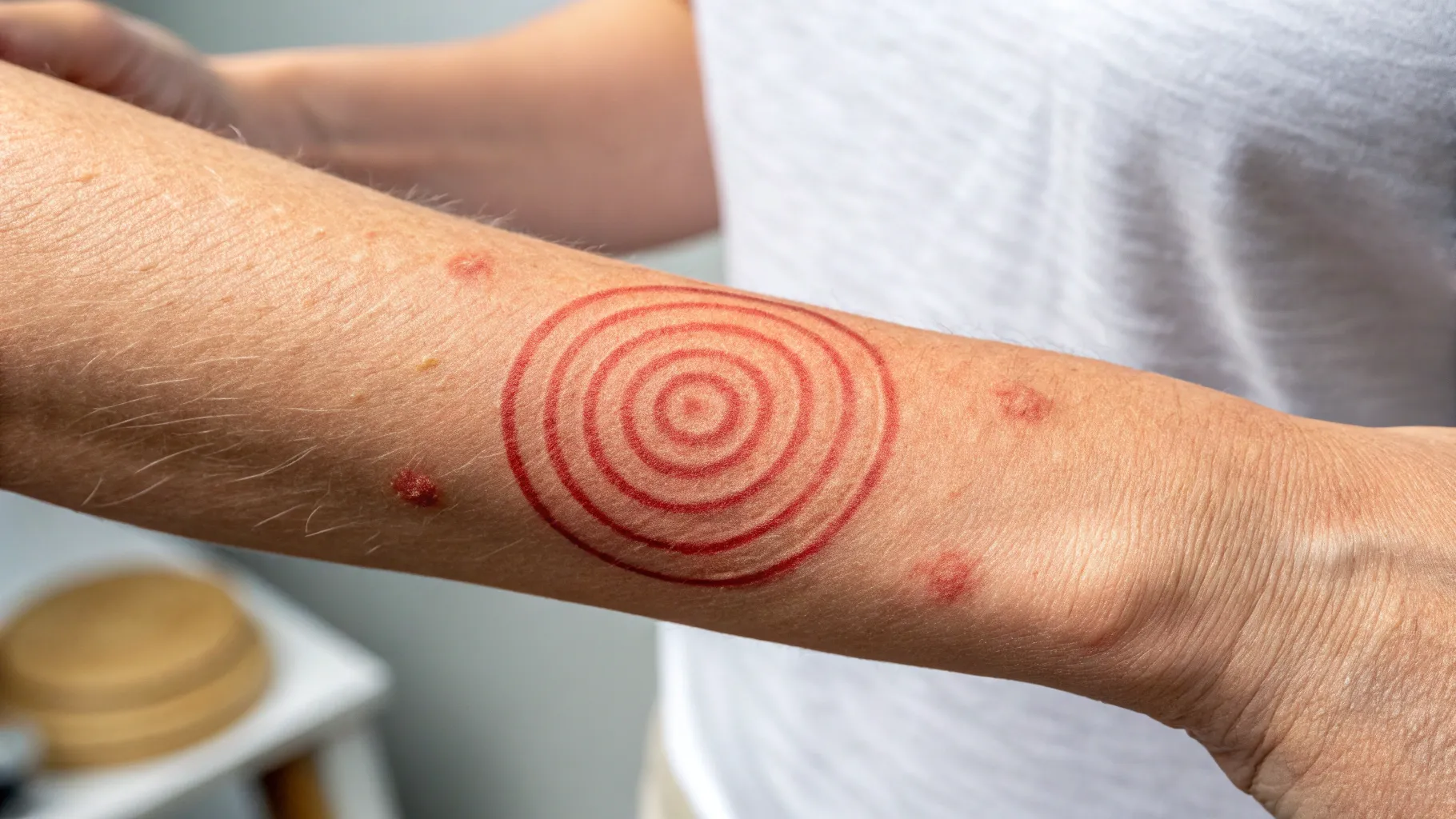
The Telltale Rash: Erythema Migrans Explained
The most distinctive of all lyme disease early symptoms is the erythema migrans (EM) rash. Often described as a 'bull's-eye' due to its appearance with a central red spot surrounded by a clear area and then an expanding red ring, this rash is a strong indicator of infection. However, it's a common misconception that the rash always looks like a perfect target. It can present as a solid red, expanding patch, or even have a bluish hue in the center. It typically appears at the site of the tick bite within a week or two, but can take up to 30 days. The rash is usually not painful or itchy, which can lead people to overlook it. Being able to recognize early symptoms of lyme disease like this rash, in all its variations, is the first step toward a correct diagnosis. The rash will gradually expand over several days and can reach up to 12 inches (30 cm) or more in diameter.
Flu-Like Symptoms: When It's More Than Just a Cold
Beyond the characteristic rash, many individuals experience a range of systemic, flu-like symptoms. These are often the most confusing lyme disease early symptoms because they are so non-specific. You might experience fatigue, chills, fever, headache, muscle aches (myalgia), and joint pain (arthralgia). The fatigue can be profound and debilitating, far more intense than typical tiredness. The joint pain is often migratory, meaning it moves from one joint to another. For instance, your knee might hurt one day, and your shoulder the next. Because these symptoms overlap with so many other viral illnesses, it's easy to dismiss them. However, if these symptoms appear during tick season (typically spring and summer) or you know you've been in a tick-prone area, it is vital to recognize early symptoms of lyme disease and consider Lyme as a potential cause.
Neurological and Cognitive Signs in Early Lyme Disease
While often associated with later stages of the disease, some neurological symptoms can appear early on. These particular lyme disease early symptoms can be alarming and should prompt immediate medical consultation. One of the more common early neurological signs is a stiff neck and severe headache, which can indicate the beginnings of Lyme meningitis (inflammation of the membranes surrounding the brain). Another potential sign is Bell's palsy, which is a sudden weakness or paralysis of the muscles on one side of the face. Less dramatic but equally important are cognitive issues like difficulty concentrating, memory lapses, or a feeling of 'brain fog'. These symptoms occur when the Lyme bacteria affect the nervous system, and learning to recognize early symptoms of lyme disease that are neurological in nature is crucial for preventing more severe, long-term neurological damage.
Actionable Steps: When to Consult a Doctor
If you suspect you may be experiencing lyme disease early symptoms, taking swift action is paramount. Do not adopt a 'wait and see' approach, as early antibiotic treatment is highly effective. You should schedule an appointment with your healthcare provider immediately if you experience any of the following:
- You have found an attached tick on your body, especially if it was engorged, and you live in or have visited an area where Lyme disease is prevalent.
- You develop a rash, particularly one that is circular and expanding, within a month of a potential tick exposure. Remember, it does not have to be a perfect bull's-eye.
- You experience sudden, unexplained flu-like symptoms such as fever, severe headache, muscle pain, and overwhelming fatigue during warmer months.
- You develop facial drooping (Bell's palsy), heart palpitations, or dizziness, as these can be signs of a more disseminated infection that requires urgent care.
Differentiating Lyme Disease from Other Conditions
One of the greatest challenges is that many lyme disease early symptoms mimic other health issues. For example, the fatigue and body aches are often confused with chronic fatigue syndrome or fibromyalgia. The fever and chills can be mistaken for the seasonal flu or another viral infection. The key difference often lies in the combination of symptoms and the context. The presence of an expanding rash is the most definitive clue. If there's no rash, consider the timing (tick season), your geographic location, and any recent outdoor activities. To effectively recognize early symptoms of lyme disease, one must look at the complete clinical picture rather than a single symptom in isolation. Communicating your potential exposure to ticks with your doctor is essential for them to consider Lyme disease in their differential diagnosis.
Frequently Asked Questions
Do all people with Lyme disease get the bull's-eye rash?
No, not everyone does. While it's a classic sign, estimates suggest that 20-30% of people infected with Lyme disease never develop the erythema migrans rash. This is why it's so important to recognize early symptoms of lyme disease that go beyond the skin, such as flu-like symptoms and joint pain.
How soon after a tick bite do lyme disease early symptoms appear?
The onset of lyme disease early symptoms can vary. The rash typically appears between 3 and 30 days after the bite. Other symptoms like fever, chills, and muscle aches can also start within this timeframe. Promptly removing a tick can reduce the risk of transmission significantly.
Can lyme disease be diagnosed without a positive blood test?
Yes, especially in the early stages. Blood tests for Lyme disease detect antibodies, which can take several weeks for the body to develop. A doctor may diagnose and begin treatment based on your symptoms—especially the presence of a characteristic rash—and your history of likely exposure to ticks. This clinical diagnosis is crucial to recognize early symptoms of lyme disease and treat it before it progresses.
References
- Centers for Disease Control and Prevention (CDC): Lyme Disease Signs and Symptoms
- National Institute of Allergy and Infectious Diseases (NIAID): Lyme Disease Overview
- Johns Hopkins Lyme Disease Research Center: Symptoms of Early Lyme Disease
- Infectious Diseases Society of America (IDSA): Clinical Practice Guidelines