
Exploring Macular Degeneration Eye Drops: A Guide to AMD Treatment and Vision Health
Fast Facts:
- Macular degeneration affects millions globally, impacting central vision.
- New advancements in AMD treatment offer promising trends for early intervention and improved patient outcomes.
Understanding Macular Degeneration and the Role of Eye Drops
Age-related macular degeneration (AMD) is a progressive eye condition that can significantly impair central vision, making everyday tasks challenging. While injections have been the cornerstone for advanced wet AMD, the search for effective macular degeneration eye drops continues to be a critical area of research, particularly for the more common dry form. These drops aim to either slow disease progression, alleviate symptoms, or enhance overall retinal health, offering new hope in managing this debilitating condition.
The Science Behind Macular Degeneration Eye Drops
The development of macular degeneration eye drops involves complex pharmaceutical research, often targeting specific pathways implicated in AMD progression. These can include anti-inflammatory agents, antioxidants, neuroprotective compounds, or drugs designed to inhibit angiogenesis (the growth of abnormal blood vessels) in the case of wet AMD. For dry AMD, the focus is often on reducing oxidative stress and inflammation, and some emerging drops aim to clear drusen deposits or improve metabolic function within the retinal pigment epithelium. Researchers are exploring formulations that can penetrate the ocular surface effectively to deliver therapeutic agents directly to the retina, providing a non-invasive alternative or adjunct to current AMD treatment protocols. Each compound is rigorously tested for efficacy and safety, aiming to provide substantial benefits for patients.
Current and Emerging AMD Treatment Strategies
The landscape of AMD treatment is continuously evolving, with a growing emphasis on personalized medicine and earlier intervention. While current treatments for wet AMD primarily involve intravitreal injections, the prospect of topical macular degeneration eye drops offers a less invasive alternative that could revolutionize patient care. For dry AMD, which currently lacks a definitive pharmacological cure, research is heavily invested in finding effective drops that can truly slow its progression. This involves understanding the intricate cellular and molecular mechanisms driving the disease and developing compounds that can interrupt these processes before significant vision loss occurs. Comprehensive strategies often combine various approaches to optimize patient outcomes.
Addressing Dry Macular Degeneration with Eye Drops
Dry AMD accounts for the vast majority of cases and is characterized by the accumulation of drusen and atrophy of retinal cells, leading to gradual central vision loss prevention. While AREDS2 supplements are proven to reduce progression in intermediate dry AMD, the development of specific dry AMD eye drops is a significant area of active research. These experimental drops are designed to target various aspects of dry AMD pathogenesis, such as reducing oxidative stress, mitigating inflammation, or improving the metabolic health of the retinal pigment epithelium. Some formulations aim to dissolve drusen or prevent their formation, while others focus on neuroprotection for retinal cells. Success in this area could offer a readily accessible and non-invasive option for millions.
Innovations in Wet Macular Degeneration Therapy
Wet AMD, though less common, is responsible for the most severe and rapid vision loss due to abnormal blood vessel growth under the retina. While anti-VEGF injections remain the gold standard, innovation continues to explore longer-acting agents and less frequent dosing. The potential for macular degeneration eye drops in wet AMD primarily lies in adjunct therapy or for patients who struggle with injections. These experimental drops aim to inhibit VEGF (Vascular Endothelial Growth Factor) or target other growth factors involved in neovascularization. While challenges in ocular penetration for larger molecules persist, advancements in drug delivery systems are bringing topical anti-angiogenic approaches closer to clinical reality, enhancing the toolkit for vision loss prevention.
Supporting Retinal Health Beyond Prescriptions
Maintaining optimal retinal health is a multifaceted endeavor that extends beyond just prescription medications or eye drops. Lifestyle factors play a crucial role in managing AMD and supporting overall eye function. A diet rich in antioxidants, omega-3 fatty acids, and specific vitamins and minerals (such as those found in the AREDS2 formulation) can significantly impact the health of the macula. Incorporating leafy green vegetables, colorful fruits, fatty fish, and nuts is highly recommended. Furthermore, protection from harmful UV and blue light by wearing appropriate sunglasses, quitting smoking, and maintaining a healthy weight are all essential components of a holistic approach to preserving vision. Regular exercise and managing systemic conditions like high blood pressure and diabetes also contribute to better ocular health outcomes, complementing any AMD treatment regimen.
Navigating Your Options for Vision Loss Prevention
Understanding the array of options available for vision loss prevention in AMD requires careful consultation with an ophthalmologist. The choice of AMD treatment, whether it involves vitamins, injections, or potential future macular degeneration eye drops, depends on the type and stage of the disease, as well as individual patient factors. It is critical to discuss the benefits, risks, and realistic expectations for each therapeutic approach. Patients should also be proactive in monitoring their vision with an Amsler grid and attending regular eye examinations, as early detection and intervention are key to preserving sight. This collaborative approach between patient and doctor ensures that the most appropriate and effective strategies are employed to protect vision for as long as possible.
Practical Advice for Administering Macular Degeneration Eye Drops
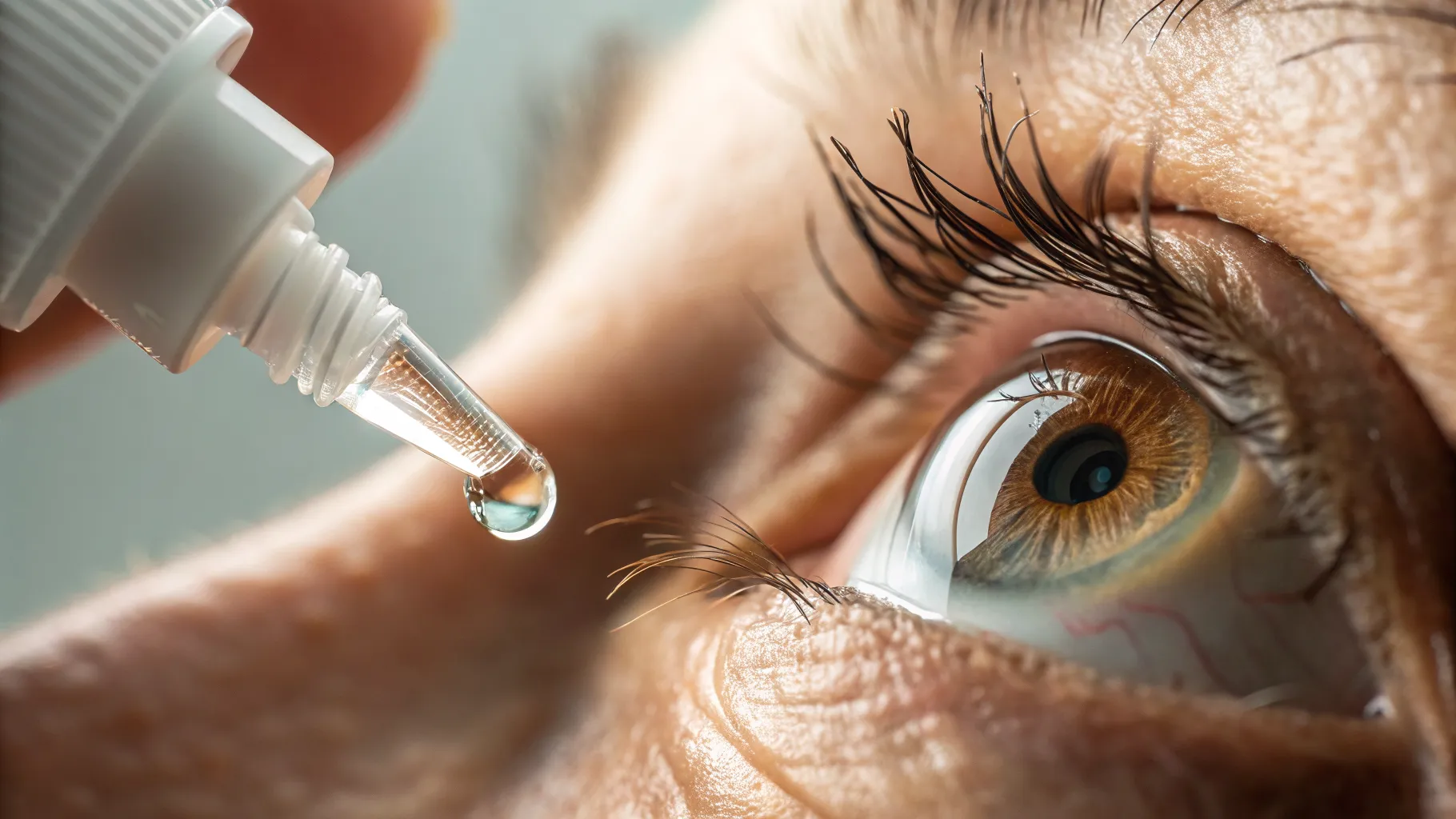
Proper administration of macular degeneration eye drops is crucial for their effectiveness. Patients must follow their doctor's instructions meticulously to ensure the medication reaches its intended target without contamination. This involves careful hand hygiene before and after application, proper positioning of the head, and gentle handling of the dropper to avoid touching the eye or other surfaces. Consistent use as prescribed, even if symptoms seem stable, is vital for long-term benefit. Understanding potential side effects and knowing when to contact your eye care professional are also important aspects of safe and effective drop use. Diligence and adherence to the regimen can significantly impact the success of the AMD treatment.
- Wash your hands thoroughly before touching the eye or dropper to prevent infection.
- Tilt your head back or lie down, and gently pull down your lower eyelid to create a small pocket.
- Hold the dropper directly over the eye without touching it and squeeze out one drop into the pocket.
- Close your eye gently for 1-2 minutes to allow the drop to absorb, avoiding blinking or squeezing.
- Apply pressure to the inner corner of your eye near the nose for a minute to prevent the drop from draining into your tear duct.
- If using multiple drops, wait at least 5-10 minutes between different medications to ensure each drop is fully absorbed.
- Store eye drops as instructed by your pharmacist or doctor, often in a cool, dry place.
Frequently Asked Questions
Are macular degeneration eye drops effective for all types of AMD?
Currently, specialized macular degeneration eye drops are primarily under development or in clinical trials, especially for dry AMD. For wet AMD, standard treatment involves injections, though some experimental drops are being explored as adjuncts or alternatives. The effectiveness largely depends on the specific formulation and the type and stage of AMD.
How do dry AMD eye drops differ from other treatments?
Dry AMD eye drops are designed to be a non-invasive, topical application. Unlike oral supplements, they deliver therapeutic agents directly to the eye. Compared to injections for wet AMD, they aim to offer a more convenient and less invasive treatment method, specifically targeting the pathogenesis of dry AMD which often involves inflammation and oxidative stress.
What role does diet play in supporting retinal health alongside eye drops?
Diet plays a crucial role in supporting retinal health. A diet rich in antioxidants (lutein, zeaxanthin), omega-3 fatty acids, and vitamins can help protect the macula from damage. While eye drops deliver targeted compounds, a healthy diet provides foundational support and complements any medical AMD treatment by reducing overall oxidative stress and inflammation in the body.
Can AMD treatment with eye drops truly prevent vision loss?
The goal of any AMD treatment, including the development of eye drops, is to slow progression and prevent further vision loss, or in some cases, even improve vision. While a complete cure is not yet available, effective eye drops could significantly contribute to vision loss prevention by intervening in disease mechanisms, preserving retinal function, and improving quality of life for patients.
References
- National Eye Institute. Age-Related Macular Degeneration.
- American Academy of Ophthalmology. Macular Degeneration.
- Clinical Trials.gov. Studies on Topical Agents for Macular Degeneration.