
A Comprehensive Guide to Managing Anxiety in Seniors
Facts:
- Anxiety disorders affect up to 15% of older adults globally.
- A key trend for managing anxiety in seniors is integrated mind-body therapies.
Understanding the Unique Triggers for Anxiety in Seniors
As we age, life presents a new set of transitions, from retirement and health challenges to changes in social circles. These shifts can often become significant sources of stress, making the topic of managing anxiety in seniors a critical area of focus for families, caregivers, and healthcare providers. Unlike anxiety in younger populations, it can manifest subtly and be mistaken for other medical conditions. Understanding the specific triggers, such as fear of falling, chronic illness, or loss of independence, is the foundational step toward providing meaningful support and implementing effective coping strategies. This guide offers a deep dive into practical methods for managing anxiety in seniors, aiming to enhance their well-being and restore a sense of calm and security in their daily lives.
Recognizing the Subtle Signs of Anxiety in Older Adults
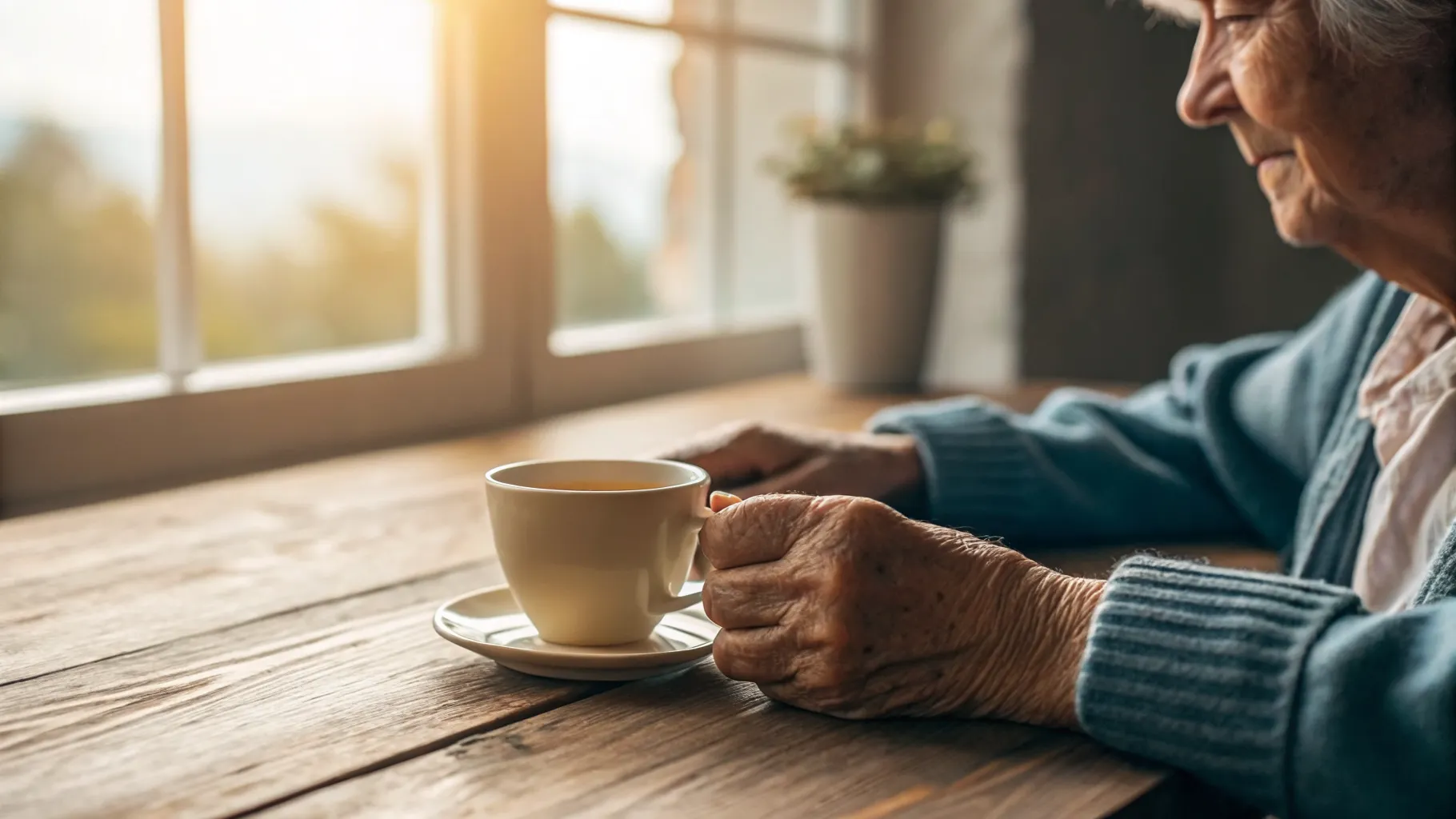
Identifying anxiety in seniors requires a keen eye, as its symptoms can be less obvious than in other age groups. Physically, it may present as unexplained aches and pains, a racing heart, shortness of breath, or digestive issues. Emotionally and behaviorally, the signs can include increased irritability, social withdrawal, hoarding, or an unwillingness to try new things or leave the house. These symptoms are frequently attributed to the aging process itself or other health conditions, which is why a focused approach to managing anxiety in seniors must begin with accurate identification. Caregivers should pay close attention to changes in routine or mood and consider anxiety as a potential underlying cause, rather than dismissing these signs as simply a part of getting older.
Proven Lifestyle Strategies for Managing Anxiety in Seniors
Lifestyle adjustments play a monumental role in creating a stable and calming foundation for older adults. A structured yet flexible daily routine can provide a powerful sense of predictability and control, which directly counters the feelings of uncertainty that fuel anxiety. Incorporating gentle, consistent physical activity is another cornerstone of managing anxiety in seniors. Activities like daily walks, chair yoga, or gardening not only improve physical health but also trigger the release of endorphins, the body's natural mood elevators. Nutrition is also key; a diet rich in whole foods, omega-3 fatty acids, and magnesium can support brain health, while limiting caffeine, alcohol, and processed sugars can prevent the spikes and crashes that exacerbate anxiety symptoms. These proactive, daily habits empower seniors and give them tools to self-regulate.
The Importance of Social Connection and Mental Engagement
Loneliness and isolation are significant contributors to mental health decline in the elderly. Fostering strong social connections is therefore a non-negotiable aspect of managing anxiety in seniors. Regular interaction with family, friends, and community members provides emotional support, reduces feelings of isolation, and reinforces a sense of belonging and purpose. This can be achieved through scheduled visits, phone calls, or participation in local senior center activities, book clubs, or volunteer groups. Alongside social engagement, keeping the mind active is crucial. Hobbies like puzzles, reading, learning a new skill, or playing a musical instrument can provide a healthy distraction from anxious thoughts and promote cognitive health, contributing to overall resilience and well-being.
When to Seek Professional Help for Geriatric Anxiety
While lifestyle changes are incredibly effective, there are times when professional intervention is necessary for successfully managing anxiety in seniors. It is vital to destigmatize seeking help. Therapy, particularly Cognitive Behavioral Therapy (CBT), has been shown to be highly effective in helping older adults identify and reframe negative thought patterns. A therapist specializing in geriatrics can provide tools and strategies tailored to the unique challenges of aging. In some cases, a physician may recommend medication to help manage severe symptoms, often used in conjunction with therapy. The decision to seek professional help is a proactive and courageous step toward ensuring the best possible quality of life and is a sign of strength, not weakness.
Creating a Safe and Calming Home Environment
The physical environment can have a profound impact on an individual's mental state. For an older adult, a cluttered, unsafe, or overly stimulating home can be a constant source of underlying stress. A key component of managing anxiety in seniors is to cultivate a space that promotes peace and security. This involves practical steps such as decluttering walkways to reduce the fear of falling, ensuring adequate lighting to lessen disorientation, and organizing living spaces to make them easy to navigate. Introducing calming elements like comfortable seating, soft blankets, familiar photographs, and even indoor plants can transform a house into a sanctuary. Reducing loud noises and creating a quiet corner for relaxation can also provide a much-needed retreat from overwhelming stimuli.
Frequently Asked Questions
What is the most common cause of anxiety in the elderly?
The most common triggers include chronic health problems, grief from the loss of a spouse or friends, financial instability, and fear of losing independence. Effective managing anxiety in seniors involves compassionately addressing these very real and valid concerns.
Can diet really make a difference in managing anxiety in seniors?
Absolutely. A balanced diet supports stable blood sugar and provides essential nutrients for brain function. Foods rich in magnesium, zinc, and B vitamins can have a calming effect. A proper diet is a practical and powerful tool for managing anxiety in seniors.
How can I start a conversation about anxiety with an older loved one?
Approach the subject gently and from a place of concern. Use 'I' statements, such as, 'I've noticed you seem more worried lately, and I care about you.' Offer to listen without judgment and suggest exploring solutions together. This supportive approach is vital for managing anxiety in seniors.
References
- National Institute on Aging publications on late-life anxiety.
- American Association for Geriatric Psychiatry clinical practice guidelines.
- Journal of Clinical Psychology studies on CBT in older adults.
- World Health Organization reports on aging and mental health.