
A Comprehensive Guide to Managing Diabetes After 60
Facts:
- Over 25% of adults aged 65 and older have diabetes.
- A growing trend for managing diabetes after 60 involves using continuous glucose monitors (CGMs).
Navigating Blood Sugar Control in Your Golden Years
Entering your 60s and beyond brings new perspectives on health and wellness, and for many, this includes a focused approach to chronic conditions. Successfully managing diabetes after 60 is not just about controlling blood sugar; it's about maintaining a high quality of life, preventing complications, and feeling empowered in your daily health choices. This journey requires a tailored strategy that considers age-related changes in the body, lifestyle adjustments, and the latest medical advancements. Understanding the unique aspects of managing diabetes after 60 is the first and most crucial step towards thriving in your golden years with this condition.
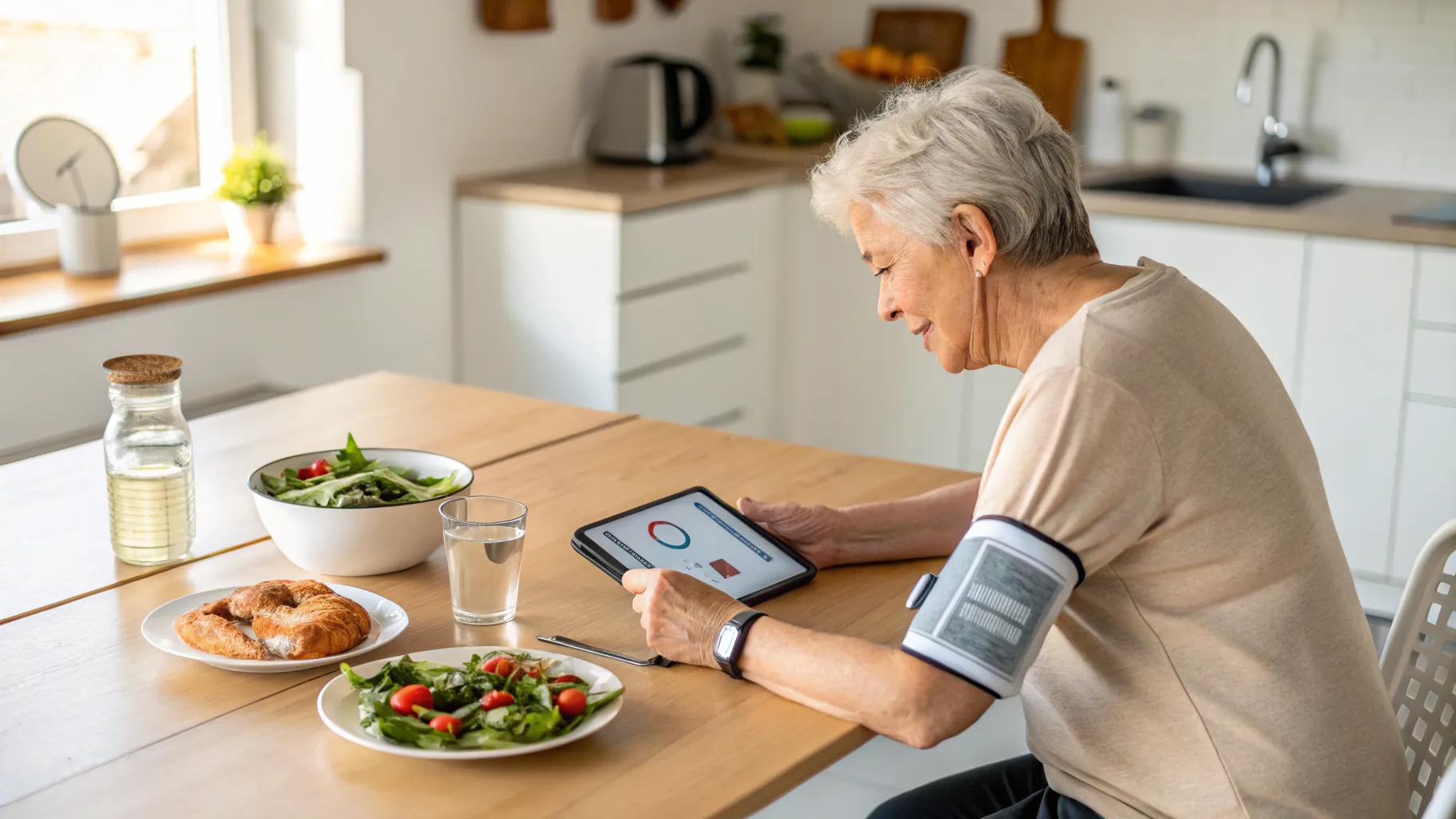
The Unique Challenges of Diabetes Management Over 60
As we age, our bodies undergo physiological changes that can complicate diabetes care. Metabolism tends to slow down, body composition shifts, and the risk of other health conditions, known as comorbidities, increases. These factors can directly impact blood glucose levels and how the body responds to insulin and oral medications. For instance, decreased kidney function, a common issue in older adults, can affect how diabetes medications are processed. Furthermore, cognitive changes or vision impairment can make tasks like reading glucose meters or administering insulin more challenging. Acknowledging these potential hurdles is fundamental to creating a safe and effective plan for managing diabetes after 60, often requiring closer collaboration with a healthcare team to adjust treatments and support systems accordingly.
Foundational Pillars of Dietary Management
Nutrition is arguably the most powerful tool for managing diabetes after 60. A well-structured diet can help stabilize blood sugar levels, maintain a healthy weight, and reduce the risk of cardiovascular complications. The focus should be on nutrient-dense, whole foods. This includes a diet rich in fiber from vegetables, fruits, and whole grains, which helps slow sugar absorption. Lean proteins from sources like fish, poultry, and legumes are essential for muscle maintenance, which is vital for older adults. Healthy fats, found in avocados, nuts, and olive oil, can improve heart health. Portion control is also critical. It’s not just what you eat, but how much. Working with a registered dietitian can be invaluable in creating a personalized meal plan that accommodates your nutritional needs, food preferences, and the specific demands of managing diabetes after 60.
Incorporating Safe and Effective Physical Activity
Regular physical activity is another cornerstone of effective diabetes management, but it must be approached with safety in mind for individuals over 60. Exercise helps improve insulin sensitivity, meaning your body can use glucose more effectively. It also aids in weight management, strengthens bones and muscles, and boosts mental well-being. The key is finding activities you enjoy and that are appropriate for your fitness level. Options like walking, swimming, water aerobics, and chair yoga are excellent low-impact choices. Strength training with light weights or resistance bands is also important for preserving muscle mass. Before starting any new exercise regimen, it is crucial to consult with a doctor. They can help you create a plan that aligns with your overall health, minimizing risks like hypoglycemia or injury, which is a key consideration in managing diabetes after 60.
Medication and Monitoring: A Modern Approach
Medical oversight is non-negotiable when managing diabetes after 60. Regular monitoring and adherence to prescribed medications are essential for preventing dangerous fluctuations in blood sugar. Your healthcare provider will tailor your medication plan, which may include oral agents, insulin, or other injectables, based on your specific needs and health profile. Technology has also provided powerful new tools.
- Continuous Glucose Monitors (CGMs): These devices provide real-time glucose readings throughout the day and night, offering a comprehensive view of your blood sugar trends without the need for constant finger pricks. This data is invaluable for making timely adjustments to diet, activity, and medication.
- Modern Insulin Pumps: For those on insulin, modern pumps can offer more precise dosing and can be integrated with CGMs to create a semi-automated system, reducing the burden of daily management.
- Regular Check-ups: Frequent visits with your endocrinologist, primary care physician, podiatrist, and ophthalmologist are critical for early detection and management of potential complications related to the feet, eyes, kidneys, and heart.
Mental and Emotional Well-being in Diabetes Care
The daily demands of managing diabetes after 60 can take a toll on mental and emotional health. The stress of constant monitoring, dietary restrictions, and worry about complications can lead to feelings of anxiety, frustration, or even depression, often referred to as 'diabetes distress'. It is vital to address these feelings. Building a strong support system of family, friends, and healthcare providers is crucial. Joining a support group, either in person or online, can connect you with others who understand your challenges. Practicing mindfulness, meditation, or engaging in hobbies you love can also provide significant stress relief. Never hesitate to speak with a mental health professional if you feel overwhelmed; your emotional well-being is just as important as your physical health in successfully managing diabetes after 60.
Frequently Asked Questions
How often should I check my blood sugar when managing diabetes after 60?
The frequency of blood sugar monitoring varies greatly depending on your treatment plan, type of diabetes, and overall health. Your doctor will provide a specific schedule. Those on insulin may need to check multiple times a day, while others on oral medication might check less frequently. Using a CGM can reduce or eliminate the need for routine finger sticks.
What are the best exercises for managing diabetes after 60?
The best exercises are safe, enjoyable, and sustainable. A combination of aerobic activity like brisk walking or swimming, and strength training using light weights or resistance bands is ideal. Always consult your healthcare provider before beginning a new fitness program to ensure it's safe for you.
Can my diet for managing diabetes after 60 still be enjoyable?
Absolutely. A diabetes-friendly diet does not have to be bland or restrictive. By focusing on whole foods, lean proteins, healthy fats, and complex carbohydrates, you can create delicious and satisfying meals. Working with a dietitian can help you discover new recipes and strategies to enjoy your food while managing your blood sugar effectively.
References
- American Diabetes Association - Standards of Medical Care in Diabetes
- National Institute on Aging - Diabetes in Older People
- Centers for Disease Control and Prevention - Diabetes and Older Adults