
Managing High Blood Pressure in Older Adults: A Comprehensive Guide
Facts:
- Nearly 70% of adults aged 65+ have hypertension.
- Lifestyle changes are crucial for managing High Blood Pressure in Older Adults.
Understanding Hypertension: The Silent Threat to Seniors
As we age, our bodies undergo numerous changes, and the cardiovascular system is no exception. One of the most significant health concerns that arises with age is hypertension, more commonly known as high blood pressure. This condition is particularly prevalent and poses a substantial risk, making the management of High Blood Pressure in Older Adults a critical aspect of geriatric care. It is often called the 'silent killer' because it typically presents with no obvious symptoms, yet it quietly damages blood vessels and increases the risk for life-threatening events like heart attacks and strokes. Understanding the unique challenges and management strategies for this demographic is the first step toward promoting longevity and a higher quality of life for our senior population.
Common Causes and Risk Factors for High Blood Pressure in Older Adults
The prevalence of High Blood Pressure in Older Adults can be attributed to a combination of physiological changes and cumulative lifestyle factors. With age, arteries naturally tend to stiffen and become less flexible, a condition known as arteriosclerosis. This forces the heart to pump harder to circulate blood, leading to elevated pressure. Beyond natural aging, several risk factors significantly contribute to the development of hypertension. A lifetime of dietary habits, particularly high sodium intake, plays a monumental role. Lack of physical activity, chronic stress, obesity, and excessive alcohol consumption are also major contributors. Furthermore, underlying health conditions such as kidney disease, diabetes, and sleep apnea can exacerbate or directly cause High Blood Pressure in Older Adults. Genetic predisposition also means that individuals with a family history of hypertension are at a greater risk and should be particularly vigilant about monitoring and prevention.
Recognizing Symptoms and Potential Complications
One of the most dangerous aspects of High Blood Pressure in Older Adults is its asymptomatic nature. Most individuals feel perfectly fine, unaware of the internal damage being done. However, in cases of a hypertensive crisis (dangerously high levels), some symptoms may emerge, including severe headaches, shortness of breath, nosebleeds, or dizziness. Relying on these symptoms is not a viable strategy for management. The real danger lies in the long-term, unmanaged complications. Chronic high blood pressure puts excessive strain on the heart, leading to an enlarged heart muscle and increasing the risk of heart failure. It also damages the delicate arteries supplying blood to the brain, significantly raising the risk of ischemic and hemorrhagic strokes. Other serious complications include vision loss due to damage to blood vessels in the eyes (hypertensive retinopathy), kidney failure, and cognitive decline or dementia.
Effective Management and Treatment Strategies
Managing High Blood Pressure in Older Adults requires a multi-faceted approach that combines lifestyle modifications with medical treatment. A healthcare provider will create a personalized plan, but the core strategies are broadly applicable. It is essential for seniors and their caregivers to work collaboratively with medical professionals to control blood pressure and mitigate risks. Key strategies include:
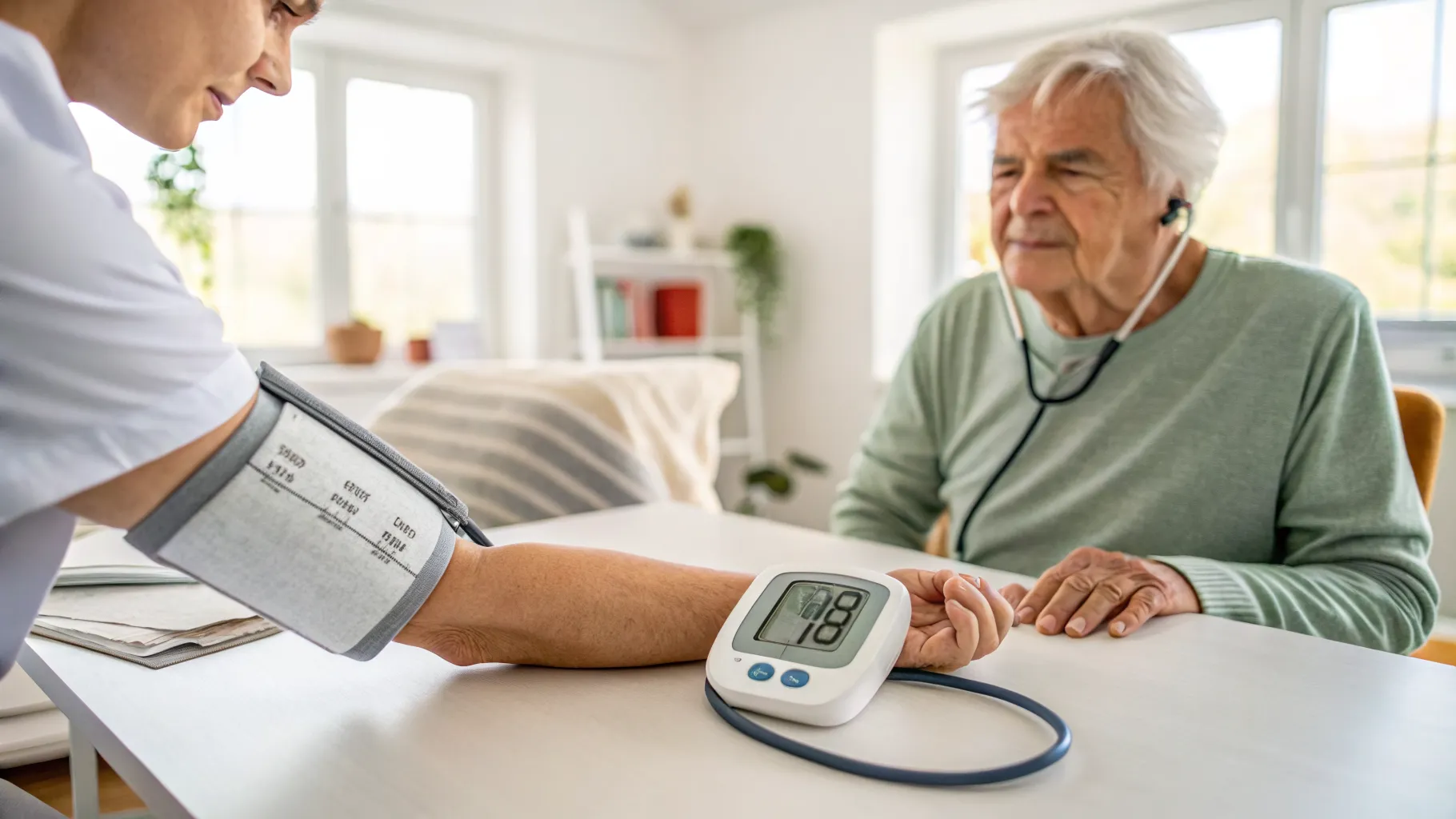
- Regular Monitoring: Consistent blood pressure monitoring at home provides valuable data for doctors to adjust treatment plans. It empowers patients to see the direct impact of their lifestyle choices and medication adherence.
- Medication Adherence: Doctors may prescribe various medications, such as diuretics, ACE inhibitors, or beta-blockers. It is crucial to take these medications exactly as prescribed and not to stop them without consulting a doctor, even if blood pressure readings improve.
- Dietary Adjustments: Adopting a heart-healthy diet, such as the DASH (Dietary Approaches to Stop Hypertension) diet, is fundamental. This involves reducing sodium intake, increasing potassium, and focusing on fruits, vegetables, whole grains, and lean proteins.
- Physical Activity: Engaging in regular, moderate-intensity exercise, as approved by a doctor, can significantly lower blood pressure. Activities like walking, swimming, or cycling help strengthen the heart and improve circulation.
The Role of Diet: What to Eat and What to Avoid
Dietary choices have a profound impact on High Blood Pressure in Older Adults. The primary goal is to reduce sodium intake, as sodium causes the body to retain fluid, which increases blood volume and pressure. Processed foods, canned soups, frozen dinners, and cured meats are often laden with hidden sodium and should be limited. Instead, focus should be on whole, unprocessed foods. Increasing potassium intake through foods like bananas, spinach, sweet potatoes, and avocados can help counteract sodium's effects. A diet rich in fiber from whole grains, legumes, and vegetables also supports cardiovascular health. Limiting saturated and trans fats found in red meat and processed baked goods is also important for preventing arterial plaque buildup, which can worsen hypertension. Hydration is key, but it's best to choose water over sugary drinks and limit alcohol and caffeine consumption.
FAQ: Frequently Asked Questions
What is considered dangerously high blood pressure in older adults?
While target blood pressure can vary based on individual health, a reading of 180/120 mm Hg or higher constitutes a hypertensive crisis, which requires immediate medical attention. For routine management, doctors often aim for readings below 130/80 mm Hg for many seniors, but the goal is always personalized.
Can high blood pressure in older adults be reversed?
While the physiological changes that contribute to hypertension cannot be reversed, blood pressure can be effectively managed and lowered into a healthy range. Through consistent lifestyle changes including diet, exercise, and stress management, alongside medication if needed, individuals can control their High Blood Pressure in Older Adults and significantly reduce their risk of complications.
How often should an older adult check their blood pressure?
An older adult diagnosed with hypertension should follow their doctor's recommendation. This often involves daily home monitoring, especially when starting a new treatment. Those with controlled blood pressure or at risk may need to check it less frequently, but regular check-ups at the doctor's office remain essential.
References
- American Heart Association (AHA) Guidelines
- National Institute on Aging (NIA) - High Blood Pressure
- Centers for Disease Control and Prevention (CDC) - Hypertension Facts
- The DASH Diet Eating Plan - National Heart, Lung, and Blood Institute (NHLBI)