
Recognizing Mesothelioma: Early Respiratory Symptoms and Long-Term Risks
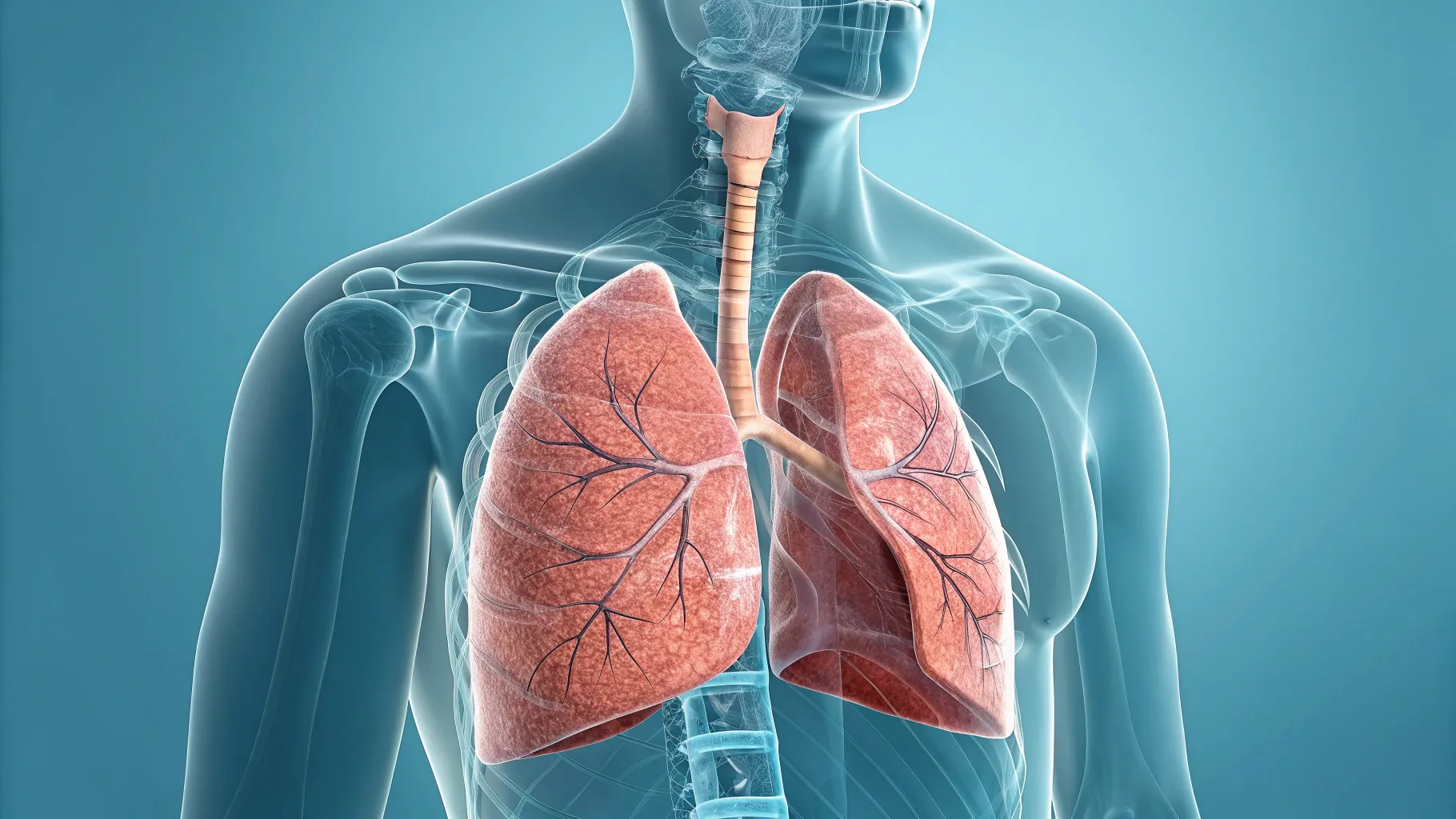
Mesothelioma is a rare and aggressive cancer primarily caused by inhaling asbestos fibers. These fibers can become lodged in the lining of the lungs, abdomen, or heart, leading to the development of tumors decades later. Understanding the symptoms is crucial for early diagnosis and management, especially for individuals with a history of asbestos exposure. The signs can be subtle at first, often mimicking less severe respiratory conditions.
Understanding the Long-Term Exposure Risks
One of the most challenging aspects of mesothelioma is its long latency period. Symptoms typically do not appear until 20 to 60 years after the initial asbestos exposure. This delay means that many individuals are diagnosed at an advanced stage. The long term exposure risks are not limited to the duration or intensity of the exposure; even minimal contact with asbestos can pose a significant threat over time. This underscores the importance of monitoring for any potential signs if you have a known history of working in industries like construction, shipbuilding, or manufacturing where asbestos was common.
Early Respiratory Symptoms to Watch For
The initial signs of pleural mesothelioma, the most common form affecting the lining of the lungs, are often respiratory in nature. These early respiratory symptoms can be easily overlooked but are critical indicators. Being vigilant about these changes can prompt a much-needed medical consultation.
- Shortness of breath (dyspnea): This is often the first and most common symptom, which may initially occur only with exertion but can progress to happening even at rest.
- Hoarseness or wheezing: Changes in your voice or breathing sounds can indicate pressure on the airways.
- Difficulty swallowing (dysphagia): This may feel like food is getting stuck in your throat or chest.
The Significance of a Persistent Cough
While many conditions can cause a cough, a persistent cough that is dry and does not resolve over several weeks is a notable red flag for mesothelioma. Unlike a cough associated with a cold or the flu, this type of cough lingers and may worsen over time. In some cases, individuals may cough up blood (hemoptysis), which is a serious symptom that requires immediate medical attention. Do not dismiss a chronic cough, especially if you have risk factors for asbestos exposure.
Identifying Chest Discomfort and Pain
As the tumor grows on the lining of the lung (the pleura), it can cause significant chest discomfort and pain. This pain is often described as a dull, aching sensation under the rib cage. It can be persistent and may be worsened by deep breathing or coughing. The location of the pain can be on one side of the chest and may sometimes radiate to the shoulder or back. This discomfort is a direct result of the tumor invading the chest wall and putting pressure on nerves and surrounding structures.
Fluid Buildup Indicators
A hallmark of pleural mesothelioma is the accumulation of fluid in the chest cavity, a condition known as pleural effusion. The body's reaction to the tumor causes excess fluid to be produced, which then gets trapped between the two layers of the pleura. Key fluid buildup indicators include worsening shortness of breath, a feeling of heaviness in the chest, and a non-productive cough. Similarly, peritoneal mesothelioma (affecting the abdominal lining) can cause fluid buildup in the abdomen, leading to swelling, abdominal pain, and changes in bowel habits. Recognizing these signs is essential for diagnosis, as draining the fluid can both relieve symptoms and provide a sample for testing.
References:
Mayo Clinic. (2025). Mesothelioma - Symptoms and causes. mayoclinic.org
American Cancer Society. (2025). Signs and Symptoms of Mesothelioma. cancer.org
National Cancer Institute. (2025). Mesothelioma—Patient Version. cancer.gov