
Migraine Massages: A Guide to Effective Non-Drug Relief
Facts:
- Massage can significantly reduce cortisol, the body's stress hormone.
- A growing trend for migraine sufferers is seeking non-pharmacological therapies.
Unlocking Relief: How Migraine Massages Target Pain at its Source
For millions suffering from the debilitating pain of migraines, finding effective and lasting relief can feel like an endless battle. While medication is a common route, many are turning towards holistic approaches for sustainable management. Among the most effective are specialized migraine massages, a targeted therapeutic approach that addresses the root causes of migraine pain, such as muscle tension, stress, and poor circulation. This practice is a cornerstone of non drug migraine relief methods, offering a way to manage symptoms without the side effects associated with some medications. Understanding how massage therapy and migraines are interconnected is the first step toward reclaiming control from chronic headache pain.
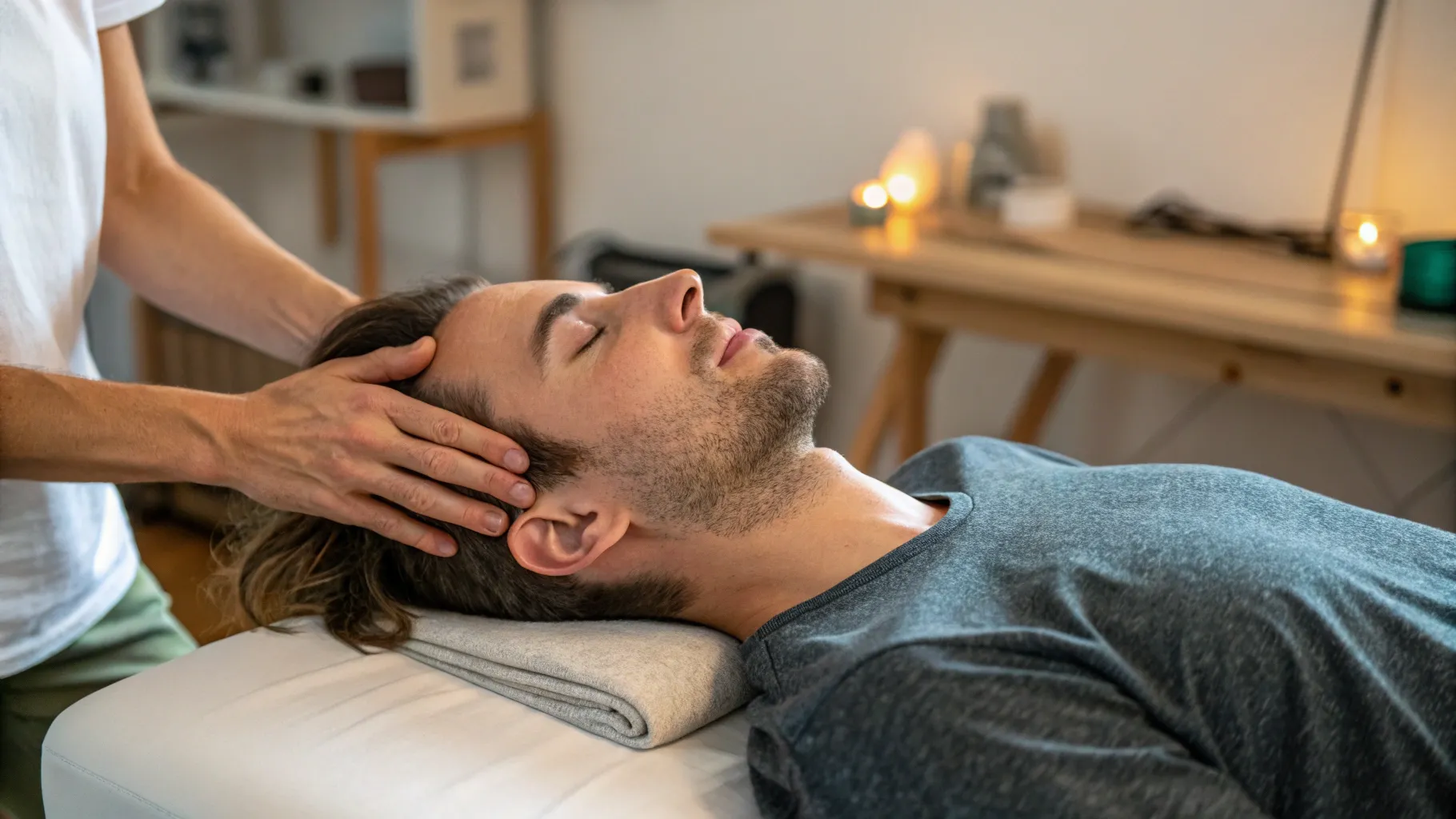
The Science: How Massage Helps Migraine Relief
The effectiveness of migraine massages isn't just anecdotal; it's backed by physiological science. When you experience a migraine, your body is in a state of high stress. Massage therapy works to counteract this by promoting relaxation and reducing physical and emotional tension. Specifically, how massage helps migraine relief can be broken down into several key mechanisms. Firstly, it helps to increase blood flow to the brain, which can alleviate the vascular constriction often associated with migraines. Secondly, massage stimulates the release of serotonin, a neurotransmitter that not only promotes feelings of well-being but also helps the body's nervous system manage pain. By reducing muscle tension in the neck, shoulders, and scalp—common trigger areas for migraine sufferers—massage directly eases the physical stressors that can initiate or worsen a migraine attack.
Core Massage Techniques for Migraines
Not all massages are created equal when it comes to migraine relief. A trained therapist will employ specific massage techniques for migraines that are designed to target trigger points and release deep-seated tension. One of the most common is Trigger Point Therapy, which involves applying sustained pressure to specific knots of tight muscle fibers that can refer pain to the head. Another effective method is Myofascial Release, a technique that focuses on stretching and loosening the connective tissue (fascia) surrounding muscles. Cranial Sacral Therapy is a gentler approach that involves light touch to manipulate the synarthrodial joints of the cranium, aiming to regulate the flow of cerebrospinal fluid. Each of these techniques addresses the complex network of muscles and nerves involved in migraine pain, making them integral to comprehensive massage therapy and migraines treatment plans.
Identifying Key Pressure Points for Headaches
Acupressure, an ancient healing art, is often integrated into migraine massages. This practice focuses on stimulating specific pressure points for headaches to release blocked energy and promote healing. A therapist knowledgeable in this area can significantly enhance the effectiveness of a session. Some of the most crucial pressure points include Union Valley (LI4), located in the webbing between the thumb and index finger; Gates of Consciousness (GB20), found at the base of the skull in the hollows on either side of the neck; and Drilling Bamboo (B2), located at the inner corners of the eyes. Applying firm, steady pressure to these points can provide almost immediate, albeit temporary, relief from headache pain and is a valuable tool in the arsenal of non drug migraine relief methods.
The Professional Advantage in Massage Therapy and Migraines
While self-massage can be beneficial, seeking a qualified professional is crucial for long-term management. A licensed massage therapist with experience in treating headache disorders will be able to perform a thorough assessment to identify your specific trigger points and muscular imbalances. They can customize the session, blending various massage techniques for migraines to best suit your needs. Professional massage therapy and migraines treatment ensures that the right amount of pressure is applied safely and effectively, reducing the risk of aggravating symptoms. A professional can also provide guidance on posture, stretching, and self-care routines to help you manage your condition between sessions, empowering you with a holistic strategy for pain management.
Actionable Self-Care Massage for Migraine Prevention
Incorporating self-massage into your daily routine can be a powerful preventative measure. Here are some simple yet effective techniques you can perform at home as part of your commitment to non drug migraine relief methods:
- Neck and Shoulder Release: Gently tilt your head to one side, using your opposite hand to apply gentle downward pressure on your shoulder. Hold for 30 seconds. Then, using your fingertips, gently knead the tense muscles along the side and back of your neck.
- Scalp Massage: Using your fingertips, apply firm, circular pressure all over your scalp for several minutes. This helps to increase blood flow and release tension held in the scalp muscles, a common but often overlooked source of headache pain.
- Temple Rub: Place your index and middle fingers on your temples. Apply gentle, steady, circular pressure for one minute while breathing deeply. This is a classic technique for targeting pressure points for headaches.
- Suboccipital Muscle Release: Lie on your back and place two tennis balls or a specialized massage tool under the base of your skull. Relax into the pressure for several minutes, allowing the suboccipital muscles to release. This technique directly addresses how massage helps migraine relief by targeting a primary trigger area.
Frequently Asked Questions
How often should I get massage therapy for migraines?
The ideal frequency for massage therapy and migraines varies per individual. However, many find that a weekly session during a period of high migraine activity, tapering to bi-weekly or monthly sessions for maintenance, provides the most significant relief.
Are there specific pressure points for headaches I can use at home?
Yes, several pressure points for headaches are safe and effective for self-application. The LI4 point on the hand and the GB20 points at the base of the skull are two of the most effective and easily accessible points for quick relief.
What are the most effective massage techniques for migraines?
A combination of techniques is often most effective. Trigger point therapy to release specific knots, myofascial release for overall muscle health, and gentle cranial sacral work are all highly regarded massage techniques for migraines that address pain from multiple angles.
Can massage therapy replace my migraine medication?
While massage is one of the most effective non drug migraine relief methods, you should never stop or alter your medication without consulting your doctor. Massage therapy should be viewed as a complementary treatment that can help reduce the frequency and severity of attacks, potentially lowering your reliance on medication over time.
References
- The American Migraine Foundation - The Role of Massage in Migraine Treatment
- National Center for Complementary and Integrative Health - Massage Therapy: What You Need To Know
- International Journal of Therapeutic Massage & Bodywork - Acupressure for Headache Relief Study