
Migraine Massages: Effective Massage Techniques for Migraine Relief
Facts:
- Migraine affects over 1 billion people worldwide.
- Massage therapy for migraines is a growing trend for chronic pain sufferers.
Unlocking Relief: Understanding Migraine Massages
Living with migraines can be debilitating, impacting every aspect of daily life. For many, the search for effective relief extends beyond traditional medication. This is where exploring migraine massages comes into play, offering a promising avenue for alleviating symptoms. Understanding how massage helps migraine relief involves delving into specific techniques and their physiological effects.
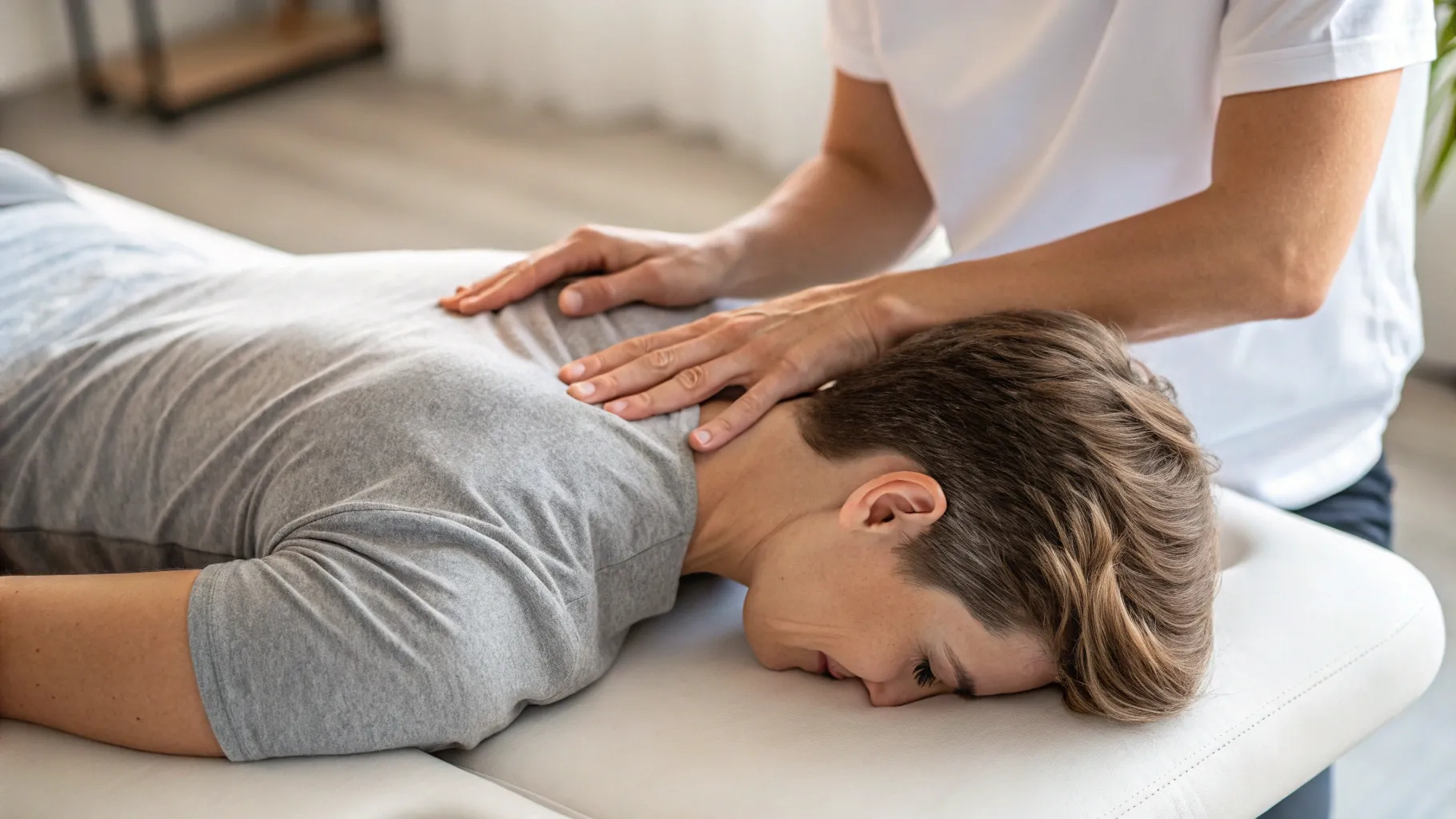
Exploring Effective Massage Techniques for Migraines
When considering migraine massages, it's crucial to understand that not all techniques are created equal for headache relief. Specific massage techniques for migraines focus on areas prone to tension, which often contribute to migraine onset and severity. One highly effective approach is trigger point therapy, where a therapist applies sustained pressure to hyper-irritable spots in muscle tissue. These trigger points, particularly in the neck, shoulders, and head, can refer pain directly to the head, mimicking or exacerbating migraine symptoms. By releasing this tension, the intensity and frequency of migraines can be significantly reduced. Another beneficial technique is deep tissue massage, which targets deeper layers of muscle and connective tissue. While potentially intense, it can be immensely effective in breaking down chronic muscle knots and adhesions that contribute to persistent headaches. Gentle Swedish massage can also be beneficial, particularly during or immediately after a migraine attack, to promote relaxation and improve circulation without causing further discomfort. Understanding which of these massage techniques for migraines is most appropriate often depends on the individual's specific pain patterns and triggers, making a personalized approach key to successful migraine relief.
How Massage Helps Migraine Relief: The Physiological Benefits
The question of how massage helps migraine relief is backed by several physiological mechanisms. Firstly, massage therapy significantly reduces muscle tension. Migraines are often accompanied by, or even triggered by, tension in the neck, shoulders, and scalp. By addressing these areas, massage can directly alleviate a major contributing factor. Secondly, massage promotes relaxation, lowering stress levels which are known migraine triggers. The tactile stimulation and focused attention during a massage can activate the parasympathetic nervous system, leading to a decrease in heart rate, blood pressure, and cortisol levels. This profound relaxation is a key component of non drug migraine relief methods. Thirdly, massage can improve blood circulation, enhancing oxygen and nutrient delivery to tissues while aiding in the removal of metabolic waste products. This improved circulation can help reduce inflammation and pain signals. Lastly, massage therapy and migraines interact through the release of endorphins, the body's natural painkillers. These neurochemicals can help block pain signals and create a sense of well-being, providing a powerful, natural form of pain management. This multifaceted approach underscores why many individuals find significant benefits from incorporating massage therapy for migraines into their wellness routine.
Targeting Relief: Understanding Pressure Points for Headaches
A crucial aspect of effective migraine massages involves understanding and targeting specific pressure points for headaches. These points, often rooted in traditional Chinese medicine and acupressure principles, can be highly effective when stimulated correctly. Some of the most commonly targeted points include: the "Third Eye" point (between the eyebrows), the "Temples" (along the sides of the head), the "Wind Pool" points (at the base of the skull where the neck muscles attach), and the "Shoulder Well" points (at the top of the shoulders). Applying gentle yet firm pressure to these points can help disrupt pain signals, relax surrounding muscles, and promote energy flow. For instance, pressing the "Union Valley" point on the hand (between the thumb and index finger) is a widely recognized technique for general headache relief. Learning to self-massage these pressure points for headaches can empower individuals to manage acute migraine symptoms independently, offering immediate, accessible relief. Integrating knowledge of these points enhances the overall efficacy of massage techniques for migraines and provides another tool in the arsenal of non drug migraine relief methods.
Integrating Massage into Your Migraine Management: Actionable Advice
For those seeking comprehensive non drug migraine relief methods, integrating massage therapy and migraines into a broader management plan is highly recommended. This proactive approach can significantly improve quality of life and potentially reduce migraine frequency and intensity.
- Consult a Qualified Therapist: Seek out a massage therapist experienced in treating headaches and migraines. They can identify specific trigger points and recommend the most effective massage techniques for migraines tailored to your condition. A personalized approach is key to maximizing the benefits of migraine massages.
- Maintain Regular Sessions: Consistency is vital. Rather than waiting for a migraine to strike, regular prophylactic massages can help keep muscle tension at bay and reduce overall stress, thereby preventing migraines before they start. Discuss a suitable schedule with your therapist.
- Learn Self-Massage Techniques: Empower yourself with basic self-massage. Your therapist can teach you how to apply pressure to key pressure points for headaches, allowing you to address symptoms as they arise, even between professional sessions. This can be a game-changer for immediate relief.
- Combine with Other Holistic Approaches: Massage works synergistically with other holistic practices. Consider integrating yoga, meditation, acupuncture, or dietary adjustments alongside your massage therapy for migraines to create a robust and holistic migraine management strategy.
- Track Your Progress: Keep a migraine diary to record the frequency, intensity, and duration of your migraines, noting if and how massage sessions impact these metrics. This data can help you and your healthcare providers understand the effectiveness of how massage helps migraine relief for you personally.
Frequently Asked Questions
Can I use migraine massages during an active migraine attack?
While some find very gentle massage around the neck and temples soothing during an active migraine, for others, any touch can be too stimulating or painful. It's generally recommended to focus on preventive massages or to use very light, soothing strokes during an attack. Listen to your body and discontinue if discomfort increases.
What kind of professional should I look for for massage therapy and migraines?
Look for a licensed massage therapist who has experience or specialized training in treating headaches, neck pain, and migraines. They should understand anatomy related to headache triggers and be able to adapt their massage techniques for migraines to your specific needs. Don't hesitate to ask about their experience.
Are there any risks associated with using massage techniques for migraines?
Generally, massage is safe, but it's important to consult with your doctor, especially if you have underlying health conditions like blood clots, fever, or certain skin conditions. Discussing how massage helps migraine relief with your healthcare provider ensures it's a safe and appropriate option for you.
How often should I get massage therapy for migraines to see results?
The optimal frequency varies per individual. Many people find a significant reduction in migraine frequency and intensity with weekly or bi-weekly sessions initially, followed by maintenance sessions less frequently. Your therapist can help you determine the best schedule based on your response to the migraine massages.
Can children benefit from non drug migraine relief methods like massage?
Yes, children can also benefit from gentle massage therapy for migraines, often as part of a broader pain management plan. It's essential to find a therapist experienced in pediatric massage and to ensure parental consent and presence. The focus would be on gentle relaxation techniques and light pressure on specific pressure points for headaches.
References
- American Massage Therapy Association. (n.d.). Massage Therapy for Pain Relief.
- Headache & Migraine Policy Forum. (n.d.). Understanding Migraine.
- National Institutes of Health. (n.d.). Complementary and Integrative Health Practices for Pain.
- Journal of Pain and Symptom Management. (Year). Effects of Massage Therapy on Chronic Headaches.