Nasal Polyps: Understanding Symptoms, Causes, and Treatment
Facts:
- Nasal polyps affect millions globally.
- Early detection improves management for individuals with chronic sinus conditions.
Demystifying Nasal Polyps: A Comprehensive Overview
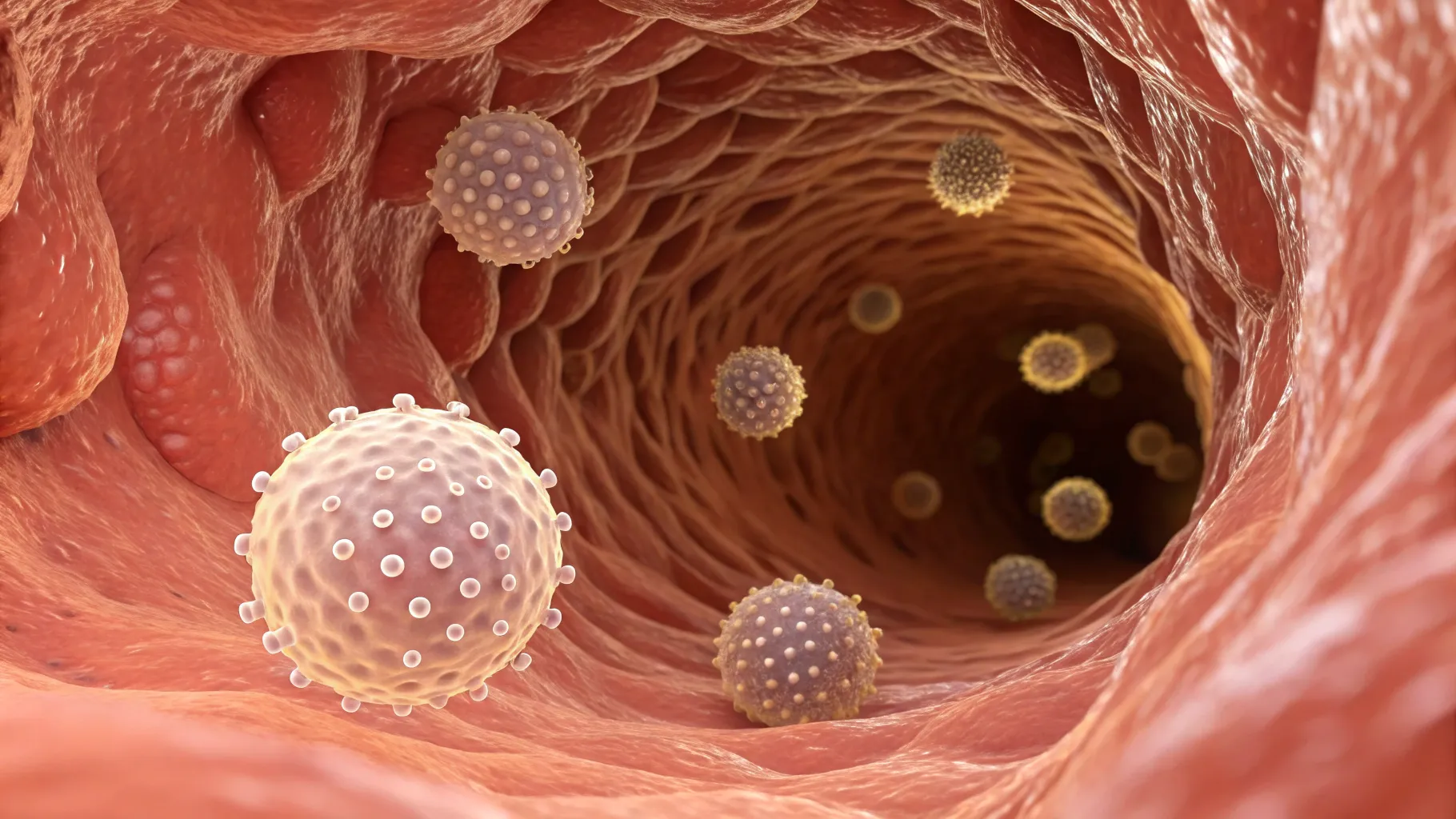
Nasal polyps are noncancerous growths in the lining of your nose or sinuses, often stemming from chronic inflammation. Understanding the various aspects of nasal polyps overview is crucial for effective management. These soft, painless growths can vary in size and often resemble peeled grapes. They can lead to a range of uncomfortable symptoms, significantly impacting quality of life if left untreated. This comprehensive guide will delve into the intricacies of this common condition.
Understanding the Symptoms of Nasal Polyps
Recognizing the symptoms of nasal polyps is the first step towards diagnosis and treatment. These symptoms often mimic those of a common cold or allergies, leading to initial misdiagnosis. However, unlike colds, nasal polyp symptoms tend to persist for much longer and do not respond to typical cold remedies. Common indicators include persistent nasal obstruction, which can make breathing through the nose difficult or impossible, leading to mouth breathing. A diminished sense of smell (anosmia) or taste (hypogeusia) is also a prominent symptom, as the polyps can block the olfactory receptors. Postnasal drip, a sensation of mucus running down the back of the throat, can be quite bothersome, often accompanied by a persistent cough. Facial pain or pressure, particularly around the eyes and forehead, can also occur, sometimes escalating to a headache. In severe cases, snoring and even sleep apnea can develop due to significant blockage of the airways. It is essential to differentiate these signs from other respiratory conditions to ensure appropriate intervention. The chronic nature of these symptoms is a key differentiator from acute infections.
Exploring the Causes of Nasal Polyps
The exact causes of nasal polyps are not fully understood, but they are strongly linked to chronic inflammation of the nasal lining and sinuses. Several factors are known to increase the risk of developing these growths. One of the most common underlying conditions is chronic rhinosinusitis, a persistent inflammation of the sinuses lasting more than 12 weeks. Allergies, particularly to airborne substances like pollen, dust mites, or pet dander, can exacerbate nasal inflammation and contribute to polyp formation. Asthma is another significant risk factor, with a notable percentage of individuals suffering from asthma also developing nasal polyps. Aspirin-exacerbated respiratory disease (AERD), also known as Samter's Triad, is a specific condition characterized by asthma, nasal polyps, and aspirin sensitivity. Cystic fibrosis, a genetic disorder affecting mucus production, also predisposes individuals to recurrent nasal polyps due to thick, sticky mucus in the airways. Genetic predispositions and certain immune system responses are also believed to play a role in the pathogenesis of polyps. Environmental irritants and recurrent infections, while not direct causes, can certainly contribute to the chronic inflammatory state that fosters polyp development.
Navigating Treatment Options for Nasal Polyps
When it comes to managing this chronic sinus condition, a range of treatment options for nasal polyps are available, tailored to the severity and specific characteristics of the polyps. The primary goal of treatment is to reduce the size of the polyps, alleviate symptoms, and prevent recurrence. Medical management often begins with corticosteroids, either topical nasal sprays or oral steroids, which effectively reduce inflammation and shrink polyps. Long-term use of nasal steroid sprays is a common first-line approach. Oral corticosteroids may be prescribed for short courses to address more severe inflammation and larger polyps, providing rapid symptom relief. For individuals with severe, recurrent polyps that do not respond to conventional medical therapy, newer biologic medications, such as monoclonal antibodies, are becoming increasingly important. These targeted therapies work by blocking specific inflammatory pathways. In cases where medical treatments are insufficient, surgery may be recommended. Endoscopic sinus surgery is a minimally invasive procedure used to remove polyps and correct any structural issues that might be contributing to the blockage. However, it's important to understand that surgery treats the symptom (the polyp) but does not cure the underlying inflammatory condition, meaning polyps can recur. Therefore, post-surgical medical management is often crucial to maintain results and prevent new polyp formation. Lifestyle adjustments, such as avoiding known allergens and irritants, can also support overall management.
Living with Chronic Sinus Condition and Nasal Polyps
Managing a chronic sinus condition, particularly when complicated by nasal polyps, requires ongoing vigilance and a proactive approach. The persistent nature of symptoms like nasal congestion, reduced sense of smell, and facial pressure can significantly impact daily life and mental well-being. Patients often report difficulties with sleep, concentration, and even enjoyment of food due to impaired olfaction. It is vital to establish a strong partnership with your healthcare provider, regularly discussing your symptoms, treatment effectiveness, and any side effects. Adherence to prescribed medications, whether nasal sprays, oral steroids, or biologics, is paramount in controlling inflammation and preventing polyp growth or recurrence. Regular follow-up appointments allow for monitoring of the condition and adjustment of treatment plans as needed. Avoiding environmental triggers such as smoke, strong perfumes, and allergens can also play a crucial role in reducing nasal irritation and inflammation. Utilizing saline rinses can help clear nasal passages and improve the efficacy of topical medications. Understanding the long-term implications of this condition empowers individuals to take a more active role in their health journey, seeking out support groups or educational resources to better cope with the challenges of living with chronic nasal polyps.
Practical Advice for Nasal Polyp Management
- Consult a Specialist Promptly: If you suspect you have nasal polyps or experience persistent nasal symptoms, consult an ENT specialist (otolaryngologist). Early diagnosis and intervention for nasal polyps overview can prevent progression and improve treatment outcomes. They can accurately identify the causes of nasal polyps and tailor an effective treatment plan.
- Adhere to Medication Regimen: Consistently use prescribed nasal corticosteroids or other medications as directed by your doctor. This is crucial for controlling inflammation, shrinking existing polyps, and preventing the growth of new ones, forming part of comprehensive treatment options for nasal polyps.
- Practice Nasal Hygiene: Regular use of saline nasal rinses or irrigation kits can help clear mucus, allergens, and irritants from the nasal passages, reducing inflammation and supporting overall nasal health for a chronic sinus condition.
- Identify and Avoid Triggers: Pay attention to what exacerbates your symptoms. This might include allergens (pollen, dust mites, pet dander), smoke, strong odors, or certain medications like aspirin if you have AERD. Minimizing exposure can significantly reduce inflammation and improve your symptoms of nasal polyps.
- Consider Lifestyle Adjustments: Maintaining a healthy lifestyle, including a balanced diet and regular exercise, can support overall immune function. Managing stress and ensuring adequate sleep can also indirectly help with chronic inflammatory conditions.
Frequently Asked Questions
Can nasal polyps be completely cured?
While nasal polyps can be effectively treated and managed, there isn't a definitive "cure" in the sense that they might not recur. Treatment focuses on reducing polyp size, alleviating symptoms of nasal polyps, and preventing recurrence. Many individuals require ongoing medical therapy or occasional surgical intervention.
Are nasal polyps cancerous?
No, nasal polyps are almost always benign, meaning they are noncancerous growths. However, any persistent growth in the nasal passages should be evaluated by a medical professional to rule out other, more serious conditions and confirm the diagnosis as part of a thorough nasal polyps overview.
Do nasal polyps always require surgery?
No, surgery is not always necessary. Many cases of nasal polyps can be effectively managed with medical treatments, primarily corticosteroids. Surgery is typically considered for larger polyps that do not respond to medication or cause severe obstruction, offering one of the significant treatment options for nasal polyps.
What increases the risk of developing nasal polyps?
Several factors can increase the risk, including asthma, aspirin sensitivity (AERD), cystic fibrosis, chronic rhinosinusitis, and certain allergies. These conditions often contribute to the chronic inflammation that underlies the causes of nasal polyps.
How long does it take for nasal polyps to shrink with treatment?
The time it takes for nasal polyps to shrink varies. Nasal corticosteroid sprays may show improvement over several weeks to months, while a short course of oral corticosteroids can provide more rapid reduction in size within days to weeks. Consistent adherence to treatment is key to managing this chronic sinus condition effectively.
References
- American Academy of Otolaryngology—Head and Neck Surgery.
- Journal of Allergy and Clinical Immunology.
- Mayo Clinic Proceedings.
- UpToDate Clinical Overviews.