Nasal Polyps: Symptoms, Causes, and Effective Treatment Options
Facts:
- Nasal polyps are non-cancerous growths.
- Prevalence is higher for chronic sinus condition patients.
Understanding Nasal Polyps: A Comprehensive Overview
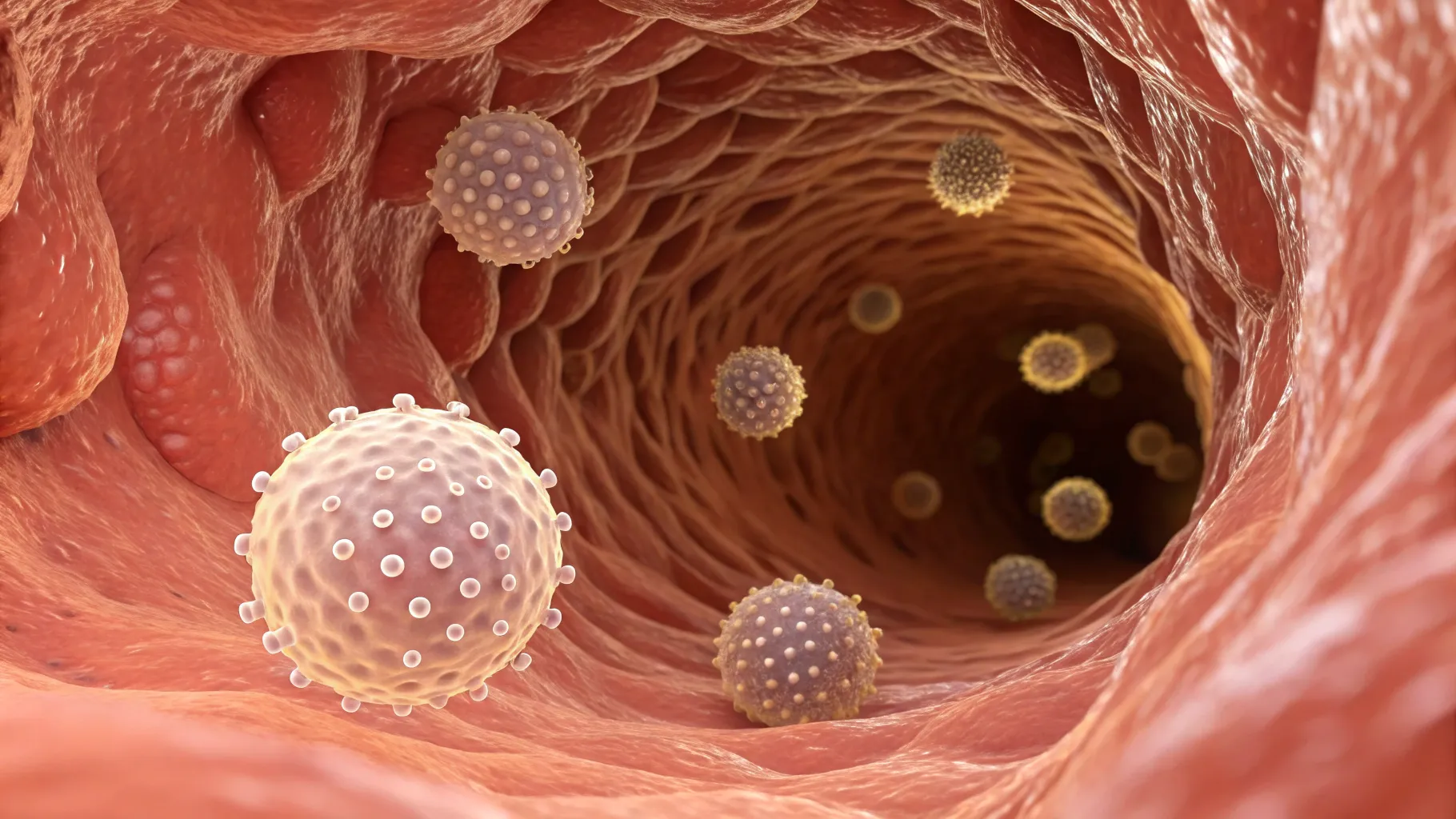
Nasal polyps are soft, painless, noncancerous growths that hang down like teardrops or grapes within your nasal passages or sinuses. They result from chronic inflammation and are often associated with asthma, recurring infections, allergies, drug sensitivity, or certain immune disorders. A thorough nasal polyps overview reveals that while small polyps might not cause symptoms, larger growths can block your nasal passages, leading to breathing problems, a lost sense of smell, and frequent infections, making effective treatment options for nasal polyps crucial for relief.
Identifying the Symptoms of Nasal Polyps
Recognizing the symptoms of nasal polyps is the first step towards diagnosis and management. These symptoms often mimic those of a common cold, but they persist for much longer. As the polyps grow, they can cause significant discomfort and impair daily activities. It's important to be aware of these persistent signs, especially if you have a history of allergies or asthma.
Persistent Nasal Obstruction
One of the most common symptoms of nasal polyps is a persistent feeling of nasal obstruction or stuffiness. This sensation is often worse on one side than the other, and it doesn't resolve with typical cold remedies. This blockage can lead to mouth breathing, especially at night, and contribute to a feeling of constant congestion.
Reduced Sense of Smell and Taste
Nasal polyps can physically block the olfactory receptors located high in the nasal cavity, leading to a diminished or complete loss of the sense of smell (anosmia). This, in turn, often affects the sense of taste, making food seem bland. This particular symptom can significantly impact quality of life.
Chronic Runny Nose and Postnasal Drip
Many individuals with nasal polyps experience a persistent runny nose, often clear but sometimes discolored if an infection is present. Along with this, there's often a sensation of mucus dripping down the back of the throat, known as postnasal drip, which can cause chronic coughing and throat irritation, contributing to a chronic sinus condition.
Facial Pain or Pressure
Larger polyps can exert pressure within the sinuses and nasal passages, leading to facial pain or a feeling of fullness around the eyes, forehead, or cheeks. This pain can range from mild discomfort to a throbbing ache and may worsen when bending forward, which is a common complaint among those with a severe chronic sinus condition.
Exploring the Causes of Nasal Polyps and Risk Factors
Understanding the causes of nasal polyps is complex, as they typically arise from chronic inflammation of the lining of the nasal passages and sinuses. While the exact trigger isn't always clear, several factors significantly increase the risk of developing these benign growths.
Chronic Rhinosinusitis
The most common underlying cause for nasal polyps is chronic rhinosinusitis, which is inflammation of the nose and paranasal sinuses lasting more than 12 weeks. This prolonged inflammation irritates the mucous membrane, leading to swelling and eventually the formation of polyps. It is essentially the definition of a chronic sinus condition.
Asthma and Allergies
Individuals with asthma, especially severe asthma, are more prone to developing nasal polyps. Similarly, chronic allergies, particularly allergic rhinitis, contribute to persistent nasal inflammation, creating an environment conducive to polyp formation. This link highlights the systemic nature of inflammatory conditions.
Aspirin Sensitivity
A condition known as aspirin-exacerbated respiratory disease (AERD), or Samter's triad, is characterized by asthma, nasal polyps, and a severe reaction to aspirin or other nonsteroidal anti-inflammatory drugs (NSAIDs). For these individuals, even a small dose of aspirin can trigger a severe asthma attack and worsening of sinus symptoms, emphasizing specific causes of nasal polyps.
Cystic Fibrosis
Cystic fibrosis, a genetic disorder affecting mucus production, is strongly associated with the development of nasal polyps, particularly in children. The abnormally thick mucus produced in cystic fibrosis can block the sinus drainage pathways, leading to inflammation and polyp formation.
Churg-Strauss Syndrome (Eosinophilic Granulomatosis with Polyangiitis)
This rare autoimmune disorder, characterized by inflammation of blood vessels, often includes severe asthma and nasal polyps among its symptoms. It represents a systemic inflammatory condition that can significantly impact respiratory health and contribute to a profound chronic sinus condition.
Navigating Treatment Options for Nasal Polyps
When it comes to managing and eliminating these growths, a range of treatment options for nasal polyps are available, tailored to the size of the polyps, the severity of symptoms, and the patient's overall health. From medical management to surgical interventions, the goal is to reduce inflammation, shrink or remove polyps, and alleviate symptoms, providing a comprehensive nasal polyps overview of care.
Corticosteroid Medications
The first-line approach often involves corticosteroids, which reduce inflammation and can shrink or eliminate nasal polyps. Nasal corticosteroid sprays are commonly prescribed for smaller polyps and long-term management. For larger polyps or more severe symptoms, oral corticosteroids may be used for a short course to quickly reduce inflammation, often preceding other treatment options for nasal polyps.
Biologic Medications
For individuals with severe nasal polyps that do not respond to traditional corticosteroid treatments, biologic medications may be an option. These injectable drugs target specific inflammatory pathways in the immune system, significantly reducing polyp size and improving symptoms like sense of smell and nasal congestion. They represent a significant advance in treating this particularly challenging chronic sinus condition.
Endoscopic Sinus Surgery
When medical treatments are insufficient, surgery may be necessary. Endoscopic sinus surgery is a minimally invasive procedure where the surgeon uses an endoscope to visualize and remove nasal polyps and clear obstructed sinus passages. This procedure aims to improve breathing, restore sense of smell, and reduce the frequency of infections. While effective, polyps can recur, necessitating ongoing medical management post-surgery, making it an integral part of comprehensive treatment options for nasal polyps.
Aspirin Desensitization
For patients with aspirin-exacerbated respiratory disease (AERD), a specialized treatment involves aspirin desensitization. After surgery to remove polyps, a carefully controlled regimen of increasing aspirin doses is administered to build tolerance. This can help prevent polyp recurrence and improve respiratory symptoms, offering a targeted solution for specific causes of nasal polyps.
Living with a Chronic Sinus Condition: Management and Prevention
Managing a chronic sinus condition, especially one characterized by recurrent nasal polyps, requires a proactive approach. While complete prevention of polyps may not always be possible, several strategies can help reduce their recurrence and alleviate symptoms, improving overall quality of life. Consistent adherence to these practices is vital for long-term health and minimizing the need for aggressive treatment options for nasal polyps.
Regular Nasal Rinsing
Using a saline nasal rinse or neti pot regularly can help clear irritants and allergens from your nasal passages, reduce inflammation, and improve mucus flow. This simple yet effective practice can significantly contribute to maintaining nasal hygiene and reducing the likelihood of polyp recurrence, particularly for those prone to a chronic sinus condition.
Manage Allergies and Asthma
If you have allergies or asthma, adhering to your prescribed treatment plan is crucial. Well-controlled allergies and asthma can significantly reduce the underlying inflammation that contributes to the formation and growth of nasal polyps. Regular communication with your allergist or pulmonologist ensures optimal management of these related conditions.
Avoid Nasal Irritants
Minimize exposure to airborne irritants such as allergens, tobacco smoke, chemical fumes, and dust. These substances can trigger or worsen nasal inflammation, creating an environment favorable for polyp development or exacerbating existing symptoms of nasal polyps. Wearing masks in dusty environments can also be beneficial.
Follow Post-Operative Care
If you have undergone surgery for nasal polyps, meticulously follow your surgeon's post-operative instructions. This often includes continued use of nasal corticosteroid sprays, saline rinses, and regular follow-up appointments. This ongoing management is critical to prevent recurrence and ensure the long-term success of the treatment options for nasal polyps.
Regular Medical Check-ups
Maintain regular check-ups with your ENT specialist, especially if you have a history of nasal polyps. Early detection of any new growths or worsening of a chronic sinus condition allows for timely intervention, often preventing the need for more invasive procedures and keeping symptoms under control.
Frequently Asked Questions
Can nasal polyps grow back after treatment?
Yes, nasal polyps can recur even after successful medical treatment or surgical removal. This is because the underlying inflammatory conditions that caused them may persist. Long-term management with nasal corticosteroids and regular follow-ups are crucial to minimize recurrence and manage the chronic sinus condition effectively.
Are nasal polyps cancerous?
Generally, nasal polyps are benign (non-cancerous) growths. However, any persistent growth in the nasal passages should be evaluated by a medical professional to rule out other, more serious conditions. A biopsy may be performed to confirm the diagnosis, especially if there are unusual characteristics or if the symptoms of nasal polyps are atypical.
What causes nasal polyps to form?
The exact causes of nasal polyps are not fully understood, but they are strongly linked to chronic inflammation of the nasal lining. Conditions such as asthma, allergies, aspirin sensitivity (AERD), cystic fibrosis, and recurrent sinus infections are common risk factors that contribute to their development, leading to a persistent chronic sinus condition.
How are nasal polyps diagnosed?
Diagnosis of nasal polyps typically involves a physical examination, including a visual inspection of the nasal passages with a lighted instrument. An endoscope may be used for a more detailed view. CT scans are often performed to determine the size and extent of the polyps and to rule out other structural issues within the sinuses, providing a clear nasal polyps overview.
References
- American Academy of Otolaryngology—Head and Neck Surgery Foundation. Clinical Practice Guideline: Adult Sinusitis.
- National Institute of Allergy and Infectious Diseases. Understanding Allergic Rhinitis and Sinusitis.
- Mayo Clinic. Nasal Polyps.
- Allergy & Asthma Network. Allergic Rhinitis and Nasal Polyps.