
Nasal Polyps Symptoms, Causes, and Treatment: A Comprehensive Overview
Facts:
- Nasal polyps are soft, noncancerous growths.
- Recent studies show an increase in chronic sinus condition diagnoses.
Understanding the Impact of Nasal Polyps on Sinus Health
Living with recurrent nasal congestion and facial pressure can be debilitating, often pointing towards a chronic sinus condition like nasal polyps. This comprehensive nasal polyps overview will explore the nuances of these growths, from their subtle beginnings to their more disruptive manifestations, offering clarity on what they are and how they affect your daily life.
Detailed Nasal Polyps Overview and Etiology
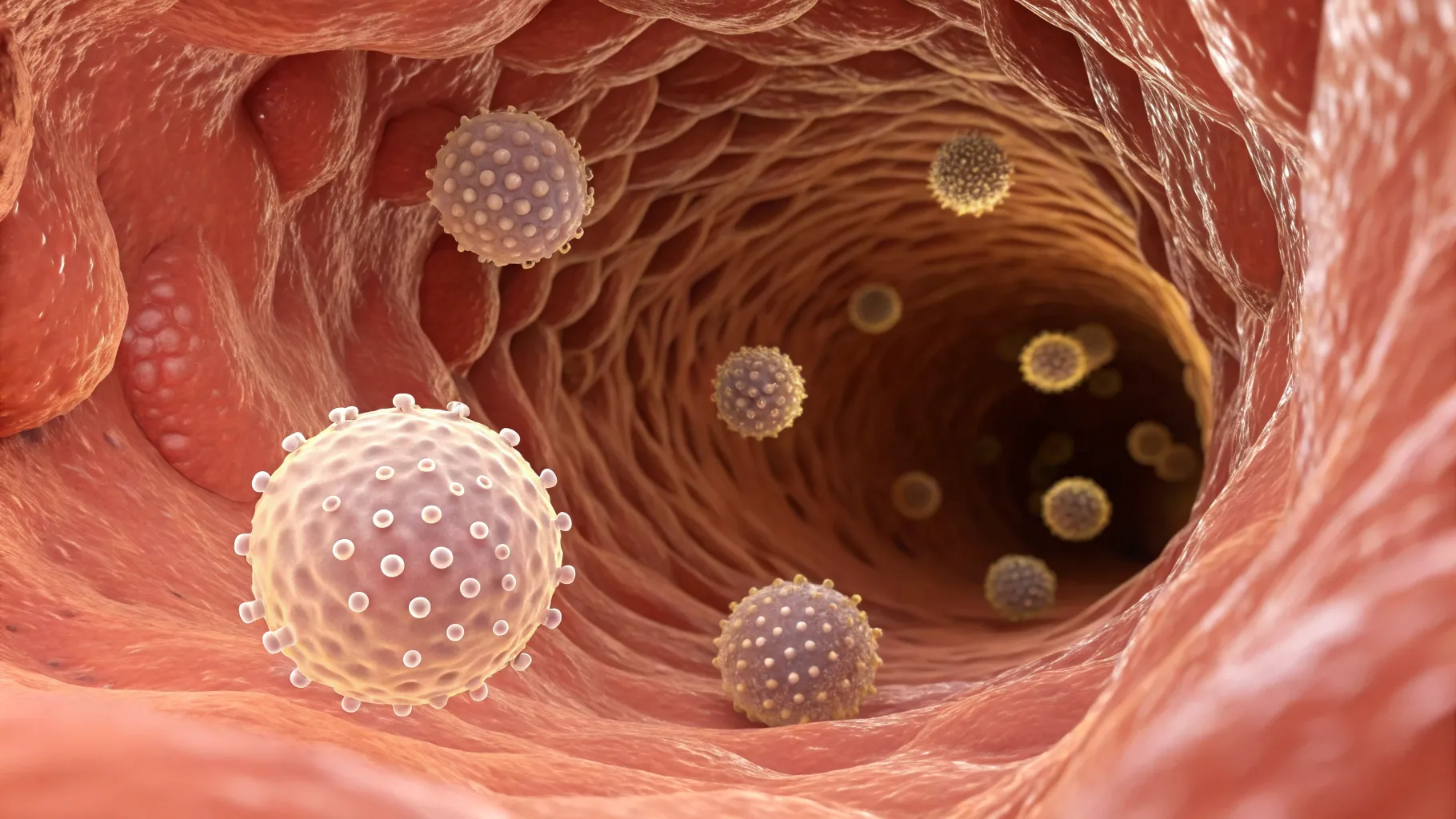
Nasal polyps are soft, painless, noncancerous growths on the lining of your nasal passages or sinuses. They often hang down like teardrops or grapes and result from chronic inflammation. While they are usually benign, their presence can significantly impair a person's quality of life. Understanding the complete nasal polyps overview involves recognizing that these growths are not tumors in the cancerous sense but rather manifestations of prolonged inflammatory responses within the sensitive mucous membranes of the respiratory tract, leading to a profound impact on nasal function and overall well-being.
Exploring the Primary Causes of Nasal Polyps
The exact causes of nasal polyps are not fully understood, but they are strongly linked to chronic inflammation. Conditions such as asthma, allergies (especially fungal allergies), aspirin sensitivity, cystic fibrosis, and certain immune disorders are frequently associated with their development. This suggests a complex interplay of genetic predispositions and environmental triggers that perpetuate the inflammatory cycle, leading to the formation of these growths. Research into the specific cellular mechanisms and immunological pathways continues, aiming to unravel the root **causes of nasal polyps** and pave the way for more targeted preventative strategies.
Recognizing the Diverse Symptoms of Nasal Polyps
The symptoms of nasal polyps typically worsen over time as the polyps grow larger. Common indications include persistent nasal stuffiness, a reduced or complete loss of smell, post-nasal drip, and a feeling of pressure or fullness in the face. Patients may also experience headaches, snoring, and even sleep apnea in more severe cases. These symptoms of nasal polyps can significantly impact daily activities, sleep quality, and overall mental health, making early recognition and intervention crucial for improving patient outcomes and preventing further complications associated with unchecked nasal obstruction.
Advanced Treatment Options for Nasal Polyps
Managing nasal polyps requires a multi-faceted approach, incorporating various treatment options for nasal polyps tailored to the individual's condition and severity. The primary goals are to reduce inflammation, shrink the polyps, and relieve symptoms. Early intervention often focuses on non-invasive methods, while persistent or severe cases may necessitate surgical solutions.
Medical Management Strategies
Corticosteroid nasal sprays are often the first line of defense, reducing inflammation and shrinking polyps. For more severe cases, oral corticosteroids may be prescribed for a short course to significantly decrease polyp size. Biologic medications, a newer class of drugs, target specific inflammatory pathways and are proving to be highly effective treatment options for nasal polyps in patients with severe or recurrent disease, offering a long-term solution by controlling the underlying inflammatory processes.
Surgical Interventions
When medical treatments are insufficient, surgical removal of polyps becomes a viable option. Endoscopic sinus surgery is a minimally invasive procedure where a surgeon uses a thin, flexible tube with a camera to remove polyps and correct any structural issues. This method helps restore normal breathing and sinus drainage. However, surgery alone is not a cure, as polyps can recur, emphasizing the need for ongoing medical management as part of the comprehensive treatment options for nasal polyps to prevent regrowth and maintain sinus health.
Living with and Preventing Recurrence of a Chronic Sinus Condition
Managing a chronic sinus condition like nasal polyps extends beyond immediate treatment. It involves long-term strategies aimed at preventing recurrence and maintaining a good quality of life. This includes consistent follow-up care with an ENT specialist, adherence to prescribed maintenance medications, and making specific lifestyle adjustments. Understanding the triggers and taking proactive steps can significantly reduce the impact of this chronic sinus condition on your daily life, ensuring better respiratory health and overall well-being through continuous vigilance and management.
Effective Strategies for Managing Nasal Polyps Symptoms, Causes and Treatment
- Maintain good nasal hygiene by regular saline rinses to help manage nasal polyps symptoms and reduce inflammation.
- Identify and avoid triggers such as allergens or irritants that exacerbate the causes of nasal polyps and overall sinus inflammation.
- Adhere strictly to prescribed medications, including corticosteroid sprays or biologics, which are crucial treatment options for nasal polyps.
- Regularly consult with an ENT specialist for ongoing monitoring and adjustments to your chronic sinus condition management plan.
- Consider allergy testing to understand potential contributing factors to the nasal polyps overview and to personalize preventative measures.
Frequently Asked Questions
Are nasal polyps dangerous?
While generally benign, untreated nasal polyps can lead to complications such as chronic sinusitis, sleep apnea, and vision problems in rare cases. They aren't cancerous but can significantly impair quality of life, necessitating a comprehensive nasal polyps overview to understand their impact.
Can nasal polyps grow back after removal?
Yes, recurrence is common even after successful surgical removal. This highlights the importance of ongoing medical management, often involving nasal steroid sprays or biologics, as part of long-term treatment options for nasal polyps to prevent their return and manage the underlying chronic sinus condition.
What are the earliest symptoms of nasal polyps?
Early indicators often include persistent nasal stuffiness, a reduced sense of smell, and a feeling of pressure or fullness in the sinuses. These subtle symptoms of nasal polyps can easily be mistaken for a common cold or allergies, making early diagnosis challenging but crucial for effective intervention.
References
- American Academy of Otolaryngology – Head and Neck Surgery
- Mayo Clinic on Nasal Polyps
- National Institute of Allergy and Infectious Diseases