
Effective Natural Approaches to Chronic Constipation Management
Fast Facts:
- Chronic constipation affects millions globally.
- Dietary adjustments are a key trend in managing chronic constipation for adults.
Exploring Holistic Strategies for Chronic Constipation Relief
Living with chronic constipation can be profoundly debilitating, impacting daily life, mood, and overall well-being. While conventional treatments exist, many individuals are increasingly seeking natural remedies that align with a holistic approach to health. These methods often focus on addressing the root causes rather than just alleviating symptoms, promoting long-term relief and enhancing overall gut health.
Dietary Interventions: The Foundation of Gut Health
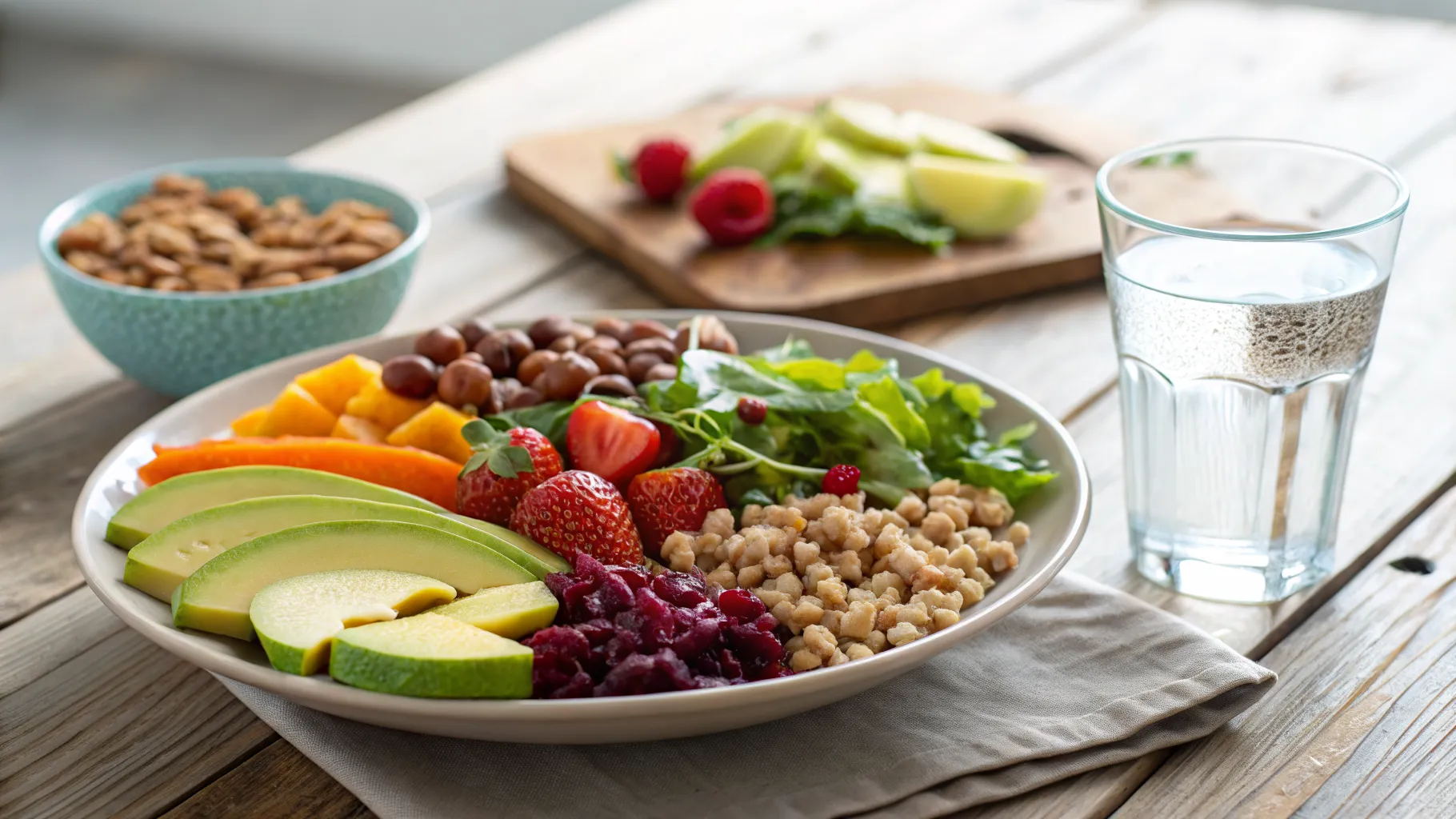
One of the most impactful natural approaches to chronic constipation management lies in dietary adjustments. Increasing fiber intake is paramount, as fiber adds bulk to stool and facilitates its passage through the digestive tract. Soluble fiber, found in oats, beans, apples, and psyllium, absorbs water and forms a gel-like substance, softening stool. Insoluble fiber, present in whole grains, vegetables, and wheat bran, adds bulk and speeds up transit time. A gradual increase in fiber, accompanied by adequate hydration, is crucial to avoid gas and bloating. Beyond fiber, fermented foods like kefir, yogurt, sauerkraut, and kimchi introduce beneficial probiotics, which are vital for a healthy gut microbiome, playing a critical role in digestion and regularity. Minimizing processed foods, refined sugars, and excessive dairy can also significantly alleviate symptoms for many individuals experiencing chronic constipation.
Hydration and Its Role in Digestive Regularity
Water is an often-overlooked but essential component of any effective strategy for managing chronic constipation. Dehydration can lead to hard, dry stools that are difficult to pass, exacerbating constipation symptoms. Consuming sufficient amounts of water throughout the day helps to keep the stool soft and allows it to move more smoothly through the intestines. Aiming for at least 8-10 glasses of water daily, depending on individual activity levels and climate, is a general recommendation. Herbal teas, clear broths, and water-rich fruits and vegetables also contribute to overall fluid intake, supporting the efficacy of other natural remedies aimed at improving gut health and bowel regularity.
The Impact of Physical Activity and Lifestyle Changes
Regular physical activity is a powerful tool in the arsenal against chronic constipation. Exercise helps stimulate the natural contractions of the intestines, known as peristalsis, which move stool through the digestive system. Even moderate activities like walking, jogging, or cycling can make a significant difference. Incorporating daily movement into one's routine can be as effective as some dietary changes for improving bowel function. Beyond exercise, managing stress is another critical aspect of lifestyle changes. The gut-brain axis means that stress can directly impact digestive motility. Practices such as meditation, yoga, deep breathing exercises, and spending time in nature can help calm the nervous system, potentially easing constipation and contributing to better overall gut health.
Herbal Remedies and Supplements for Natural Relief
Several herbal remedies and supplements have been traditionally used to aid in the management of chronic constipation. Psyllium husk, a soluble fiber supplement derived from the seeds of Plantago ovata, is a well-researched option that helps increase stool bulk and softness. Flaxseed, another excellent source of fiber and omega-3 fatty acids, can also promote regularity. Magnesium citrate is a gentle osmotic laxative that draws water into the intestines, softening stool. Certain herbs like senna and cascara sagrada act as stimulant laxatives, though these should be used cautiously and for short periods due to potential dependency. Always consult a healthcare professional before incorporating new supplements into your regimen, especially when dealing with persistent chronic constipation, to ensure they are safe and appropriate for your specific condition.
Mind-Body Connection and Gut Health Enhancement
Understanding the intricate connection between the mind and body is increasingly recognized as vital in managing conditions like chronic constipation. The enteric nervous system, often called the "second brain," is housed within the gut and communicates extensively with the central nervous system. Emotional states, stress, and anxiety can profoundly influence gut motility and function. Incorporating practices that foster a strong mind-body connection, such as mindful eating, where one pays close attention to the act of eating without distraction, can improve digestion. Biofeedback and cognitive behavioral therapy (CBT) have also shown promise in helping individuals gain greater control over their bodily functions and reduce the impact of stress on their digestive system, offering valuable additions to other natural remedies for gut health.
Comparison of Natural Approaches vs. Conventional Treatments
While both natural approaches to chronic constipation management and conventional medical treatments aim to alleviate symptoms, their methodologies and long-term implications often differ. Conventional treatments typically involve over-the-counter laxatives, stool softeners, and prescription medications, which can provide quick relief but may lead to dependency or side effects with prolonged use. In contrast, natural remedies, such as increased fiber intake, improved hydration, and regular physical activity, focus on addressing underlying physiological imbalances and promoting overall gut health through sustainable lifestyle changes. Although natural methods may take longer to show significant results, they often lead to more enduring improvements in bowel function and general well-being without the risk of dependency. A balanced approach, potentially integrating both strategies under medical guidance, is often the most effective for individuals suffering from severe or persistent chronic constipation.
Actionable Advice for Sustainable Constipation Relief
Practical Steps for Improving Bowel Regularity Naturally
Gradually Increase Fiber Intake: Incorporate more whole grains, fruits (especially berries, apples, pears), vegetables (leafy greens, broccoli), legumes, and nuts into your diet. Start slowly to allow your digestive system to adapt and prevent discomfort.
Prioritize Hydration: Drink plenty of water throughout the day. Keep a water bottle handy and sip regularly. Warm liquids, like herbal tea in the morning, can also help stimulate bowel movements, enhancing the effects of other natural remedies.
Establish a Regular Routine: Try to have a bowel movement at the same time each day, ideally after a meal when the gastrocolic reflex is most active. Do not ignore the urge to go, as this can worsen chronic constipation.
Engage in Regular Physical Activity: Aim for at least 30 minutes of moderate exercise most days of the week. This helps stimulate intestinal muscles and improves overall digestive function, a key part of lifestyle changes.
Manage Stress Effectively: Practice stress-reduction techniques such as mindfulness, deep breathing, yoga, or meditation. Reducing stress can have a profound positive impact on gut health and alleviate constipation symptoms.
Consider Probiotics and Prebiotics: Include fermented foods or consider a high-quality probiotic supplement to support a balanced gut microbiome. Prebiotic-rich foods (onions, garlic, bananas) feed beneficial gut bacteria.
Frequently Asked Questions
Can natural remedies completely cure chronic constipation?
While natural remedies can significantly improve symptoms and, in many cases, resolve chronic constipation, "curing" it depends on the underlying cause. For some, consistent adherence to dietary and lifestyle changes can lead to complete remission. For others with more complex underlying conditions, natural approaches may serve as excellent supportive therapy, reducing the need for pharmaceutical interventions. It's essential to identify the root cause with a healthcare professional.
How long do natural approaches take to show results for gut health?
The time it takes to see results from natural approaches to chronic constipation management can vary widely among individuals. Simple changes like increased fiber intake and hydration might show initial improvements within a few days to a week. More comprehensive lifestyle changes, including consistent exercise and stress management, may require several weeks to months for significant and sustained improvements in gut health and bowel regularity. Patience and consistency are key.
Are there any natural remedies to avoid with certain conditions?
Yes, while many natural remedies are generally safe, some should be avoided or used with caution depending on individual health conditions. For example, stimulant laxative herbs like senna should be used sparingly and not long-term. Individuals with inflammatory bowel disease, diverticulitis, or other gastrointestinal conditions should always consult a doctor before implementing significant dietary changes or using supplements to manage chronic constipation, ensuring safety and avoiding potential exacerbation of symptoms.
References
- American Gastroenterological Association (AGA) Guidelines for Chronic Constipation.
- National Institute of Diabetes and Digestive and Kidney Diseases (NIDDK) Information on Constipation.
- Research on Dietary Fiber and Digestive Health.
- Studies on Probiotics and Gut Microbiome Impact.
- Clinical trials regarding magnesium supplementation for bowel regularity.