Clear Skin Naturally: The Ultimate Guide to Natural Remedies for Acne
Facts:
- Tea tree oil has strong anti-inflammatory properties.
- A growing trend for natural remedies for acne involves holistic lifestyle changes.
Harnessing Nature's Power for Clearer Skin
Navigating the world of skincare can be overwhelming, especially when dealing with persistent acne. While chemical treatments are common, many people are turning to natural remedies for acne to achieve a clearer complexion without harsh side effects. These methods often utilize ingredients with proven anti-inflammatory, antibacterial, and antioxidant properties to target breakouts at their source. Understanding how these natural remedies for acne work is the first step towards building an effective and gentle skincare routine that supports your skin's long-term health.
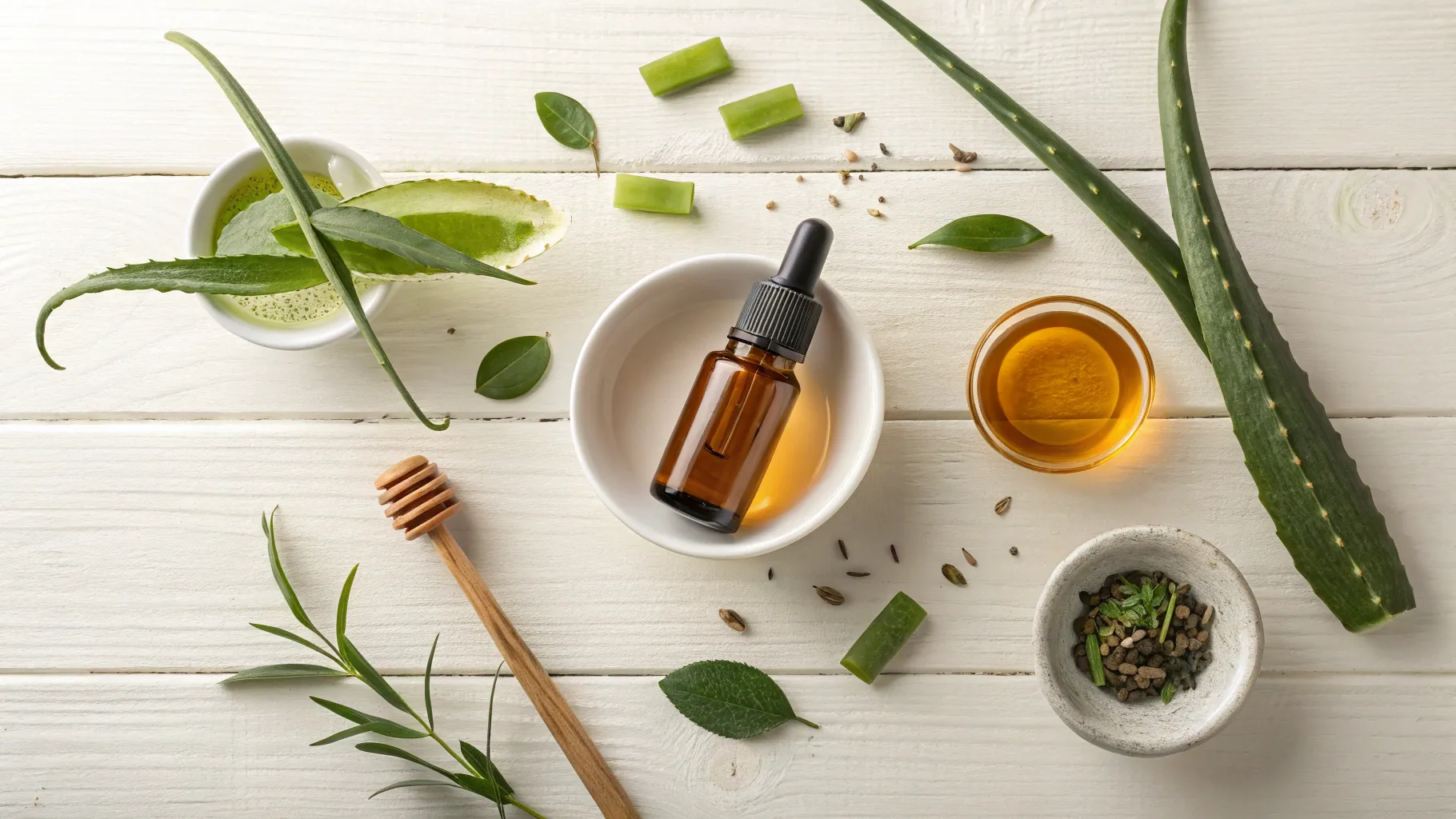
Topical Natural Remedies for Acne You Can Try Today
When it comes to fighting acne directly on the skin's surface, several plant-based ingredients have demonstrated significant efficacy. These topical treatments work by reducing bacteria, calming inflammation, and helping to clear pores. Unlike many synthetic options, these natural remedies for acne can be gentler on the skin barrier when used correctly.
Tea Tree Oil: The Potent Antiseptic
Derived from the leaves of the Melaleuca alternifolia tree, tea tree oil is one of the most well-known natural remedies for acne. Its power lies in its antimicrobial and anti-inflammatory properties, which help to kill the P. acnes bacteria responsible for breakouts and reduce redness and swelling. To use it safely, always dilute it with a carrier oil like jojoba or coconut oil (a few drops of tea tree oil to a teaspoon of carrier oil) before applying it directly to pimples with a cotton swab. Never apply undiluted tea tree oil to your skin, as it can cause irritation and dryness.
Green Tea Extract: The Antioxidant Powerhouse
Green tea is not just for drinking; its extract can be a formidable foe against acne when applied topically. It is rich in antioxidants, particularly epigallocatechin-3-gallate (EGCG), which has been shown to reduce sebum (skin oil) production, fight inflammation, and inhibit the growth of P. acnes. Many creams and lotions now include green tea extract, making it an easy addition to your skincare routine. These natural remedies for acne leverage the plant's compounds to soothe irritated skin and prevent future blemishes.
Aloe Vera: The Soothing Healer
Famous for its cooling and soothing properties, aloe vera is an excellent natural remedy for inflamed, red acne. It contains salicylic acid and sulfur, which are both effective acne treatments. Furthermore, aloe vera can promote healing and reduce the risk of scarring. You can apply pure aloe vera gel directly from the plant or purchase a high-quality gel from a store. It works well as a moisturizer for acne-prone skin because it’s non-greasy and won't clog pores, making it a gentle yet effective component of many natural remedies for acne.
Fighting Acne from Within: Dietary Strategies
What you eat can have a significant impact on your skin's health. Incorporating certain foods and avoiding others can be a powerful part of a strategy using natural remedies for acne. A balanced diet rich in whole foods provides the essential nutrients your skin needs to repair itself and stay healthy. Focusing on an anti-inflammatory diet is key, as acne is fundamentally an inflammatory condition. Many have found significant improvement by adjusting their diet as part of their approach to finding effective natural remedies for acne.
Foods to Embrace for Clearer Skin
- Low-Glycemic Foods: Foods like whole grains, legumes, and non-starchy vegetables don't cause rapid spikes in blood sugar, which can trigger hormonal fluctuations and increase inflammation.
- Zinc-Rich Foods: Zinc is a mineral crucial for skin health. It can reduce inflammation and inhibit the growth of P. acnes bacteria. Good sources include pumpkin seeds, chickpeas, and cashews.
- Antioxidant-Rich Fruits and Vegetables: Berries, leafy greens, and colorful vegetables are packed with antioxidants that fight free radical damage and support overall skin health.
Simple Lifestyle Changes as Natural Remedies for Acne
Beyond topical treatments and diet, your daily habits play a crucial role in managing acne. Stress, lack of sleep, and poor hygiene can all contribute to breakouts. Adopting healthier habits is a cornerstone of using holistic and natural remedies for acne effectively. These changes support your body's ability to regulate hormones, reduce inflammation, and maintain a strong skin barrier, preventing new pimples from forming.
- Stress Management: Chronic stress increases cortisol levels, which can lead to increased oil production and inflammation. Incorporate stress-reducing activities like yoga, meditation, or deep breathing exercises into your daily routine.
- Adequate Sleep: Aim for 7-9 hours of quality sleep per night. During sleep, your body repairs itself, and a lack of sleep can disrupt hormones and weaken your immune system, making acne worse.
- Proper Cleansing Routine: Wash your face twice a day with a gentle cleanser to remove excess oil, dirt, and bacteria. Avoid harsh scrubbing, which can irritate the skin and exacerbate acne. This simple step is one of the most fundamental natural remedies for acne.
What to Avoid: Common Irritants and Triggers
Just as important as what you add to your routine is what you remove. Certain products, foods, and habits can trigger acne flare-ups. Identifying and avoiding these triggers is a key part of any successful strategy involving natural remedies for acne. High-glycemic foods like white bread and sugary snacks can spike insulin levels, leading to inflammation. Some studies also link dairy consumption to acne in certain individuals. Pay attention to your skin's reaction after consuming these items. Furthermore, be wary of comedogenic (pore-clogging) ingredients in makeup and skincare products, and always wash your makeup off before bed.
Frequently Asked Questions
How long do natural remedies for acne take to work?
Patience is key. Unlike some chemical treatments that can show rapid results, natural remedies often take several weeks to a few months to show significant improvement. Consistency is the most important factor for success.
Are natural remedies for acne safe for all skin types?
While generally gentler, not all natural ingredients are suitable for everyone. For example, tea tree oil can be irritating for very sensitive skin. It's always recommended to do a patch test on a small area of skin before applying a new remedy to your entire face.
Can I combine multiple natural remedies for acne at once?
It's best to introduce new remedies one at a time to see how your skin reacts. Combining too many new ingredients at once can lead to irritation and make it difficult to identify which remedy is working or causing a problem.
References
- Journal of Clinical and Aesthetic Dermatology
- International Journal of Dermatology
- American Academy of Dermatology Association
- Nutrients Journal on Diet and Acne