
Clear Skin Naturally: A Comprehensive Guide to Natural Remedies for Acne
Facts:
- Tea tree oil possesses strong anti-inflammatory properties.
- There is a growing trend for holistic skincare using natural remedies for acne.
Harnessing Nature's Power for Clearer Skin
Many individuals are turning away from harsh chemical treatments and seeking gentler, more holistic solutions for skin concerns. The world of natural remedies for acne offers a wealth of options derived from plants, foods, and essential oils that can effectively manage breakouts without stripping the skin of its natural moisture. These remedies often work by reducing inflammation, fighting bacteria, and balancing oil production, addressing the root causes of acne. Understanding how to properly use these potent ingredients is the first step toward achieving a clearer, healthier complexion through a more natural approach to skincare.
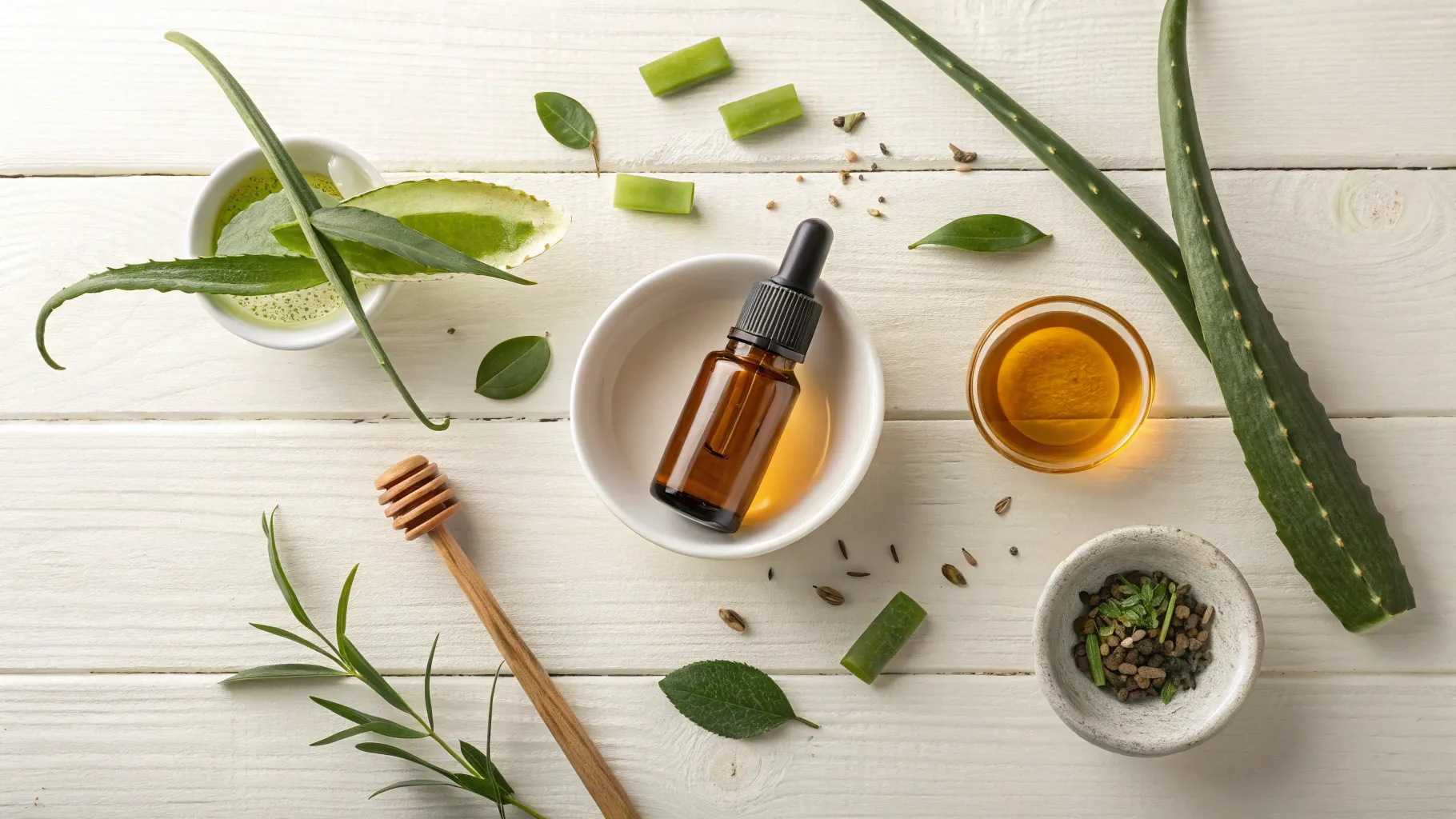
Top Plant-Based Natural Remedies for Acne
Nature provides a powerful arsenal for combating acne. Certain plants and their extracts have been used for centuries due to their antimicrobial and anti-inflammatory properties. Integrating these into your skincare routine can make a significant difference. Below are some of the most effective and widely studied natural remedies for acne.
Tea Tree Oil: The Potent Antiseptic
Derived from the leaves of the Melaleuca alternifolia tree, tea tree oil is one of the most popular natural remedies for acne. Its potent antibacterial and anti-inflammatory properties help to kill the P. acnes bacteria responsible for breakouts and reduce the redness and swelling associated with pimples. It is crucial to dilute tea tree oil with a carrier oil like jojoba or coconut oil before applying it to the skin to avoid irritation. A few drops added to a clay mask or used as a spot treatment can be highly effective.
Aloe Vera: The Soothing Healer
Known for its incredible soothing and healing properties, Aloe Vera is another excellent natural remedy. It contains salicylic acid and sulfur, which are effective acne treatments. Furthermore, its high water content provides hydration without clogging pores, and its anti-inflammatory nature helps calm irritated skin. Applying pure aloe vera gel directly to affected areas can help reduce inflammation, promote healing, and even diminish the appearance of acne scars over time. It is a gentle yet powerful component in the toolkit of natural remedies for acne.
Green Tea Extract: The Antioxidant Powerhouse
Green tea is rich in antioxidants, particularly epigallocatechin-3-gallate (EGCG), which has been shown to reduce sebum production, fight inflammation, and inhibit the growth of P. acnes. You can use cooled green tea as a facial rinse, create a toner by steeping tea bags, or apply products containing green tea extract. Consistent use can help manage oily skin and reduce the frequency and severity of breakouts, making it a cornerstone of many natural remedies for acne.
The Role of Diet in Managing Acne Naturally
What you eat can have a direct impact on your skin's health. A holistic approach to managing acne involves looking beyond topical treatments and considering internal factors. Adopting an anti-inflammatory diet can be one of the most effective long-term natural remedies for acne. This involves focusing on whole, unprocessed foods rich in nutrients. Foods with a high glycemic index, such as refined sugars and white bread, can spike insulin levels, which may in turn increase sebum production and inflammation, leading to more breakouts. Conversely, incorporating low-glycemic foods like leafy greens, berries, and whole grains can help stabilize blood sugar and improve skin clarity.
Actionable Lifestyle Changes for Clearer Skin
Beyond specific treatments and diet, your daily habits play a critical role. Incorporating these lifestyle adjustments can complement your use of natural remedies for acne and lead to lasting results.
- Stress Management: Chronic stress increases cortisol levels, which can trigger excess oil production. Practices like meditation, yoga, or even regular walks in nature can help manage stress and, in turn, reduce acne flare-ups.
- Prioritize Sleep: Your skin repairs itself while you sleep. Aim for 7-9 hours of quality sleep per night to allow your body to reduce inflammation and regulate hormones, which is a fundamental part of a holistic approach to clear skin.
- Gentle Cleansing Routine: Avoid harsh scrubs and cleansers that can strip the skin's protective barrier. Opt for a gentle, pH-balanced cleanser and wash your face no more than twice a day to support your skin's health while using natural remedies for acne.
- Regular Exercise: Physical activity improves blood circulation, which helps nourish skin cells. Sweating can also help clear out pores, but it's important to cleanse your skin after a workout to remove sweat and bacteria.
DIY Masks vs. Store-Bought Natural Products
When exploring natural remedies for acne, you face a choice between creating your own DIY treatments or purchasing pre-formulated natural products. DIY masks, using ingredients like honey, turmeric, and yogurt, offer full control over what you put on your skin and can be very cost-effective. However, they lack preservatives, so they must be made fresh for each use, and ingredient concentrations can be inconsistent. Store-bought natural products, on the other hand, are formulated by chemists for stability, proper pH, and effective concentrations. They often combine multiple beneficial ingredients in one convenient product. The best approach may be a combination of both: using reliable store-bought products for daily care and incorporating occasional fresh DIY masks as a supplementary treatment.
What to Know Before Trying Natural Remedies for Acne
While natural remedies for acne are generally considered safer than many synthetic alternatives, it is essential to proceed with caution. 'Natural' does not always mean 'gentle' or 'safe for everyone.' Essential oils like tea tree oil are very potent and can cause severe irritation or allergic reactions if not properly diluted. Always perform a patch test on a small area of skin, such as your inner arm, and wait 24-48 hours to check for any adverse reaction before applying a new remedy to your face. If you have severe, cystic acne, it is always best to consult with a dermatologist to create a comprehensive treatment plan that may include these natural options alongside other proven therapies.
Frequently Asked Questions
How long does it take for natural remedies for acne to work?
The time it takes to see results from natural remedies for acne can vary greatly depending on the individual, the severity of the acne, and the specific remedy being used. Generally, you should allow at least 4-6 weeks of consistent use to notice a significant improvement. Skin cell turnover takes about 28 days, so consistency is key.
Can natural remedies for acne worsen breakouts?
Yes, it's possible. Some natural ingredients can be comedogenic (pore-clogging), such as coconut oil for certain skin types. Additionally, undiluted essential oils or allergic reactions to a plant-based ingredient can cause irritation and inflammation, potentially worsening acne. This is why patch testing is crucial.
Are there any scientific studies supporting natural remedies for acne?
Yes, there is a growing body of scientific research supporting the efficacy of many natural remedies for acne. Ingredients like tea tree oil, green tea extract, and certain dietary changes have been studied for their anti-inflammatory and antibacterial properties and their positive effects on acne-prone skin.
References
- Journal of Clinical and Aesthetic Dermatology
- International Journal of Dermatology
- Evidence-Based Complementary and Alternative Medicine
- Archives of Dermatological Research