Your Ultimate Guide to Natural Remedies for Digestive Health
Facts:
- Ginger has been used for over 2,000 years for stomach ailments.
- A rising trend is using fermented foods for gut microbiome health.
Harnessing Nature's Pharmacy for Optimal Gut Function
Navigating the world of digestive wellness can be complex, but turning to nature often provides the simplest and most effective solutions. For centuries, cultures worldwide have relied on a wealth of botanicals and dietary strategies to soothe discomfort, improve nutrient absorption, and maintain a healthy gut. This guide explores the most potent natural remedies for digestive health, offering a comprehensive look at how you can support your digestive system through gentle, yet powerful, methods. Embracing these time-tested approaches can be a transformative step towards achieving lasting balance and well-being.
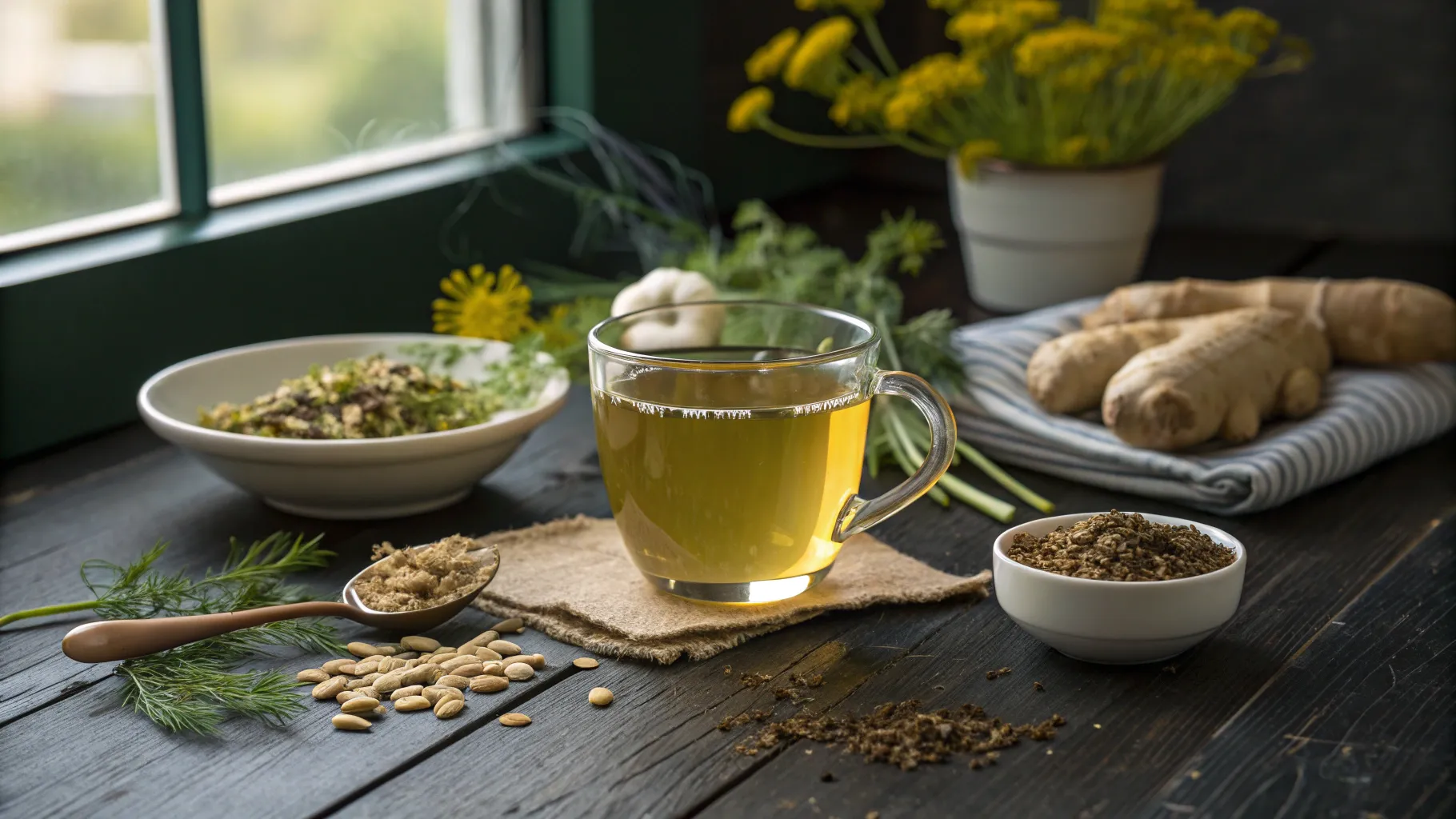
Top Herbal Remedies for Digestive Soothing
Herbal remedies are a cornerstone of digestive wellness, offering targeted relief for a variety of common issues. These plants contain powerful compounds that can calm inflammation, ease spasms, and promote healthy digestion. Unlike harsh synthetic drugs, they work in harmony with the body's natural processes.
Peppermint for IBS and Bloating
Peppermint is widely recognized for its ability to soothe the digestive tract. The active compound, menthol, has an antispasmodic effect on the smooth muscles of the stomach and intestines, which can alleviate cramping and bloating often associated with Irritable Bowel Syndrome (IBS). Peppermint tea or enteric-coated capsules are popular forms of this effective natural remedy.
Ginger for Nausea and Indigestion
A true powerhouse among natural remedies for digestive health, ginger is incredibly effective for nausea, motion sickness, and general indigestion. It works by accelerating stomach emptying, which can relieve the discomfort of food sitting too long in the stomach. You can consume it as a tea, add fresh ginger to meals, or take it in supplement form.
Chamomile for Relaxation and Cramp Relief
Known for its calming properties, chamomile extends its benefits to the digestive system. It helps reduce inflammation and can ease muscle spasms in the stomach and intestines. A warm cup of chamomile tea before bed can not only aid sleep but also soothe an unsettled stomach, making it a gentle yet effective option.
Fennel Seeds to Combat Gas
Fennel seeds have been used for centuries as a post-meal digestive aid. They contain compounds that relax the gastrointestinal tract, allowing trapped gas to pass and preventing painful bloating. Chewing a small spoonful of fennel seeds after a meal is a simple and traditional practice.
The Power of Probiotics and Fermented Foods
A healthy gut is teeming with beneficial bacteria known as the gut microbiome. These microorganisms are essential for proper digestion, nutrient absorption, and immune function. Probiotics are live bacteria that replenish and support this ecosystem. Incorporating probiotic-rich foods is one of the most impactful natural remedies for digestive health. Fermented foods like yogurt, kefir, sauerkraut, kimchi, and kombucha are excellent sources. They introduce diverse strains of good bacteria, helping to crowd out harmful pathogens and maintain a balanced internal environment.
Dietary Adjustments for Long-Term Digestive Wellness
While specific remedies offer relief, long-term digestive health is built on a foundation of smart dietary choices. The food you eat directly impacts your gut health, so making conscious adjustments can lead to profound and lasting improvements. These strategies are fundamental natural remedies for digestive health.
- Increase Soluble and Insoluble Fiber Intake: Fiber is crucial for digestive regularity. Soluble fiber (oats, beans, apples) forms a gel-like substance that can soothe the gut, while insoluble fiber (whole grains, vegetables) adds bulk to stool, preventing constipation. A gradual increase is key to avoid discomfort.
- Stay Adequately Hydrated: Water is essential for helping fiber do its job. It softens stool and ensures smooth passage through the digestive tract. Dehydration is a common cause of constipation, so aim to drink plenty of water throughout the day.
- Practice Mindful Eating: The digestive process begins before you even take a bite. Eating slowly, chewing your food thoroughly, and paying attention to your body's hunger and fullness cues can significantly improve digestion and prevent overeating, gas, and bloating.
Comparing Soothing Teas vs. Probiotic Supplements
When seeking natural remedies for digestive health, people often weigh the benefits of herbal teas against probiotic supplements. It's not about which is better, but which is right for the situation. Herbal teas like ginger and peppermint offer immediate, acute relief from symptoms like nausea or cramping. They are fast-acting and address the symptom directly. Probiotic supplements, on the other hand, work on a foundational level. They aim to rebalance the gut microbiome over time, providing long-term benefits for overall digestive function and resilience. Ideally, a holistic approach incorporates both: soothing teas for immediate comfort and probiotics for sustained gut health.
Frequently Asked Questions
Which natural remedies for digestive health work the fastest?
For quick relief from symptoms like bloating or nausea, herbal teas such as peppermint or ginger are excellent choices. They can provide soothing effects within 30 minutes of consumption. Chewing on fennel seeds can also offer very fast relief from gas and pressure.
Can I use these natural remedies for digestive health every day?
Most of these remedies, like ginger, chamomile, and fermented foods, are safe for daily use for most people. They are considered foods or gentle herbs. However, if you have a pre-existing medical condition, are taking medication, or are pregnant, it is always best to consult with a healthcare provider before starting any new daily regimen to ensure there are no contraindications.
How long does it take for probiotics to improve digestive health?
The effects of probiotics can vary greatly from person to person. Some may notice improvements in a few days, while for others it may take several weeks of consistent use to see significant changes in digestive regularity and comfort. The key is consistent daily intake to allow the beneficial bacteria to colonize the gut.
References
- Journal of Gastroenterology - "The Role of Herbal Medicines in Functional GI Disorders"
- National Center for Complementary and Integrative Health - "Digestive Health Studies"
- Clinical Nutrition - "Probiotics and Gut Microbiome: An Overview"
- World Journal of Gastroenterology - "Mindful Eating and Digestive Health"