
Natural Remedies for Eczema: Soothe Your Skin Naturally
Facts:
- Eczema affects up to 20% of children worldwide.
- There is a growing consumer trend towards plant-based skincare for eczema.
Understanding Eczema and a Natural Approach to Relief
Eczema, or atopic dermatitis, is a chronic inflammatory skin condition characterized by dry, itchy, and red skin. For millions, it's a daily battle against discomfort and flare-ups. While medical treatments are available, many people are turning to natural remedies for eczema to manage their symptoms with fewer side effects. This approach focuses on soothing the skin, reducing inflammation, and strengthening the skin's natural barrier using ingredients sourced from nature. Exploring these options can be a powerful complementary strategy, and understanding the benefits of various natural remedies for eczema is the first step toward finding a gentle yet effective routine that works for you.
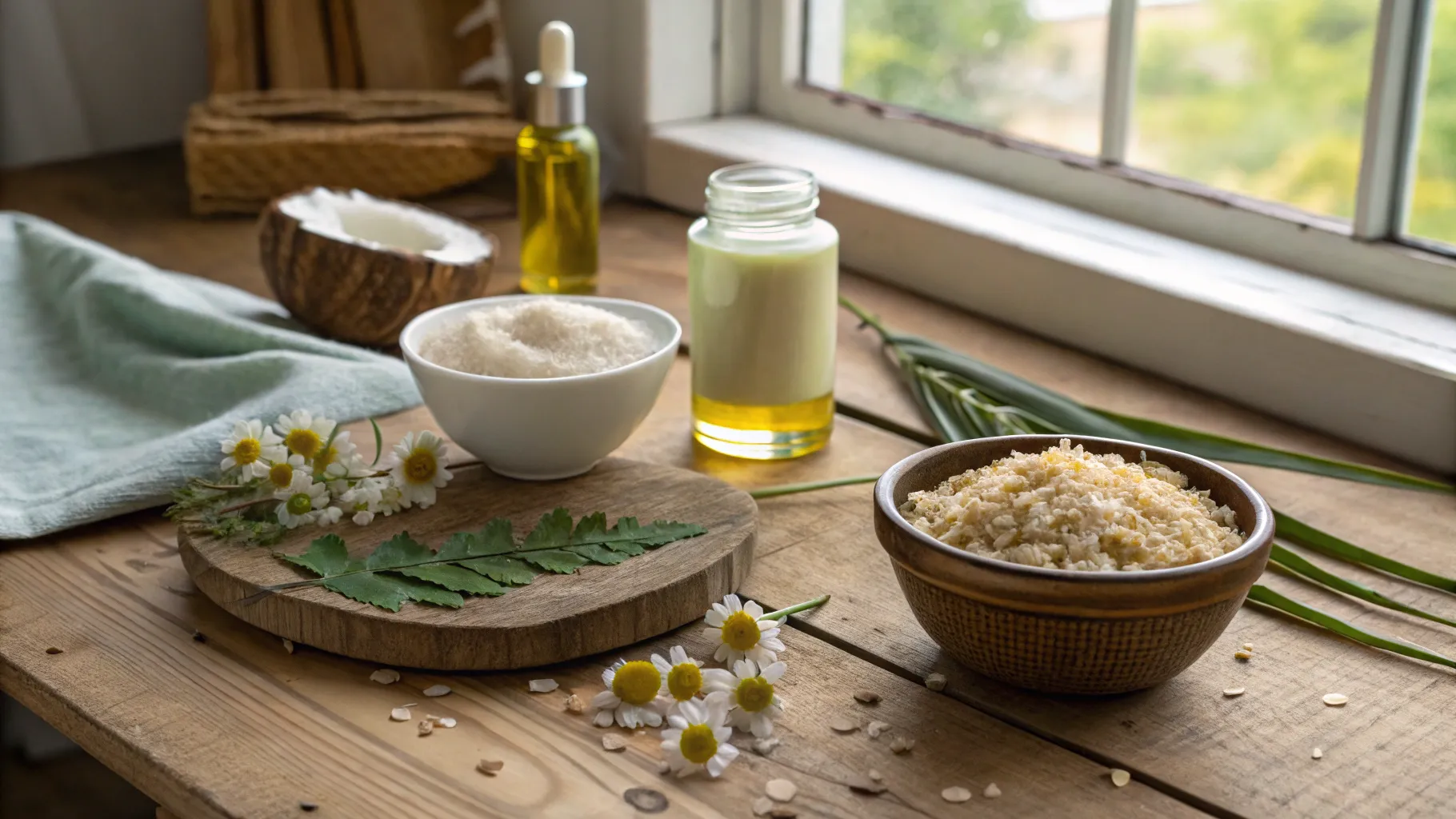
Top Plant-Based Natural Remedies for Eczema
Nature offers a wealth of ingredients that can provide significant relief for eczema-prone skin. These remedies work by hydrating, reducing inflammation, and protecting the skin barrier. Integrating them into your daily skincare can make a noticeable difference in the frequency and severity of flare-ups. Below are some of the most effective and widely used options.
Colloidal Oatmeal
For centuries, oatmeal has been used to soothe irritated skin. Colloidal oatmeal, which is finely ground oats, dissolves in water to create a milky, protective barrier. This barrier helps the skin retain moisture while its compounds, avenanthramides, provide anti-inflammatory and antioxidant benefits. Adding colloidal oatmeal to a lukewarm bath is one of the most classic natural remedies for eczema, providing immediate relief from itching.
Virgin Coconut Oil
Extracted from fresh coconuts, virgin coconut oil is an excellent moisturizer that can reduce skin dryness and scaling. Its primary fatty acid, lauric acid, has proven antimicrobial properties, which helps reduce the presence of bacteria, fungi, and viruses on the skin. This is particularly beneficial for eczema sufferers, as scratching can lead to skin infections. Applying it to damp skin after a bath can lock in moisture and protect against irritants, making it a staple among natural remedies for eczema.
Aloe Vera Gel
The clear gel from the aloe vera plant is renowned for its soothing and cooling properties. It contains vitamins, enzymes, and amino acids that help reduce inflammation and promote wound healing. For eczema, pure aloe vera gel can calm the intense itch and redness associated with a flare-up. Its antibacterial and antifungal properties also provide a layer of protection for broken skin, making it a safe and effective topical treatment.
Sunflower Seed Oil
Clinical research has shown that sunflower seed oil is effective at improving the skin's barrier function. It's rich in linoleic acid, an essential fatty acid that the body uses to create ceramides—the lipid molecules that help form the skin barrier. A strong barrier is crucial for retaining moisture and keeping out allergens and irritants. As a topical application, it is one of the most evidence-backed natural remedies for eczema for improving skin hydration without causing irritation.
Comparing Topical Steroids and Natural Eczema Treatments
When managing eczema, the conversation often involves a choice between conventional medical treatments, like topical steroids, and alternative approaches. Topical corticosteroids are highly effective at quickly reducing severe inflammation and are often prescribed for flare-ups. However, they can have side effects with long-term use, such as skin thinning and discoloration. In contrast, natural remedies for eczema offer a gentler path, focusing on long-term skin health and barrier support. While they may not provide the immediate, powerful anti-inflammatory effect of a steroid, they excel at daily management, hydration, and reducing the frequency of flare-ups. Many individuals find success using a combination of both: using natural remedies for eczema for daily maintenance and reserving prescribed treatments for severe episodes.
Practical Lifestyle Tips for Managing Eczema Naturally
Beyond topical applications, managing eczema effectively involves a holistic approach that considers diet, environment, and daily habits. These lifestyle adjustments can significantly reduce triggers and support your skin's health from the inside out.
- Adopt an Anti-Inflammatory Diet: Incorporate foods rich in omega-3 fatty acids, such as salmon and flaxseeds, and antioxidants found in berries and leafy greens. Consider identifying and avoiding personal food triggers like dairy or gluten, which can exacerbate inflammation.
- Manage Stress Levels: Stress is a well-known trigger for eczema flare-ups. Practices like meditation, yoga, deep breathing exercises, and getting adequate sleep can help regulate your body's stress response and, in turn, calm your skin.
- Choose Skin-Friendly Fabrics and Detergents: Opt for soft, breathable fabrics like 100% cotton and avoid scratchy materials like wool. Use a gentle, fragrance-free laundry detergent to prevent irritation from chemical residues on clothing and bedding.
- Maintain a Consistent Moisturizing Routine: Hydration is key. Moisturize your skin at least twice a day, especially after bathing, to lock in moisture. Using one of the aforementioned natural remedies for eczema, like coconut or sunflower oil, can be highly effective.
Frequently Asked Questions
Are natural remedies for eczema safe for babies?
Many natural remedies like colloidal oatmeal baths and sunflower oil are generally safe for babies. However, it is crucial to consult a pediatrician or dermatologist before introducing any new treatment to an infant's sensitive skin. Always perform a patch test to rule out any allergic reactions.
How quickly do natural remedies for eczema work?
The timeline for results varies greatly depending on the individual and the severity of their eczema. Some remedies, like a colloidal oatmeal bath, can provide immediate soothing relief from itching. Others, which focus on barrier repair, may take several weeks of consistent use to show a noticeable improvement in skin texture and resilience.
Can diet be considered one of the natural remedies for eczema?
Absolutely. Diet plays a significant role in managing systemic inflammation. Identifying and eliminating trigger foods while incorporating an anti-inflammatory diet rich in omega-3s, vitamins, and minerals can be a powerful strategy. It's a foundational part of a holistic approach to managing eczema from within.
References
- Journal of Dermatological Treatment
- National Eczema Association Publications
- International Journal of Molecular Sciences
- Pediatric Dermatology Journal