
Natural Remedies for Eczema: A Comprehensive Guide to Soothing Your Skin
Facts:
- Eczema affects nearly 31 million Americans.
- Growing trend towards plant-based skincare for sensitive conditions.
Exploring Gentle and Effective Natural Remedies for Eczema
Living with eczema means navigating a world of triggers that can lead to itchy, inflamed, and uncomfortable skin. While medical treatments are often necessary, many are turning to natural remedies for eczema to supplement their care routine, reduce reliance on steroids, and find gentle, sustainable relief. These nature-based solutions focus on moisturizing the skin, reducing inflammation, and strengthening the skin's protective barrier. This guide delves into the most effective natural remedies for eczema, providing a roadmap to help you calm your skin and manage flare-ups with confidence.
Topical Solutions: Direct Soothing with Natural Remedies for Eczema
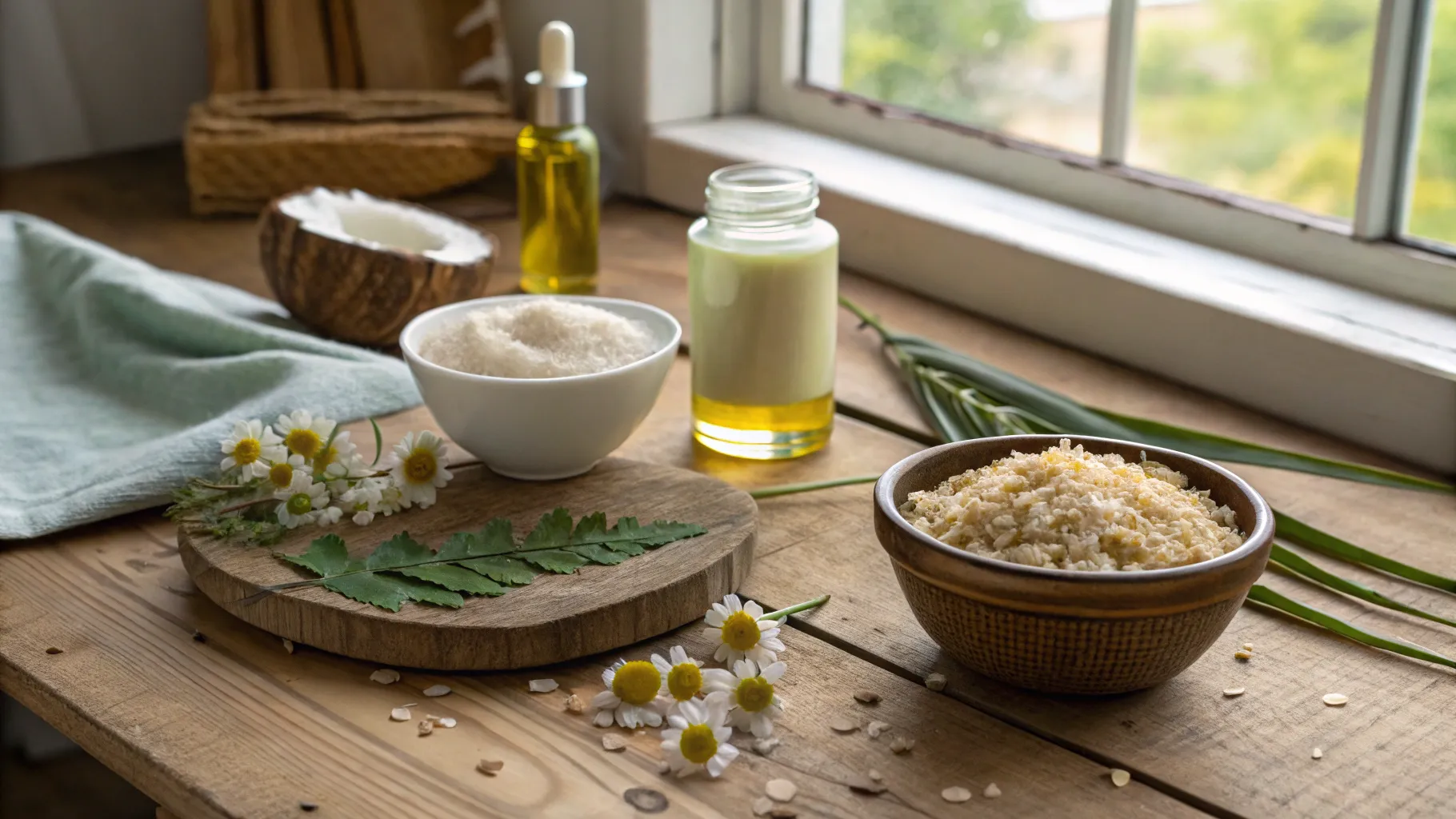
Applying remedies directly to the affected skin can provide immediate relief from itching and dryness. Many effective natural remedies for eczema work topically to hydrate and calm irritation. It is crucial to patch-test any new substance on a small area of skin first to ensure you do not have an adverse reaction. These remedies are often the first line of defense in a holistic approach to skin health.
Colloidal Oatmeal
Colloidal oatmeal, made from finely ground oats, has been used for centuries to soothe skin conditions. When added to a lukewarm bath, it creates a milky, protective barrier on the skin that locks in moisture and eases inflammation and itching. Its antioxidant and anti-inflammatory properties make it one of the most trusted natural remedies for eczema, especially for widespread flare-ups.
Virgin Coconut Oil
Extracted from fresh coconuts, virgin coconut oil is rich in fatty acids that can deeply moisturize dry skin. Its lauric acid content also gives it antibacterial properties, which helps reduce the risk of infection in skin that has been scratched open. Applying a thin layer of coconut oil after bathing can significantly improve skin hydration and reduce the severity of eczema symptoms. This makes it a go-to choice for those seeking simple yet powerful natural remedies for eczema.
Honey
Raw, unpasteurized honey, particularly Manuka honey, has impressive anti-inflammatory and antibacterial qualities. It can help heal broken skin, reduce the risk of secondary infections, and soothe inflammation. Applying a small amount directly to eczema patches for a short period before rinsing it off can be a beneficial treatment, positioning honey as a potent tool among natural remedies for eczema.
Dietary Adjustments for Eczema Management
What you eat can have a profound impact on inflammation throughout your body, including your skin. An anti-inflammatory diet is often recommended as one of the core natural remedies for eczema. This involves identifying and eliminating potential trigger foods while incorporating foods that fight inflammation. Common triggers can include dairy, gluten, eggs, and soy. Focusing on a diet rich in omega-3 fatty acids (found in fish like salmon), antioxidants (from colorful fruits and vegetables), and probiotics (in fermented foods like yogurt and kefir) can help calm the immune system's response and reduce eczema flare-ups from the inside out. Keeping a food diary is an excellent way to track how your diet affects your skin.
Lifestyle Habits that Complement Natural Remedies for Eczema
Beyond topical treatments and diet, certain lifestyle adjustments can make a significant difference. Stress is a well-known trigger for eczema, so incorporating stress-reduction techniques like meditation, yoga, or deep breathing exercises is essential. Choosing soft, breathable fabrics like cotton and avoiding wool or synthetic materials can prevent skin irritation. Additionally, using a humidifier in dry environments can help keep your skin hydrated. These practices work in synergy with other natural remedies for eczema to create a comprehensive management plan.
How to Safely Integrate Natural Remedies for Eczema
Successfully using natural remedies for eczema requires a careful and considered approach. Here is some actionable advice for getting started:
- Patch Test Everything: Before applying any new oil, cream, or substance to a large area, always test it on a small, discreet patch of skin (like the inside of your wrist) and wait 24-48 hours to check for any reaction.
- Consult a Professional: Always discuss your plans to use natural remedies for eczema with a dermatologist or healthcare provider. They can help you identify potential interactions with existing treatments and ensure your approach is safe.
- Choose High-Quality Products: Opt for pure, organic, and cold-pressed oils and butters whenever possible. The fewer additives and chemicals, the lower the risk of irritation. Quality is key for effective natural care.
- Be Consistent and Patient: Natural remedies often take longer to show results than prescription medications. Consistent use is crucial for seeing improvements in your skin's health over time.
Frequently Asked Questions
What are the most effective first-step natural remedies for eczema?
For individuals new to natural approaches, starting with colloidal oatmeal baths and applying a high-quality moisturizer like virgin coconut oil or shea butter immediately after bathing are excellent first steps. These foundational natural remedies for eczema focus on hydration and reducing inflammation, which are key to managing symptoms.
Can natural remedies for eczema cure the condition completely?
Eczema is a chronic condition, and there is currently no known cure. However, a consistent routine using effective natural remedies for eczema can significantly manage symptoms, reduce the frequency and severity of flare-ups, and improve overall skin health to the point where it becomes much less impactful on daily life.
Are natural remedies for eczema safe for babies and children?
Many natural remedies are safe for children, but their skin is more sensitive. It is absolutely essential to consult with a pediatrician before trying any new treatment. Remedies like colloidal oatmeal baths are generally considered safe and gentle, but ingredients like essential oils should be avoided or used with extreme caution under professional guidance.
References
- National Eczema Association: Complementary and Alternative Medicine.
- Journal of Dermatological Treatment: The role of diet in atopic dermatitis.
- International Journal of Molecular Sciences: Anti-Inflammatory and Skin Barrier Repair Effects of Topical Application of Some Plant Oils.
- American Academy of Dermatology: Eczema types, causes and treatment.