
Natural Remedies for Hair Loss: A Comprehensive Guide
Facts:
- Androgenetic alopecia affects up to 50% of males and females.
- A growing trend for people seeking natural remedies for hair loss.
Rediscovering Nature's Solutions for Hair Regrowth
The journey to combat hair loss often leads people down a path of chemical treatments and expensive procedures. However, a growing number of individuals are turning back to nature, seeking safe and effective natural remedies for hair loss that have been trusted for centuries. These solutions focus on nourishing the scalp, strengthening hair follicles, and creating an optimal environment for healthy growth. By harnessing the power of plants, oils, and essential nutrients, you can address the root causes of hair thinning without the harsh side effects associated with some conventional treatments. Exploring these natural remedies for hair loss offers a holistic approach to regaining not just your hair, but also your confidence.
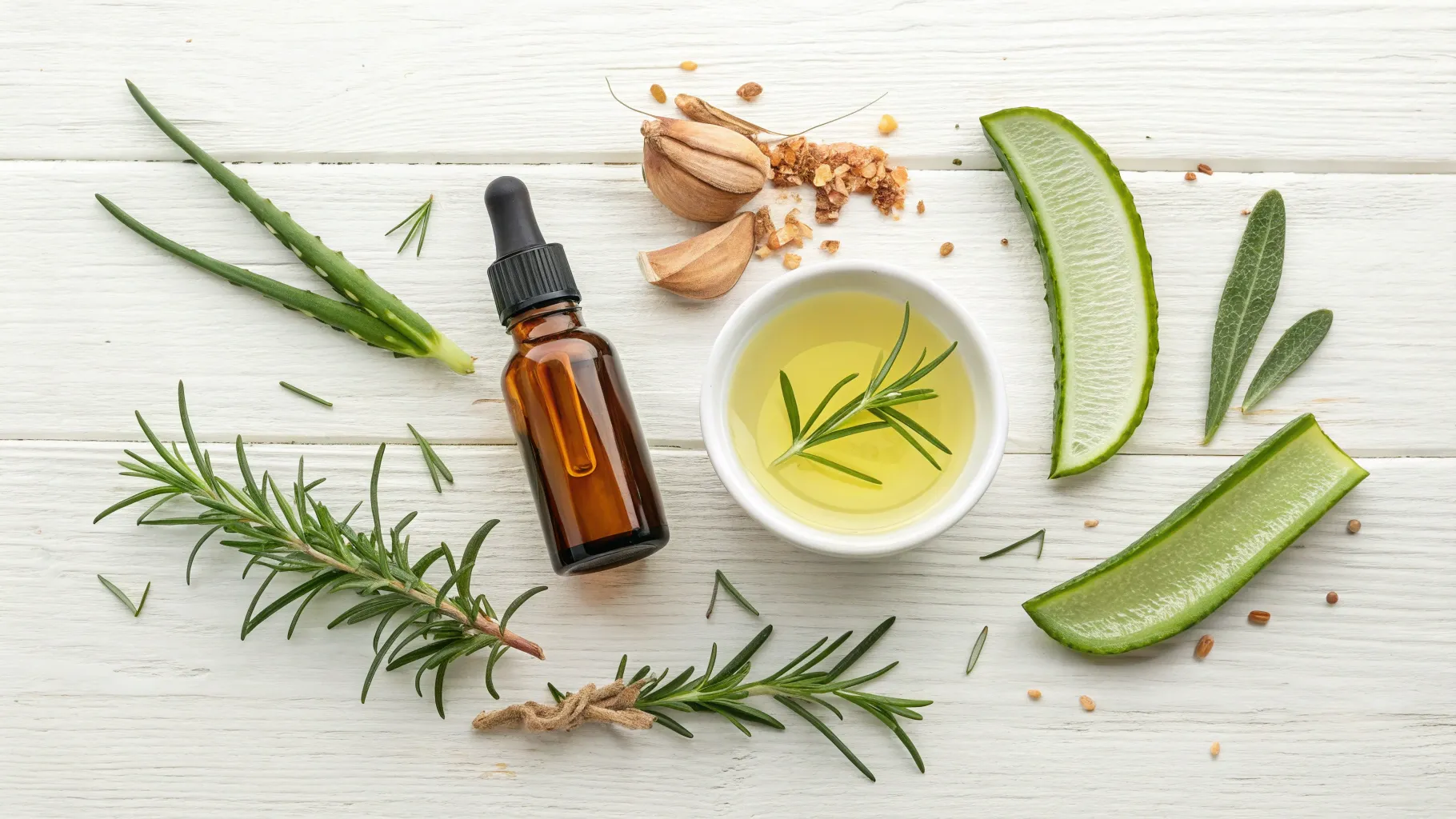
Top Essential Oils for Stimulating Hair Follicles
Essential oils are potent plant extracts that have been used in traditional medicine for various ailments, including as powerful natural remedies for hair loss. Their ability to improve circulation, reduce inflammation, and combat microbes on the scalp makes them invaluable. When using essential oils, it is crucial to dilute them with a carrier oil like coconut, jojoba, or olive oil to prevent skin irritation. A few drops are all that's needed to create a powerful treatment. Regular application through scalp massages can invigorate dormant hair follicles and encourage new, stronger hair to grow. Many find that incorporating these oils into their routine is a simple yet profound step in their hair care journey.
Rosemary Oil
Rosemary oil stands out as one of the most effective natural remedies for hair loss. Its properties are comparable to minoxidil, a common commercial hair growth treatment, but with fewer side effects like scalp itching. It is thought to work by improving circulation to the scalp, ensuring that hair follicles receive an adequate supply of blood and nutrients. Furthermore, its antioxidant properties help protect hair follicles from damage by free radicals. To use it, mix a few drops with a carrier oil and massage it into your scalp, leaving it on for at least 30 minutes before washing.
Peppermint Oil
The invigorating tingle of peppermint oil on the scalp is more than just a refreshing sensation. This essential oil increases circulation and stimulates hair follicles by increasing the depth and number of follicles in the anagen (growth) phase. Its menthol content causes vasodilation of the blood vessels, which boosts blood flow. This enhanced nutrient delivery makes it a potent component in the arsenal of natural remedies for hair loss. It's best used diluted in a carrier oil for a weekly scalp massage to awaken dormant follicles.
Lavender Oil
Beyond its calming aroma, lavender oil possesses properties that can generate faster hair growth. Studies on animal models have shown that lavender oil can significantly increase the number of hair follicles and deepen their roots. It also has antimicrobial and antibacterial properties, which can improve scalp health. For those whose hair loss is linked to stress, the calming effects of lavender can provide an additional benefit, making it a holistic choice among natural remedies for hair loss.
Powerful Plant-Based Solutions for Thinning Hair
Direct plant extracts and juices offer a wealth of vitamins, minerals, and enzymes that can directly benefit the scalp and hair. These fresh, unprocessed treatments are easily absorbed and can provide immediate nourishment. Using these natural remedies for hair loss involves applying them directly to the scalp as masks or rinses. They work to cleanse the scalp, balance pH levels, and provide the building blocks necessary for robust hair growth. Consistency is key when using these natural solutions to see tangible results.
Aloe Vera
Aloe vera has long been a go-to for soothing skin, and its benefits extend to scalp health. It contains proteolytic enzymes that repair dead skin cells on the scalp, acting as a great conditioner and leaving your hair smooth and shiny. It also helps to reduce dandruff and unblock hair follicles that may be clogged by excess oil. Applying pure aloe vera gel directly to your scalp and hair can make a significant difference, solidifying its place as a gentle yet effective option among natural remedies for hair loss.
Onion Juice
While the smell might be off-putting for some, the benefits of onion juice for hair are well-documented. Onions are rich in dietary sulfur, a nutritional element our bodies need. Sulfur is found in amino acids, which are components of protein. Keratin, which is sulfur-rich, is the protein hair is made of. The sulfur from onion juice may provide the nourishment needed for hair regeneration, making it one of the most surprising but potent natural remedies for hair loss. Applying the juice to the scalp can boost circulation and promote collagen production.
The Foundational Role of Diet in Hair Health
While topical treatments are beneficial, true hair health starts from within. The condition of your hair is often a direct reflection of your overall nutrition. A diet lacking in essential vitamins, minerals, and proteins can lead to weak, brittle hair and eventually, hair loss. Therefore, a balanced diet is perhaps the most crucial of all natural remedies for hair loss. Ensuring your body has the necessary building blocks is fundamental to growing strong, resilient hair. Key nutrients to focus on include iron, zinc, biotin, and a sufficient intake of high-quality protein from sources like lean meats, fish, beans, and nuts.
How to Integrate Natural Remedies for Hair Loss Into Your Routine
Consistency is the most important factor for success when using natural remedies for hair loss. Creating a simple, sustainable weekly routine will yield the best results over time. Rather than viewing it as a chore, consider it a relaxing self-care ritual.
- Twice-Weekly Scalp Massage: Before washing your hair, spend 5-10 minutes massaging a carrier oil infused with rosemary or peppermint oil into your scalp. Use your fingertips to apply gentle, circular pressure. This stimulates blood flow and helps the oils penetrate deeply.
- Weekly Nourishing Mask: Dedicate one day a week to applying a hair mask. A mixture of fresh aloe vera gel and a tablespoon of coconut oil can work wonders. Apply it from root to tip, leave it on for an hour, and then wash it out.
- Nutrient-Rich Diet Everyday: Make a conscious effort to include hair-healthy foods in every meal. Add spinach to your smoothies for iron, snack on almonds for biotin and vitamin E, and ensure you have a good protein source at lunch and dinner. This is the foundation of all natural remedies for hair loss.
- Gentle Hair Handling: Avoid tight hairstyles that pull on the roots, and use a wide-tooth comb on wet hair. Reducing physical stress on your hair follicles is a simple but effective preventative measure.
Frequently Asked Questions
How long does it take for natural remedies for hair loss to work?
Results from natural remedies for hair loss vary from person to person. Generally, it can take anywhere from three to six months of consistent use to see noticeable improvements in hair thickness and a reduction in hair fall. Patience and consistency are crucial.
Are there any side effects to using natural remedies for hair loss?
While generally safe, some individuals may experience allergic reactions or skin irritation, especially with essential oils or onion juice. It is always recommended to perform a patch test on a small area of skin 24 hours before applying any new remedy to your entire scalp.
Can I combine different natural remedies for hair loss?
Yes, combining remedies can often be more effective. For example, you can use a rosemary oil scalp massage twice a week and an aloe vera hair mask once a week. Supporting these topical treatments with a balanced, nutrient-rich diet creates a powerful, multi-faceted approach to improving hair health.
References
- International Journal of Trichology
- Journal of Dermatological Treatment
- Skinmed Journal
- Evidence-Based Complementary and Alternative Medicine