
Natural Remedies for Hair Loss: An Ultimate Guide
Facts:
- Genetics can be a major factor in hair loss.
- Scalp care is a top beauty trend for promoting hair growth.
Harnessing Nature's Pharmacy: Your First Step Against Hair Thinning
Experiencing hair loss can be distressing, but before turning to harsh chemical treatments, it's worth exploring the powerful solutions nature has to offer. The world of natural remedies for hair loss is vast and backed by both traditional wisdom and emerging scientific research. These remedies focus on nourishing the scalp, strengthening follicles, and creating an optimal environment for healthy hair growth. By addressing root causes like poor circulation, hormonal imbalances, and nutritional deficiencies, natural remedies for hair loss provide a holistic approach to regaining your hair's vitality and density. This guide will delve into the most effective botanicals, oils, and lifestyle changes to help you on your journey.
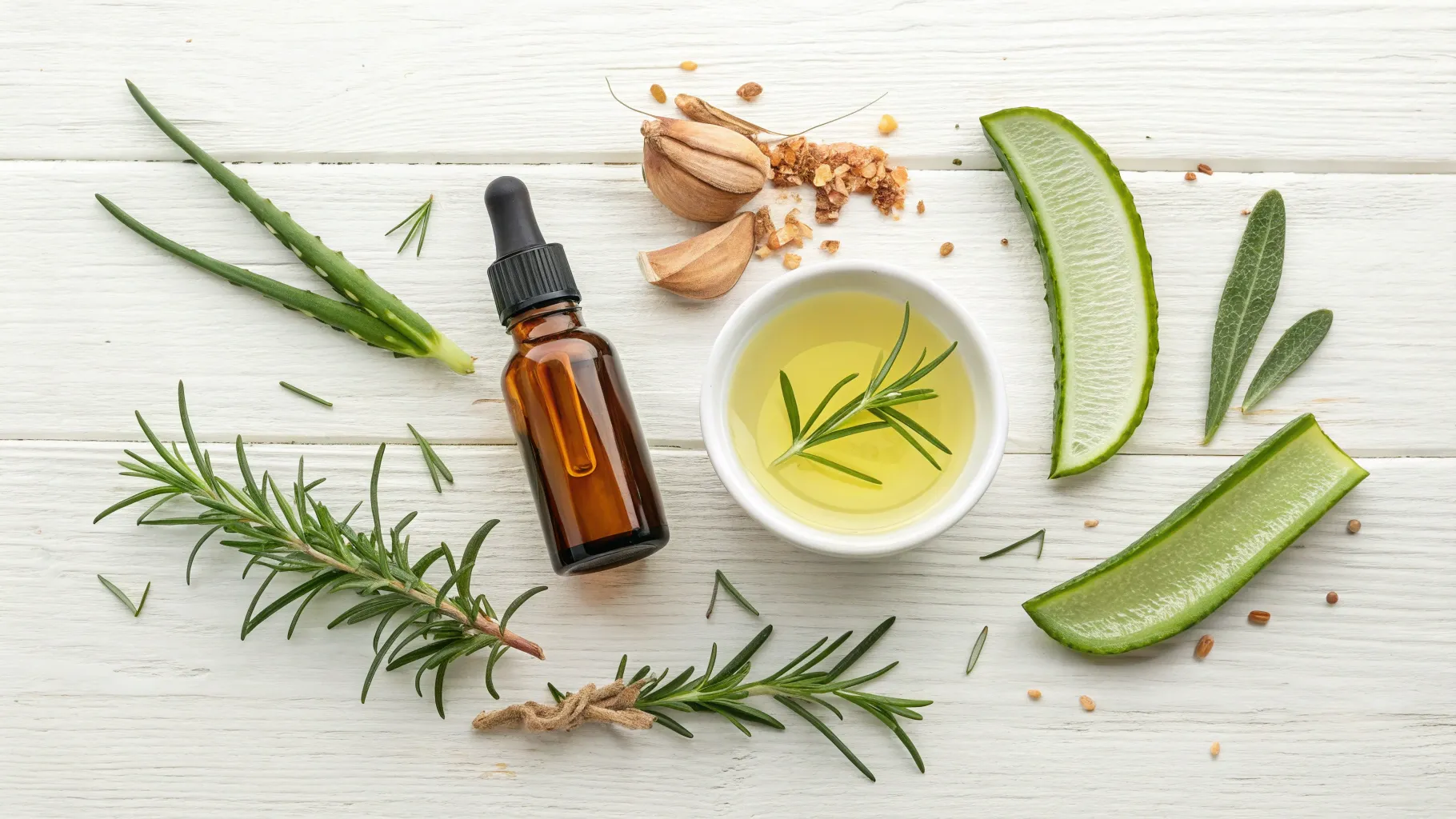
Top Botanical Extracts and Oils for Hair Regrowth
Many plants and their extracts have been used for centuries to combat hair thinning. These potent natural remedies for hair loss work by stimulating blood flow to the scalp, providing essential nutrients, or blocking hormones linked to hair loss. Integrating them into your routine can make a significant difference.
Rosemary Oil
Often compared to minoxidil (the active ingredient in many commercial hair growth products), rosemary oil is a star player among natural remedies for hair loss. It is believed to improve circulation in the scalp, which ensures that hair follicles receive an adequate supply of blood and nutrients. Better circulation can prevent follicles from being starved, which leads to their death and subsequent hair loss. To use it, mix a few drops with a carrier oil like coconut or jojoba oil and massage it directly into your scalp. Let it sit for at least 30 minutes before washing it out.
Peppermint Oil
The invigorating tingle of peppermint oil on the scalp is more than just refreshing; it's a sign of increased micro-circulation. This essential oil is a powerful vasodilator, meaning it helps to widen blood vessels. When applied to the scalp (always diluted in a carrier oil), it can significantly boost blood flow, awaken dormant hair follicles, and promote a healthier growth phase. Its antiseptic properties also help in maintaining a clean and healthy scalp, which is fundamental for any hair growth strategy involving natural remedies for hair loss.
Saw Palmetto
Saw palmetto is a plant extract frequently cited in discussions about natural remedies for hair loss, particularly for androgenetic alopecia (pattern baldness). Its primary mechanism is believed to be its ability to block 5-alpha-reductase, an enzyme that converts testosterone into dihydrotestosterone (DHT). DHT is the hormone responsible for shrinking hair follicles, leading to hair loss in genetically predisposed individuals. While more research is needed, existing studies and anecdotal evidence suggest it can be an effective component of a hair care regimen.
Nutritional Strategies: Feeding Your Follicles from Within
True hair health begins on the inside. What you eat has a direct impact on the strength, growth, and appearance of your hair. A diet lacking in key vitamins and minerals can be a primary contributor to hair thinning, making nutritional support one of the most critical natural remedies for hair loss. Hair follicles are made of rapidly dividing cells that require a steady stream of nutrients to function properly. Deficiencies in iron, biotin, protein, and zinc are commonly linked to hair loss. Therefore, a balanced diet rich in these components is non-negotiable for anyone seeking to improve their hair's condition.
Actionable Scalp Care: The Foundation of Healthy Hair
A healthy scalp is the fertile ground from which healthy hair grows. Neglecting scalp health can lead to inflammation, clogged follicles, and dandruff, all of which can impede hair growth. Implementing a dedicated scalp care routine is one of the most practical natural remedies for hair loss you can adopt.
- Regular Scalp Massage: Massaging your scalp for just a few minutes each day can significantly increase blood flow to the hair follicles. This can be done with your fingertips or a scalp massaging tool. It not only promotes growth but also helps to reduce stress, another contributor to hair loss.
- Gentle and Proper Cleansing: Use a gentle, sulfate-free shampoo to avoid stripping your scalp of its natural oils. Over-washing or using harsh products can cause irritation and dryness, creating an unhealthy environment for hair. Focus on cleansing the scalp rather than the lengths of your hair.
- Avoid Chemical Buildup: Heavy styling products, dry shampoos, and conditioners can build up on the scalp, clogging follicles and hindering growth. Incorporate a clarifying shampoo or a natural rinse like apple cider vinegar once a week to remove buildup and restore your scalp's pH balance.
Lifestyle Adjustments to Support Hair Growth
Beyond topical treatments and diet, your daily habits play a crucial role. Chronic stress, lack of sleep, and smoking can all negatively impact your hair cycle. Managing stress through practices like meditation, yoga, or regular exercise is a powerful, though indirect, part of a strategy using natural remedies for hair loss. Stress elevates cortisol levels, which can push hair follicles into the 'resting' phase prematurely, leading to increased shedding. Similarly, adequate sleep is when your body undertakes most of its cellular repair, including the regeneration of hair follicle cells. Aiming for 7-9 hours of quality sleep per night can support your hair growth goals.
Creating a Synergistic Hair Care Routine
The most effective approach often involves combining several natural remedies for hair loss. A single remedy may not be a magic bullet, but a consistent, multi-faceted routine can yield impressive results. For instance, you could combine a nutrient-rich diet with weekly rosemary oil scalp massages and daily stress-reduction techniques. Consistency is key. It takes time for hair follicles to respond to these changes, so patience and persistence over several months are necessary to see visible improvements. Listen to your body and scalp, and adjust your routine as needed to find the perfect combination of natural remedies for hair loss that works for you.
Frequently Asked Questions
How long does it take for natural remedies for hair loss to work?
Results vary depending on the individual, the cause of hair loss, and consistency of use. Generally, it can take anywhere from three to six months of consistent application and lifestyle changes to notice a visible difference in hair thickness and shedding. The hair growth cycle is a slow process, so patience is crucial.
Are there any side effects to using natural remedies for hair loss?
While generally safer than chemical treatments, some individuals may experience side effects. Essential oils, for example, can cause skin irritation or allergic reactions if not properly diluted. It's always recommended to perform a patch test on a small area of skin before applying any new substance to your entire scalp.
Can diet alone reverse hair loss?
If hair loss is directly caused by a nutritional deficiency, improving your diet can significantly help and may even reverse the issue. However, for hair loss caused by genetic or hormonal factors, diet alone is unlikely to be a complete cure but is a vital supportive component of a broader treatment plan that includes other natural remedies for hair loss.
References
- Journal of Dermatological Treatment
- International Journal of Trichology
- National Center for Biotechnology Information (NCBI) studies on herbal extracts
- Skinmed Journal: Rosemary oil vs minoxidil 2% for the treatment of androgenetic alopecia