Natural Remedies for Hair Loss: A Comprehensive Guide to Regrowth
Facts:
- Genetics are a primary cause of hair loss.
- Essential oils are a growing trend for natural remedies for hair loss.
Understanding the Root Causes and Natural Solutions for Hair Thinning
Hair loss is a common concern that affects millions of people worldwide, impacting self-esteem and confidence. While genetics play a significant role, factors like stress, diet, and hormonal imbalances can also contribute to thinning hair. Many individuals are now turning towards natural remedies for hair loss to avoid harsh chemicals and potential side effects associated with conventional treatments. These natural approaches focus on nourishing the scalp, strengthening hair follicles, and creating an optimal environment for healthy growth. By harnessing the power of plants, oils, and essential nutrients, it is possible to effectively combat hair loss and encourage thicker, fuller hair over time. Exploring these options provides a holistic way to care for your hair from the inside out.
Top Plant-Based Natural Remedies for Hair Loss
Nature offers a potent arsenal of ingredients that have been used for centuries to promote hair health. These plant-based solutions are rich in vitamins, minerals, and antioxidants that target the underlying causes of hair loss. Unlike synthetic products, these natural remedies for hair loss work gently to restore balance to your scalp and fortify your hair from root to tip. Integrating them into your regular hair care routine can yield impressive results without exposing your body to unnecessary chemicals.
Rosemary Oil for Scalp Circulation
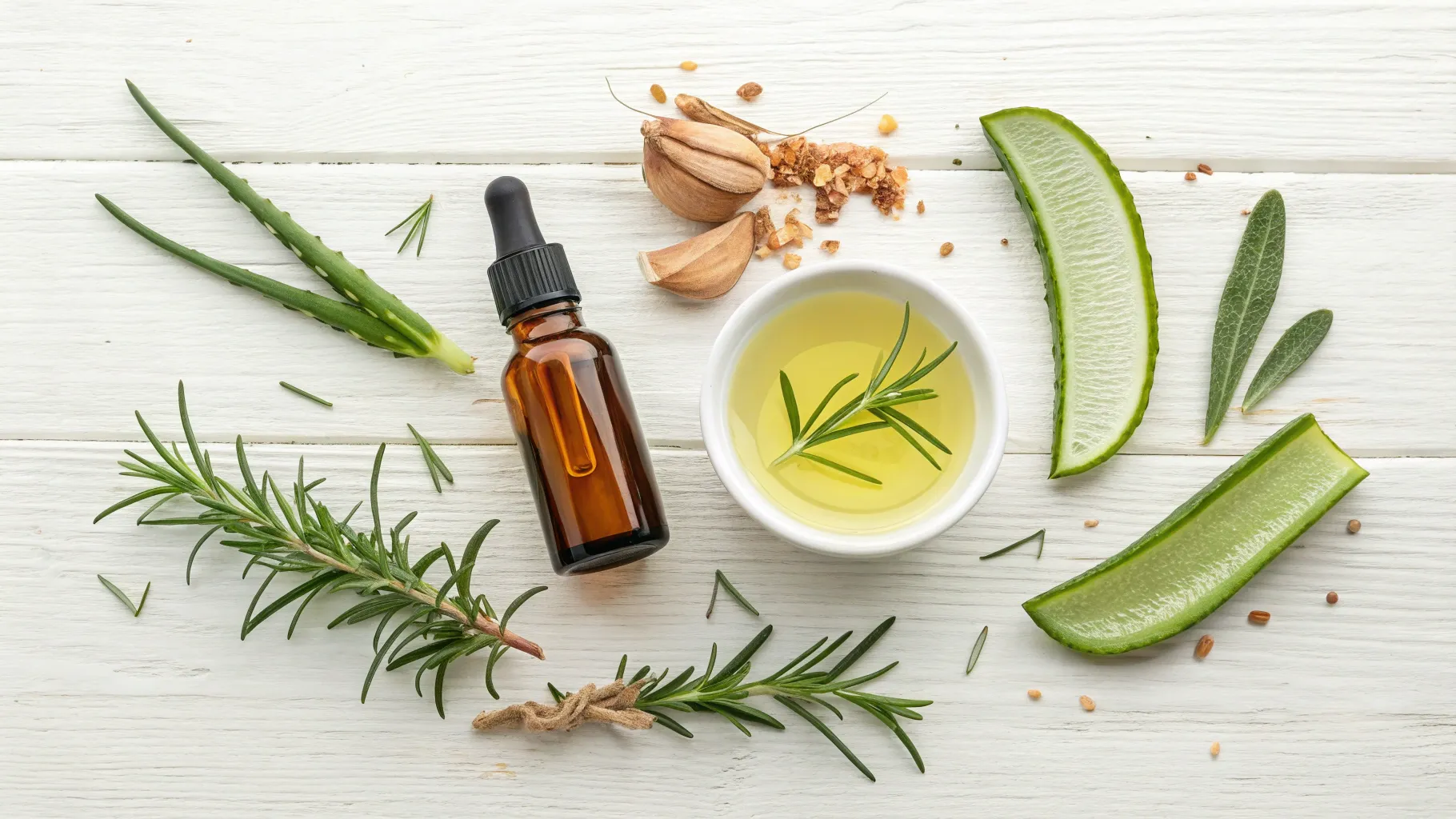
Rosemary oil is one of the most celebrated natural remedies for hair loss. It functions by improving circulation to the scalp, which in turn ensures that hair follicles receive an adequate supply of oxygen and nutrients. This process can stimulate new growth and even prevent premature graying. Some studies have shown its efficacy to be comparable to minoxidil, a popular conventional treatment, but with less scalp itching as a side effect. To use it, simply mix a few drops with a carrier oil like coconut or jojoba oil and massage it into your scalp, leaving it on for at least 30 minutes before washing.
Aloe Vera for Scalp Health
Aloe vera is renowned for its soothing and healing properties. It contains proteolytic enzymes that repair dead skin cells on the scalp, unblocking hair follicles and promoting healthy growth. Its alkalizing properties can also help restore the scalp's pH balance, reducing dandruff and scalp irritation, which can contribute to hair loss. Applying pure aloe vera gel directly to your scalp and hair can be a refreshing and effective treatment. It acts as a fantastic conditioner, leaving your hair smooth and shiny while serving as an effective component among natural remedies for hair loss.
Onion Juice: A Surprising Ally
Though the smell may be off-putting, onion juice is a powerful and time-tested remedy. It is rich in dietary sulfur, a key component of keratin, the protein that makes up hair. Applying onion juice to the scalp can improve blood circulation and provide the follicles with the nourishment they need to produce strong, thick hair. Its antibacterial properties also help keep the scalp free from infections that might hinder growth. Many users report significant improvements after consistent use, making it a noteworthy addition to the list of natural remedies for hair loss.
The Role of Carrier Oils in Hair Regrowth
Carrier oils are essential for safely applying potent essential oils to the scalp, but they also offer their own substantial benefits. These plant-based oils are packed with fatty acids, vitamins, and minerals that moisturize the scalp and hair shaft, preventing breakage and creating a healthy foundation for growth. When seeking natural remedies for hair loss, using the right carrier oil can amplify the effects of your treatment. Coconut oil, for instance, is known for its ability to penetrate the hair shaft and prevent protein loss, while castor oil is rich in ricinoleic acid, which is believed to stimulate hair follicles.
Lifestyle Adjustments to Support Hair Growth
While topical treatments are beneficial, a holistic approach is often the most effective. Your daily habits and diet play a crucial role in the health of your hair. A balanced diet rich in iron, zinc, protein, and vitamins A, C, and E is fundamental. Managing stress through practices like yoga, meditation, or regular exercise can also have a profound impact, as high cortisol levels are linked to hair shedding. Furthermore, adopting gentle hair care practices, such as avoiding tight hairstyles and excessive heat styling, can prevent unnecessary breakage and support the efficacy of your chosen natural remedies for hair loss.
Creating Your Own Potent Hair Mask: A Step-by-Step Guide
A homemade hair mask is an excellent way to combine several powerful ingredients into one nourishing treatment. This allows you to customize a solution specifically for your hair's needs. Here is a simple guide to creating a mask using popular natural remedies for hair loss.
- Step 1: Choose Your Base. Start with a nourishing carrier oil like coconut oil or a hydrating ingredient like aloe vera gel or yogurt. This will form the main consistency of your mask.
- Step 2: Add Active Ingredients. Mix in your primary active ingredients. This could be a few tablespoons of onion juice for sulfur content, a few drops of rosemary essential oil for circulation, or mashed fenugreek seed paste for protein.
- Step 3: Application and Timing. Apply the mixture thoroughly to your scalp and hair, massaging it in for a few minutes to stimulate blood flow. Cover your hair with a shower cap and leave the mask on for at least 30 minutes to an hour before rinsing it out with a mild shampoo.
Comparing Natural vs. Conventional Treatments
When facing hair loss, it's important to understand your options. Conventional treatments like minoxidil and finasteride are FDA-approved and have been clinically proven to be effective for many. However, they can come with side effects and often require continuous use to maintain results. On the other hand, natural remedies for hair loss offer a gentler approach, focusing on overall scalp health and nourishment. While results may take longer to become apparent and can vary more between individuals, they often come with fewer side effects and contribute to the overall health of your hair and body. The choice between them depends on the severity of hair loss, personal preference, and consultation with a healthcare professional.
Frequently Asked Questions
How long does it take for natural remedies for hair loss to work?
Patience is key. Results from natural remedies for hair loss can vary widely among individuals. Generally, you may start to see improvements in hair texture and a reduction in shedding within 2 to 4 months of consistent use, with more significant growth becoming noticeable after 6 months.
Can diet alone improve hair thickness?
Diet plays a foundational role in hair health. A nutrient-rich diet can significantly improve hair thickness and strength. However, for those with hair loss caused by specific factors like genetics or hormonal issues, diet alone may not be enough, and it should be combined with targeted topical natural remedies for hair loss.
Are there any side effects to using natural remedies for hair loss?
While generally safer than chemical treatments, natural remedies are not entirely without risk. Allergic reactions or skin sensitivities can occur. It is crucial to perform a patch test on a small area of skin before applying any new oil or plant extract to your entire scalp.
References
- Journal of Dermatological Treatment
- International Journal of Trichology
- National Center for Biotechnology Information Studies