
Effective Natural Remedies for High Cholesterol: A Comprehensive Guide
Facts:
- High LDL cholesterol affects nearly 2 in 5 adults globally.
- Consumer interest in plant-based diets as a remedy is growing rapidly.
Harnessing Nature's Power to Manage Your Cholesterol Levels
Managing high cholesterol is a crucial step towards maintaining cardiovascular health, and many are turning towards effective natural remedies for high cholesterol. While prescription medications are a common solution, a holistic approach incorporating diet, lifestyle, and specific natural supplements can offer significant benefits. This guide explores the most well-researched and potent natural remedies for high cholesterol, providing you with actionable strategies to support your heart health and regain control over your lipid profile without solely relying on pharmaceuticals.
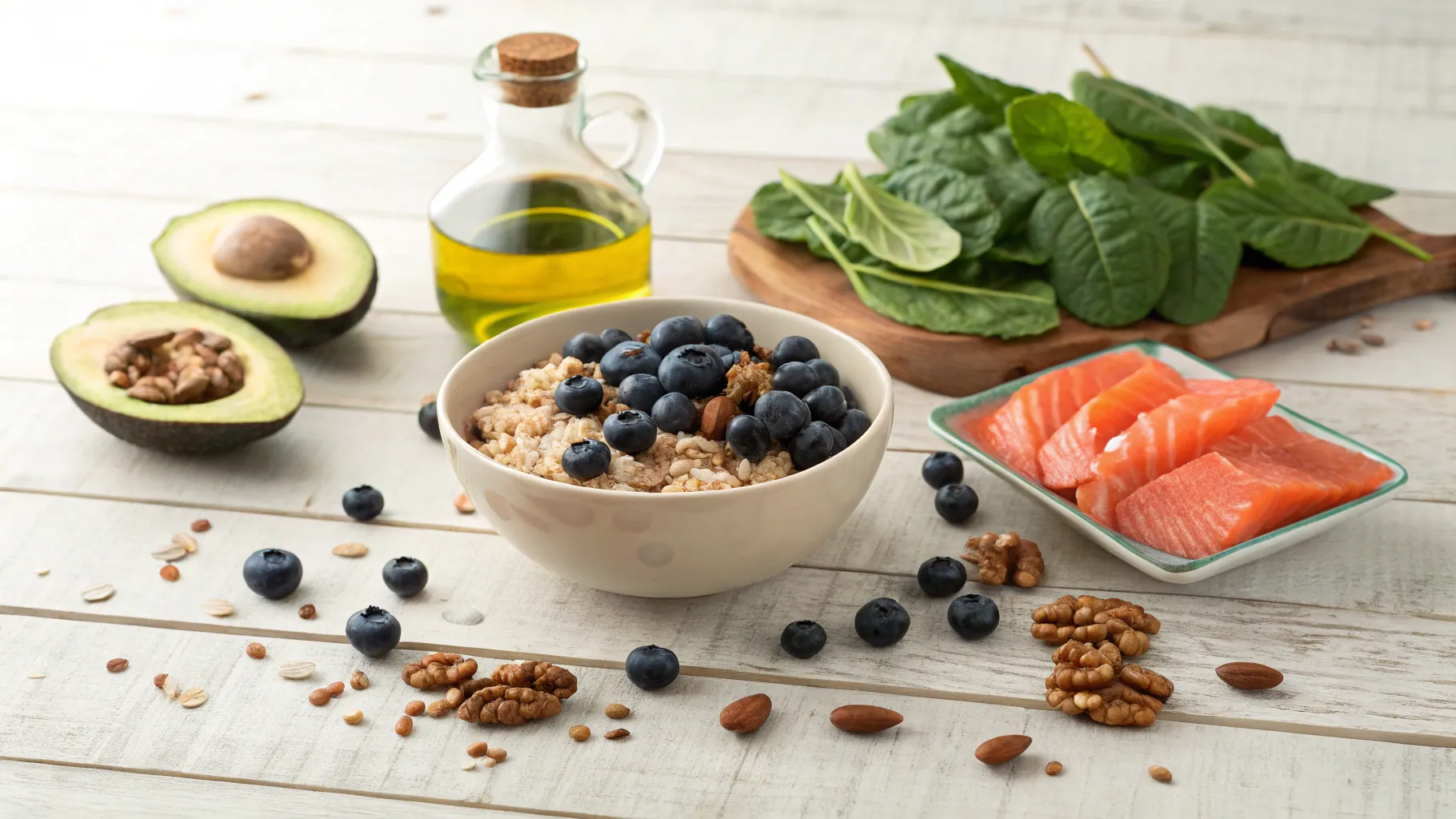
Dietary Foundations: The Best Foods for Lowering Cholesterol
Incorporate More Soluble Fiber
Soluble fiber is a powerhouse when it comes to lowering LDL (the "bad") cholesterol. It works by binding with cholesterol particles in the digestive system and removing them from the body before they get absorbed into the bloodstream. Foods rich in soluble fiber include oats, barley, apples, citrus fruits, carrots, and legumes like beans and lentils. Making oatmeal a regular part of your breakfast is one of the simplest natural remedies for high cholesterol you can adopt. Consistently including these foods in your diet can lead to a noticeable reduction in cholesterol levels over time.
Focus on Heart-Healthy Fats
Not all fats are created equal. Replacing saturated and trans fats with unsaturated fats is a cornerstone of managing cholesterol. Monounsaturated fats, found in olive oil, avocados, and nuts, can help lower LDL while maintaining or even increasing HDL (the "good") cholesterol. Polyunsaturated fats, particularly omega-3 fatty acids, are also vital. Found in fatty fish like salmon, mackerel, and sardines, as well as in flaxseeds, chia seeds, and walnuts, omega-3s reduce triglycerides and lower blood pressure, making them excellent natural remedies for high cholesterol and overall heart health.
Utilize Plant Sterols and Stanols
Plant sterols and stanols are compounds found naturally in small amounts in many plant-based foods. They have a structure similar to cholesterol and work by blocking the absorption of cholesterol from the intestine. While they occur naturally, many foods are now fortified with them, including certain margarines, orange juices, and yogurts. Incorporating these fortified foods can be one of the most direct natural remedies for high cholesterol, with studies showing they can lower LDL cholesterol by up to 10%.
Herbal Supplements with Cholesterol-Lowering Potential
While diet is foundational, certain supplements can provide additional support. When considering herbal options, it's crucial to choose high-quality products and consult a healthcare provider, as some can interact with medications. These supplements are often considered powerful additions to a comprehensive plan of natural remedies for high cholesterol.
Artichoke Leaf Extract
Artichoke leaf extract has been studied for its ability to lower cholesterol. It's believed to work by limiting the synthesis of cholesterol in the body and increasing its excretion through bile. Some research suggests it can modestly reduce both total and LDL cholesterol. As with any supplement, it's essential to consult a healthcare provider before adding it to your regimen, but it represents a promising option among natural remedies for high cholesterol.
Psyllium Husk
Psyllium is a form of soluble fiber derived from the husks of Plantago ovata seeds. It's commonly used as a bulk-forming laxative but is also a highly effective tool for cholesterol management. When taken with water, it forms a gel in the digestive tract that traps and helps excrete cholesterol. Numerous studies have confirmed that psyllium can significantly lower both total and LDL cholesterol, making it a well-established and accessible choice for those seeking natural remedies for high cholesterol.
Lifestyle Adjustments: Beyond Diet and Supplements
Embrace Regular Physical Activity
Exercise is a critical component of any heart-healthy plan. Regular moderate-intensity aerobic activity, such as brisk walking, swimming, or cycling, can help raise HDL cholesterol while also contributing to weight loss and lower blood pressure. The benefits of exercise extend far beyond cholesterol management, making it a foundational element of overall wellness and one of the most impactful natural remedies for high cholesterol. Aim for at least 150 minutes of moderate-intensity exercise per week.
Maintain a Healthy Weight
Carrying excess weight, particularly around the abdomen, can contribute to high cholesterol levels and other metabolic issues. Losing even a modest amount of weight—as little as 5 to 10 percent of your body weight—can have a significant positive effect on your lipid profile. Weight loss is often a natural result of the dietary and exercise changes recommended as natural remedies for high cholesterol, creating a synergistic effect that boosts heart health and reduces cardiovascular risk.
Actionable Steps for Integrating Natural Remedies
Creating a sustainable plan is key to successfully using natural remedies for high cholesterol. Here are some actionable steps you can take:
- Start with Small, Consistent Changes: Instead of overhauling your entire diet overnight, begin by adding one heart-healthy food, like a daily bowl of oatmeal or a handful of almonds. Small changes are more likely to become lasting habits.
- Read Food Labels Carefully: Pay close attention to saturated fat, trans fat, and sugar content. Choose foods with high fiber and unsaturated fats. This empowers you to make informed decisions that support your cholesterol goals.
- Plan Your Meals and Exercise: Schedule your workouts just as you would any other important appointment. Plan your meals for the week to ensure you have plenty of cholesterol-friendly options on hand and aren't tempted by less healthy convenience foods.
- Consult with a Healthcare Professional: Before starting any new supplement or making drastic dietary changes, talk to your doctor or a registered dietitian. They can provide personalized advice and ensure the natural remedies for high cholesterol you choose are safe and appropriate for you.
Frequently Asked Questions
Can natural remedies for high cholesterol replace statin medications?
For some individuals with borderline-high cholesterol, lifestyle and dietary changes may be enough to bring levels into a healthy range. However, for those with very high cholesterol or other risk factors, natural remedies should be seen as a complement to, not a replacement for, prescribed medications like statins. Always consult your doctor before stopping any prescribed treatment.
How long does it take for natural remedies for high cholesterol to work?
The timeframe for seeing results can vary depending on the remedy and the individual. Dietary changes, like increasing soluble fiber, can show a modest effect within a few weeks. More significant changes from diet and exercise may take 3 to 6 months to become apparent in blood tests. Consistency is the most important factor for success when using natural remedies for high cholesterol.
Are there any risks associated with natural remedies for high cholesterol?
Yes, some natural remedies can have side effects or interact with medications. For example, red yeast rice contains a compound similar to statins and can have similar side effects. Some herbal supplements can interact with blood thinners or other drugs. It is crucial to discuss any supplements or significant lifestyle changes with a healthcare provider to ensure they are safe for your specific health situation.
References
- The Role of Soluble Fiber in Cholesterol Management
- Omega-3 Fatty Acids and Cardiovascular Health: A Review
- Lifestyle Modification for the Primary Prevention of High Cholesterol
- Plant Sterols and Stanols in the Management of Dyslipidemia