
A Comprehensive Guide to Natural Remedies for Hormonal Imbalance
Facts:
- Certain plant-based foods contain phytoestrogens that can influence hormones.
- Managing cortisol through stress reduction is a growing trend for hormonal health.
Understanding the Root Causes of Hormonal Disruption
Hormonal imbalance occurs when there is too much or too little of a hormone in the bloodstream. Because of their essential role in the body, even small imbalances can cause side effects throughout the body. For many, seeking out natural remedies for hormonal imbalance is a proactive first step towards restoring equilibrium and enhancing overall wellness. These approaches focus on holistic lifestyle changes, diet, and herbal support to address the underlying issues rather than just masking symptoms, offering a sustainable path to feeling your best.
Dietary Strategies: The Foundation of Hormonal Health
What you eat has a direct and profound impact on your hormonal production and regulation. Creating a diet rich in nutrient-dense foods is one of the most effective natural remedies for hormonal imbalance. This involves not just adding beneficial foods but also being mindful of what to limit, such as processed sugars, refined carbohydrates, and unhealthy fats, which can all contribute to hormonal disruption and inflammation. A consistent, hormone-supportive diet provides the building blocks your body needs for optimal function.
Incorporate Nutrient-Dense Healthy Fats
Healthy fats are crucial for hormone production, as hormones like estrogen and testosterone are synthesized from cholesterol. Sources such as avocados, nuts (especially walnuts and almonds), seeds (chia, flax, and hemp), and olive oil provide essential fatty acids that reduce inflammation and support cellular health. Omega-3 fatty acids, found in fatty fish like salmon, are particularly important for balancing hormones and supporting brain function, making them a cornerstone of any plan involving natural remedies for hormonal imbalance.
Prioritize Cruciferous Vegetables and Fiber
Vegetables like broccoli, cauliflower, kale, and Brussels sprouts contain a compound called indole-3-carbinol, which helps the body metabolize estrogen more effectively. This is critical for maintaining a healthy balance between estrogen and progesterone. Furthermore, the high fiber content in these vegetables, along with fruits and whole grains, supports gut health and ensures the proper elimination of excess hormones from the body, a key mechanism for preventing hormonal buildup.
Herbal Support for Endocrine System Regulation
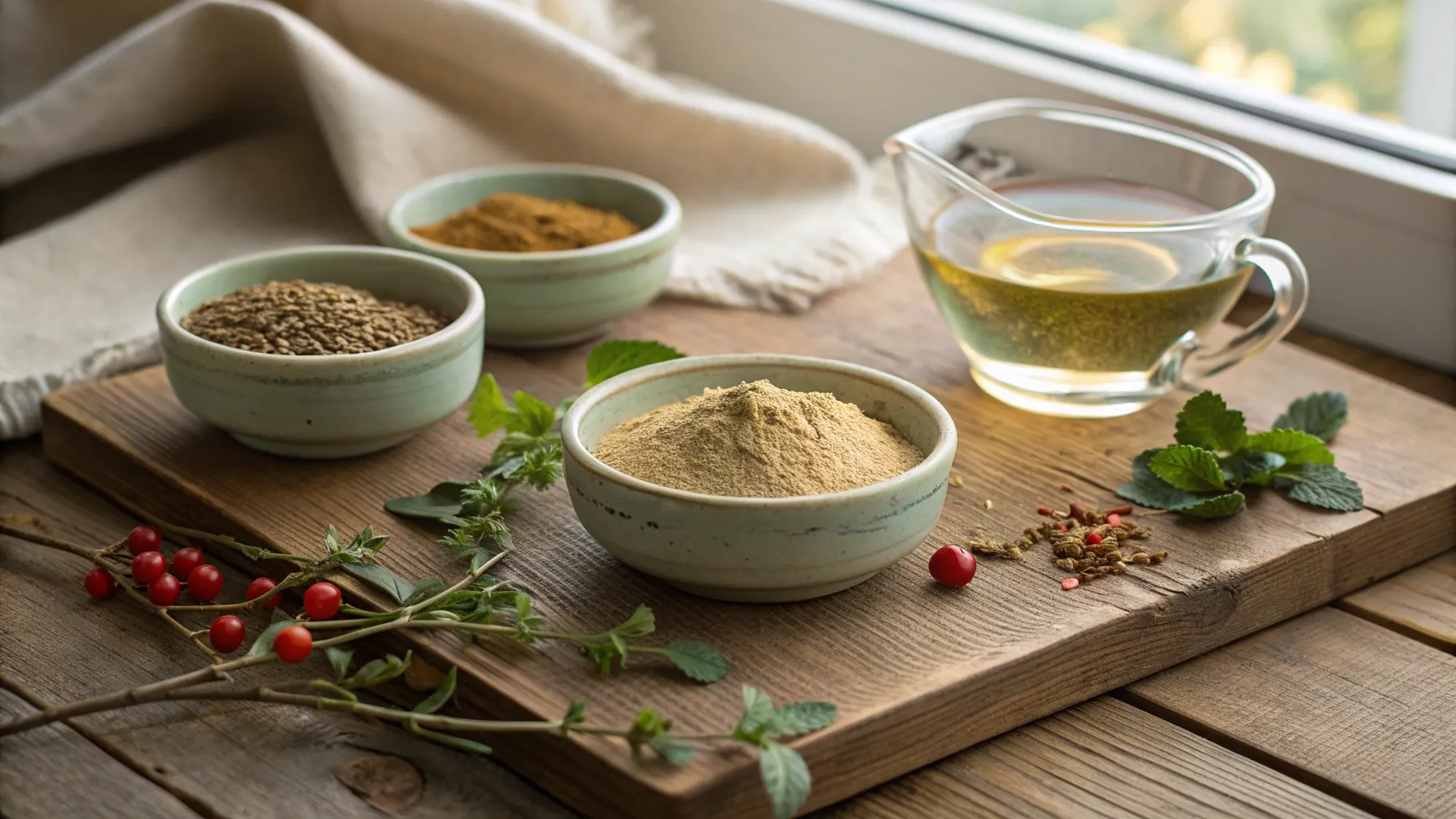
For centuries, various cultures have turned to botanicals for wellness. Today, modern research is beginning to validate the use of certain herbs as powerful natural remedies for hormonal imbalance. These adaptogenic herbs work by helping the body adapt to stress and normalizing bodily processes, including hormone production. It's important to approach herbal remedies with care and ideally under the guidance of a healthcare professional, as they can be quite potent.
Ashwagandha for Stress and Cortisol Management
Ashwagandha is a well-known adaptogen famous for its ability to reduce stress and anxiety. It works by lowering cortisol, the body's primary stress hormone. Chronically elevated cortisol can disrupt the entire endocrine system, affecting thyroid function, sleep, and reproductive hormones. By helping to modulate the stress response, ashwagandha can be a vital component of a strategy using natural remedies for hormonal imbalance.
Maca Root for Libido and Energy
Maca is a root vegetable from Peru that has been traditionally used to enhance fertility, libido, and energy levels. It doesn't contain hormones itself but rather works by nourishing the pituitary and hypothalamus glands, which are the master glands of the endocrine system. This helps the body produce its own hormones at more appropriate levels, offering a balancing effect for both men and women.
Essential Lifestyle Adjustments for Lasting Balance
Beyond diet and supplements, your daily habits play a monumental role in your hormonal health. Lifestyle factors are often overlooked but are arguably the most impactful natural remedies for hormonal imbalance because they address the root causes of stress and metabolic disruption. Committing to these changes can create a foundation of stability that allows your body to thrive.
- Prioritize Quality Sleep: Hormones operate on a strict schedule, and sleep is when much of the regulation and regeneration happens. Aim for 7-9 hours of quality, uninterrupted sleep per night. Poor sleep can dramatically increase cortisol and disrupt insulin sensitivity.
- Engage in Regular, Mindful Movement: Exercise is fantastic for hormone health, but over-exercising can be a stressor. A balanced approach including strength training, cardiovascular activity, and mindful practices like yoga or tai chi can reduce cortisol, improve insulin sensitivity, and boost mood-enhancing endorphins.
- Manage Stress Proactively: Chronic stress is a primary driver of hormonal chaos. Incorporate daily stress-reduction techniques such as meditation, deep breathing exercises, spending time in nature, or journaling. These practices help calm the nervous system and lower cortisol levels, which is fundamental for anyone seeking natural remedies for hormonal imbalance.
Comparing Natural Approaches vs. Conventional Methods
When facing hormonal issues, individuals have several paths they can take. Conventional treatments often involve hormone replacement therapy (HRT) or medications that target specific symptoms. While effective for many, they can sometimes come with side effects and may not address the underlying lifestyle factors causing the imbalance. In contrast, natural remedies for hormonal imbalance focus on a holistic, root-cause approach. They aim to support the body's innate ability to heal and regulate itself through nutrition, stress management, and targeted botanical support. This method can be slower to produce results but often leads to more sustainable, long-term health improvements by empowering individuals with a deeper understanding of their body and its needs.
Frequently Asked Questions
How long does it take for natural remedies for hormonal imbalance to show results?
The timeline can vary significantly from person to person based on the severity of the imbalance, consistency with the new habits, and individual physiology. Some people may notice improvements in energy and mood within a few weeks, while for others, it may take three to six months to see significant, lasting changes. Consistency is the most crucial factor.
Can diet and lifestyle alone completely fix a hormonal imbalance?
For many individuals, comprehensive changes to diet, sleep, exercise, and stress management are sufficient to restore balance, especially when the imbalance is mild and caused by lifestyle factors. However, for more complex conditions or significant deficiencies, these natural remedies for hormonal imbalance should be used as a foundational approach, potentially in conjunction with guidance from a healthcare professional.
References
- Journal of Endocrine Health and Metabolism
- International Studies on Botanical Medicine
- Research on Adaptogens and Stress Response
- Nutritional Science and Hormonal Regulation Review