
Natural Remedies for IBS: A Guide to Diet and Lifestyle Management
Facts:
- IBS affects up to 15% of the global population.
- A rising trend in holistic wellness focuses on natural ways to manage ibs.
Calming the Storm: A Comprehensive Guide to Natural IBS Relief
Finding lasting relief from Irritable Bowel Syndrome (IBS) can feel like a daunting journey. Many individuals are now turning towards holistic approaches, seeking natural ways to manage ibs that address the root causes rather than just masking symptoms. By focusing on key areas such as diet, stress reduction, and targeted supplementation, you can significantly improve your gut health and ibs symptoms, reclaiming control over your digestive wellness. This guide explores the most effective, evidence-backed natural remedies to help you navigate your path to a calmer, more comfortable life.
Foundational Diet Changes for IBS Management
The cornerstone of managing IBS naturally is through strategic diet changes for ibs. What you eat directly impacts your gut environment and can either soothe or trigger symptoms. One of the most effective dietary interventions is the low-FODMAP diet, which involves temporarily restricting foods high in certain short-chain carbohydrates that are poorly absorbed in the small intestine. It's crucial to identify your personal ibs trigger foods, which often include dairy, gluten, fatty foods, and certain artificial sweeteners. A gradual reintroduction phase helps pinpoint specific sensitivities. Moreover, paying attention to fiber intake is key. Soluble fiber, found in oats, psyllium husk, and apples, can help regulate bowel movements, while insoluble fiber might exacerbate symptoms for some. Consistent hydration is also a non-negotiable part of successful lifestyle management for ibs, as it aids digestion and nutrient absorption.
Herbal and Supplemental Support for Gut Health and IBS
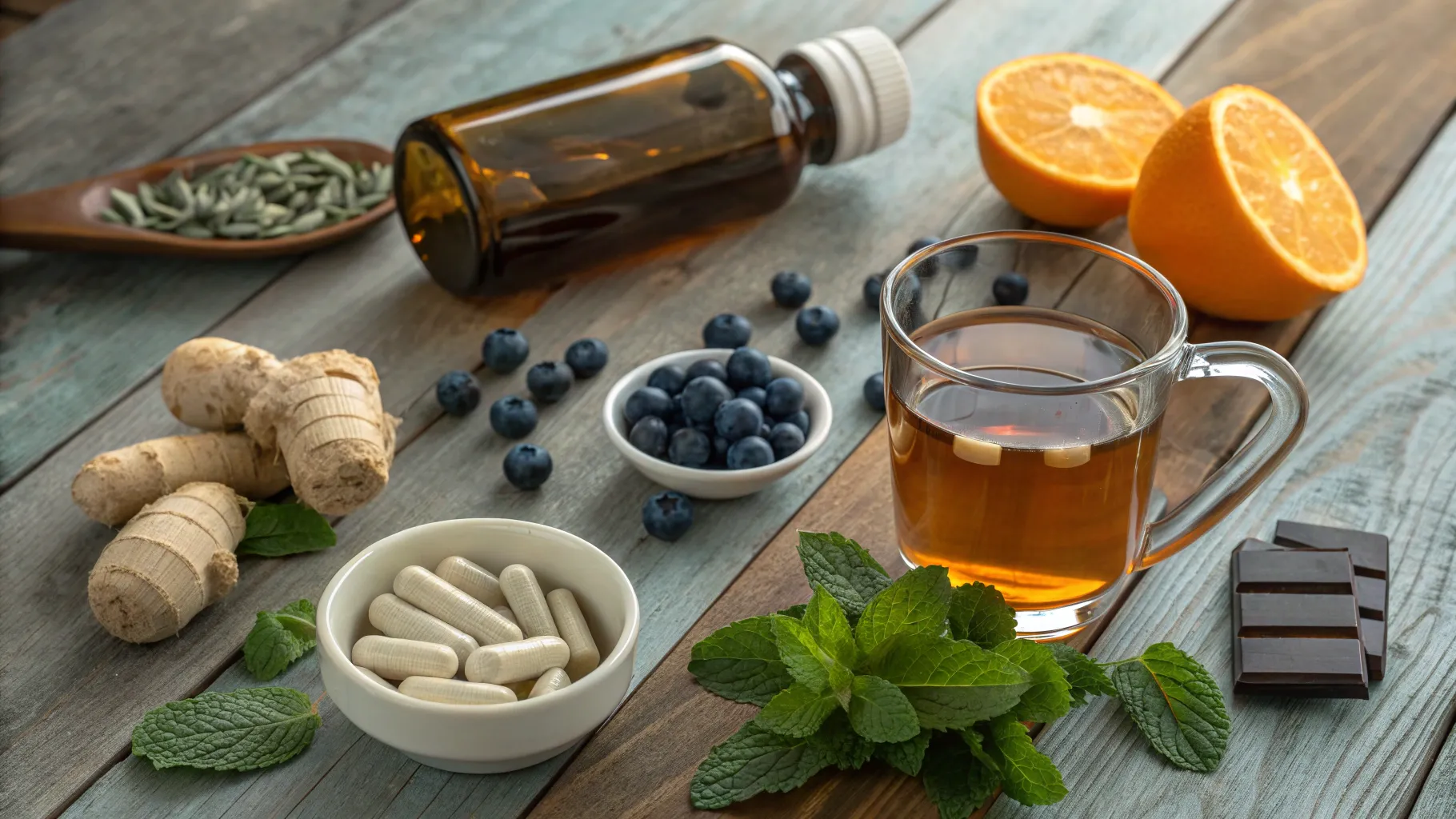
Beyond diet, several natural supplements can play a significant role in enhancing gut health and ibs management. Peppermint oil, particularly in enteric-coated capsules, has been extensively studied for its ability to relax the muscles of the colon, thereby reducing abdominal pain and cramping. Probiotics are another powerful tool; these beneficial bacteria help restore balance to the gut microbiome, which is often disrupted in individuals with IBS. Look for multi-strain probiotics containing Bifidobacterium and Lactobacillus species. Ginger is a well-known carminative that can help with nausea and bloating, while supplements like psyllium husk can provide the gentle soluble fiber needed to regulate bowel function. These interventions represent some of the most effective natural ways to manage ibs when used consistently.
Effective Lifestyle Management for IBS
IBS is not just a physical condition; it's deeply intertwined with your mental and emotional state. This is why effective lifestyle management for ibs is critical for long-term relief. Chronic stress is a major trigger for IBS flare-ups, as it directly impacts the gut-brain axis. Incorporating stress-reduction techniques into your daily routine can make a profound difference. Practices like mindfulness meditation, deep breathing exercises, and gentle yoga can help calm the nervous system and, in turn, the gut. Regular, moderate exercise, such as walking or swimming, also promotes healthy digestion and reduces stress. Prioritizing sleep is equally important, as poor sleep quality can worsen IBS symptoms. A holistic approach that includes these lifestyle adjustments is essential for managing the condition effectively.
Identifying and Avoiding Common IBS Trigger Foods
A crucial step in gaining control over your symptoms involves systematically identifying and eliminating your specific ibs trigger foods. While triggers vary from person to person, several common culprits are known to cause issues for many. Keeping a detailed food and symptom diary is one of the best natural ways to manage ibs as it helps draw clear connections. Here are some of the most frequent offenders:
- High-FODMAP Foods: This category includes items like onions, garlic, wheat, beans, and certain fruits like apples and mangoes. They ferment in the gut, causing gas, bloating, and pain. Implementing structured diet changes for ibs, like the low-FODMAP diet, is the best way to manage this.
- Lactose: Found in dairy products like milk, soft cheese, and ice cream, lactose can be difficult to digest for many with IBS, leading to diarrhea and cramping.
- Gluten: While not exclusive to Celiac disease, many people with IBS report sensitivity to gluten, a protein in wheat, barley, and rye. Experimenting with a gluten-free diet may offer relief.
- Fatty and Fried Foods: These can increase the intensity of colon contractions, worsening cramps and pain. Opting for baked or steamed preparations is a wise part of lifestyle management for ibs.
- Caffeine and Alcohol: Both can stimulate the gut and may lead to diarrhea and discomfort. Limiting or avoiding coffee, certain teas, and alcoholic beverages is often recommended.
The Mind-Gut Connection: Psychological Approaches for Relief
Understanding the powerful connection between your brain and your digestive system is a game-changer for anyone seeking natural ways to manage ibs. This bidirectional communication pathway means that stress, anxiety, and emotional distress can directly manifest as physical gut symptoms. Cognitive-Behavioral Therapy (CBT) and gut-directed hypnotherapy are two evidence-based psychological therapies that have shown remarkable success in improving gut health and ibs symptoms. These approaches work by helping you reframe negative thought patterns about your condition and by teaching you relaxation techniques that can directly influence gut function. This focus on the mind-gut axis is a vital component of a comprehensive lifestyle management for ibs plan, addressing the root psychological triggers that can perpetuate the cycle of symptoms.
Frequently Asked Questions
What are the first steps for exploring natural ways to manage ibs?
The best first step is to start a detailed food and symptom journal. This allows you to identify potential ibs trigger foods and patterns. Simultaneously, focus on simple lifestyle management for ibs techniques like increasing water intake, incorporating gentle exercise, and practicing daily stress-reduction exercises like deep breathing.
How long do diet changes for ibs take to show results?
Results from diet changes for ibs, such as a low-FODMAP diet, can often be seen within 2 to 6 weeks. It's important to be patient and consistent. The goal is not permanent restriction but to identify your specific triggers so you can build a sustainable, long-term eating plan that promotes good gut health and ibs control.
Are probiotics a guaranteed fix for gut health and ibs?
While many people find probiotics helpful, they are not a guaranteed fix. The effectiveness can depend on the specific strains and dosage used, as well as an individual's unique gut microbiome. They work best when combined with other strategies, such as avoiding ibs trigger foods and managing stress.
References
- Journal of Gastroenterology and Hepatology
- The American Journal of Clinical Nutrition
- International Foundation for Gastrointestinal Disorders
- Monash University FODMAP Diet Research