
Boost Your Iron: The Ultimate Guide to Natural Remedies for Iron Deficiency
Facts:
- Iron deficiency affects over 1.2 billion people globally.
- Dietary changes are crucial for managing low iron levels.
Understanding Iron Deficiency and How to Combat It Naturally
Feeling constantly fatigued, weak, or breathless? You could be experiencing symptoms of iron deficiency, one of the most widespread nutritional issues worldwide. The good news is that there are many potent natural remedies for iron deficiency that can help you replenish your iron stores, increase your energy, and enhance your overall health. This comprehensive guide will delve into the most effective food-based strategies, herbal supports, and lifestyle adjustments. Adopting these natural remedies for iron deficiency is a proactive and sustainable approach to meeting your body's essential needs and reclaiming your vitality.
Top Iron-Rich Foods: The Foundation of Natural Treatment
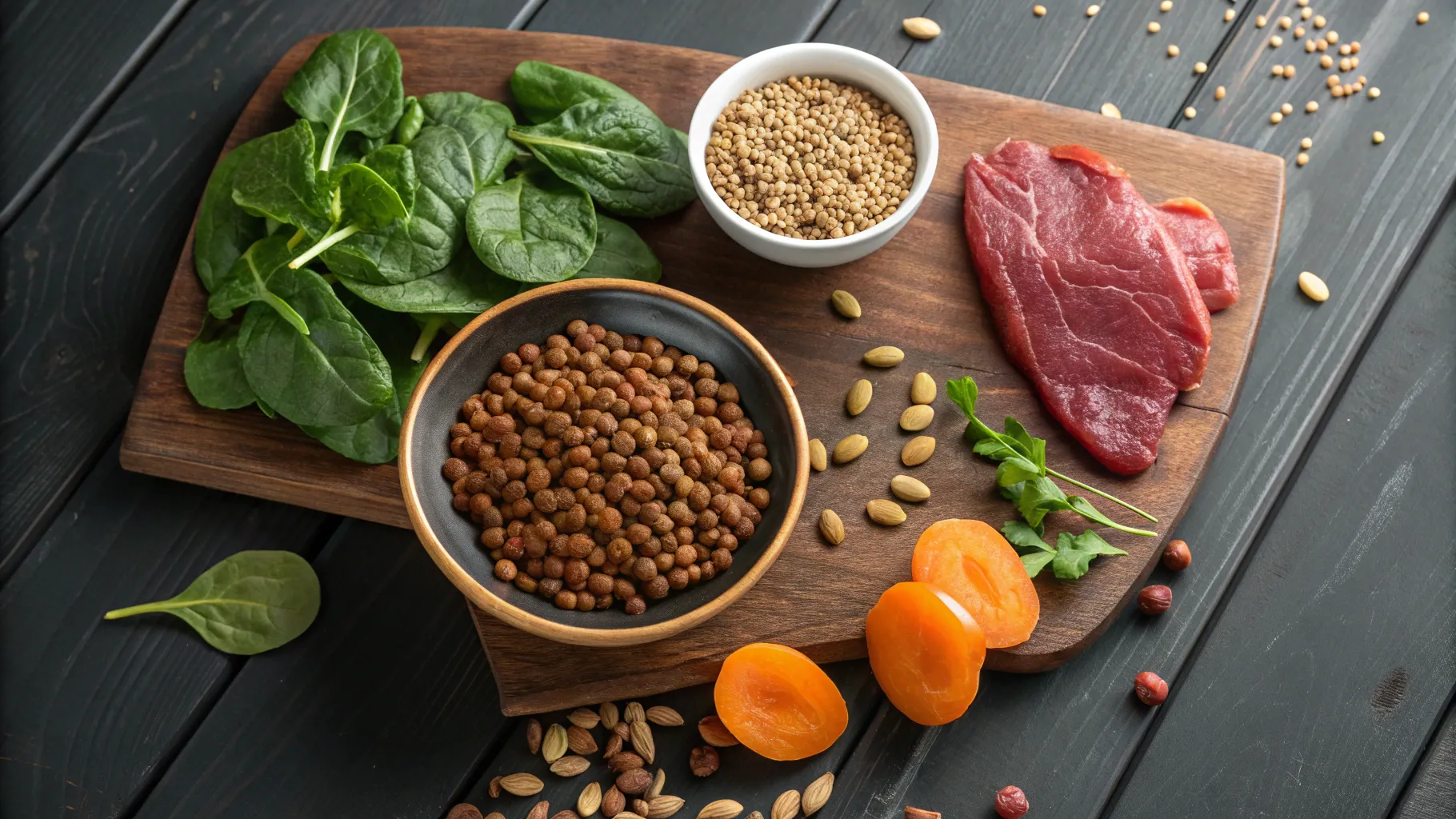
The cornerstone of any plan involving natural remedies for iron deficiency is a diet rich in iron. Integrating specific foods into your daily meals can make a significant difference in your iron levels. It is important to understand the two types of dietary iron—heme and non-heme—to build an effective eating strategy.
Heme Iron: Animal-Based Sources
Heme iron, found in animal products, is the most easily absorbed type of iron. Including these foods can provide a quick and efficient boost to your iron stores. Excellent sources include lean red meat, such as beef and lamb, which are packed with highly bioavailable iron. Poultry like chicken and turkey, particularly the darker meat, are also valuable. Organ meats, especially liver, are exceptionally concentrated in iron, though they should be consumed in moderation. Fish like tuna, salmon, and sardines not only provide iron but also beneficial omega-3 fatty acids, making them a fantastic part of natural remedies for iron deficiency.
Non-Heme Iron: Powerful Plant-Based Sources
Non-heme iron is found in plant-based foods. While it's not absorbed as efficiently as heme iron, its absorption can be significantly enhanced with the right food pairings. Legumes are a powerhouse, with lentils, chickpeas, and beans offering a substantial amount of iron per serving. Dark leafy greens, including spinach, kale, and Swiss chard, are classic examples of natural remedies for iron deficiency. Seeds and nuts, such as pumpkin seeds, sesame seeds, and cashews, make for an easy iron-rich snack. Finally, fortified cereals and whole grains like quinoa and oats can also contribute to your daily iron intake.
Enhancing Iron Absorption for Maximum Benefit
Consuming iron-rich foods is only half the battle; ensuring your body can actually absorb and utilize that iron is equally critical. Certain nutrients can dramatically increase absorption, while others can hinder it. Understanding these interactions is key to making your natural remedies for iron deficiency effective.
- Pair with Vitamin C: Vitamin C significantly boosts the absorption of non-heme iron. Try to include a source of Vitamin C with your iron-rich meals. For example, squeeze lemon juice over a spinach salad, have a side of bell peppers with your lentil soup, or drink a small glass of orange juice with your fortified cereal.
- Avoid Calcium at the Same Time: Calcium can interfere with the absorption of both heme and non-heme iron. Try to avoid consuming dairy products, calcium-fortified drinks, or calcium supplements at the same time as your main iron-rich meal. Space them out by a couple of hours.
- Beware of Tannins and Phytates: Tannins, found in tea and coffee, and phytates, found in whole grains and legumes, can reduce iron absorption. This doesn't mean you must avoid them, but it's wise not to drink tea or coffee with your meals. Soaking beans and grains before cooking can also reduce their phytic acid content.
Herbal Allies in the Fight Against Iron Deficiency
Certain herbs have been traditionally used to support blood health and can be a valuable component of a holistic approach. These herbal solutions are excellent complementary natural remedies for iron deficiency. Nettle leaf, often consumed as a tea or infusion, is rich in iron and other supporting vitamins that aid in its absorption. Dandelion root and greens also contain iron and are known to support liver function, which is essential for storing iron. Yellow dock root is another powerful herb traditionally used as a blood tonic to improve iron uptake from food. Always consult with a healthcare professional or herbalist before adding new herbs to your regimen, especially if you are pregnant or on medication.
Lifestyle Adjustments that Support Healthy Iron Levels
Beyond diet, certain lifestyle habits can support your body's ability to maintain healthy iron levels. Cooking in cast-iron skillets is a simple yet effective trick; small amounts of iron can leach from the pan into your food, especially when cooking acidic foods like tomato sauce. Additionally, focusing on gut health is paramount. A healthy digestive system is necessary for proper nutrient absorption. Incorporating probiotic-rich foods like yogurt and kefir can improve your gut flora, enhancing your ability to absorb iron from all the wonderful natural remedies for iron deficiency you are consuming. Finally, chronic stress can impact digestion and nutrient absorption, so incorporating stress-management techniques like meditation or gentle exercise can provide indirect benefits.
Frequently Asked Questions
How quickly can natural remedies for iron deficiency work?
The timeframe for seeing results from natural remedies for iron deficiency can vary depending on the severity of the deficiency and individual factors. Generally, with consistent dietary changes, some people may start to feel an improvement in energy levels within a few weeks, but it can take 3-6 months to fully replenish iron stores.
Are plant-based natural remedies for iron deficiency as effective as animal-based ones?
While heme iron from animal sources is more easily absorbed, a well-planned plant-based diet can be very effective. The key is to consume a variety of non-heme iron sources and consistently pair them with Vitamin C to maximize absorption, making them a viable option for natural remedies for iron deficiency.
When should I see a doctor instead of relying solely on natural remedies for iron deficiency?
While natural remedies for iron deficiency are powerful, it's crucial to consult a doctor for a proper diagnosis before starting any treatment. If you experience severe symptoms like dizziness, chest pain, or extreme fatigue, or if your symptoms do not improve with dietary changes, medical guidance is necessary to rule out underlying conditions and determine if supplementation is required.
References
- World Health Organization. (2021). Iron Deficiency Anaemia.
- Journal of Nutrition and Metabolism. (2019). The Role of Vitamin C in Iron Absorption.
- National Institutes of Health. (2023). Iron Fact Sheet for Health Professionals.
- Academy of Nutrition and Dietetics. (2022). Iron-Rich Foods for Vegetarians and Vegans.