
Natural Remedies for Low Blood Pressure: A Comprehensive Guide
Facts:
- Hypotension is medically defined as blood pressure below 90/60 mmHg.
- A growing trend is using dietary adjustments as natural remedies for low blood pressure.
Understanding and Addressing Hypotension Naturally
Low blood pressure, or hypotension, can lead to uncomfortable symptoms like dizziness, fainting, fatigue, and blurred vision. While it can sometimes be a sign of an underlying condition, many individuals can manage their symptoms through simple, effective lifestyle changes. This guide explores a variety of natural remedies for low blood pressure, offering a comprehensive look at how you can support your circulatory system and improve your overall well-being without immediate recourse to medication. Implementing these natural remedies for low blood pressure can be a safe and powerful first step toward feeling more energized and stable throughout your day.
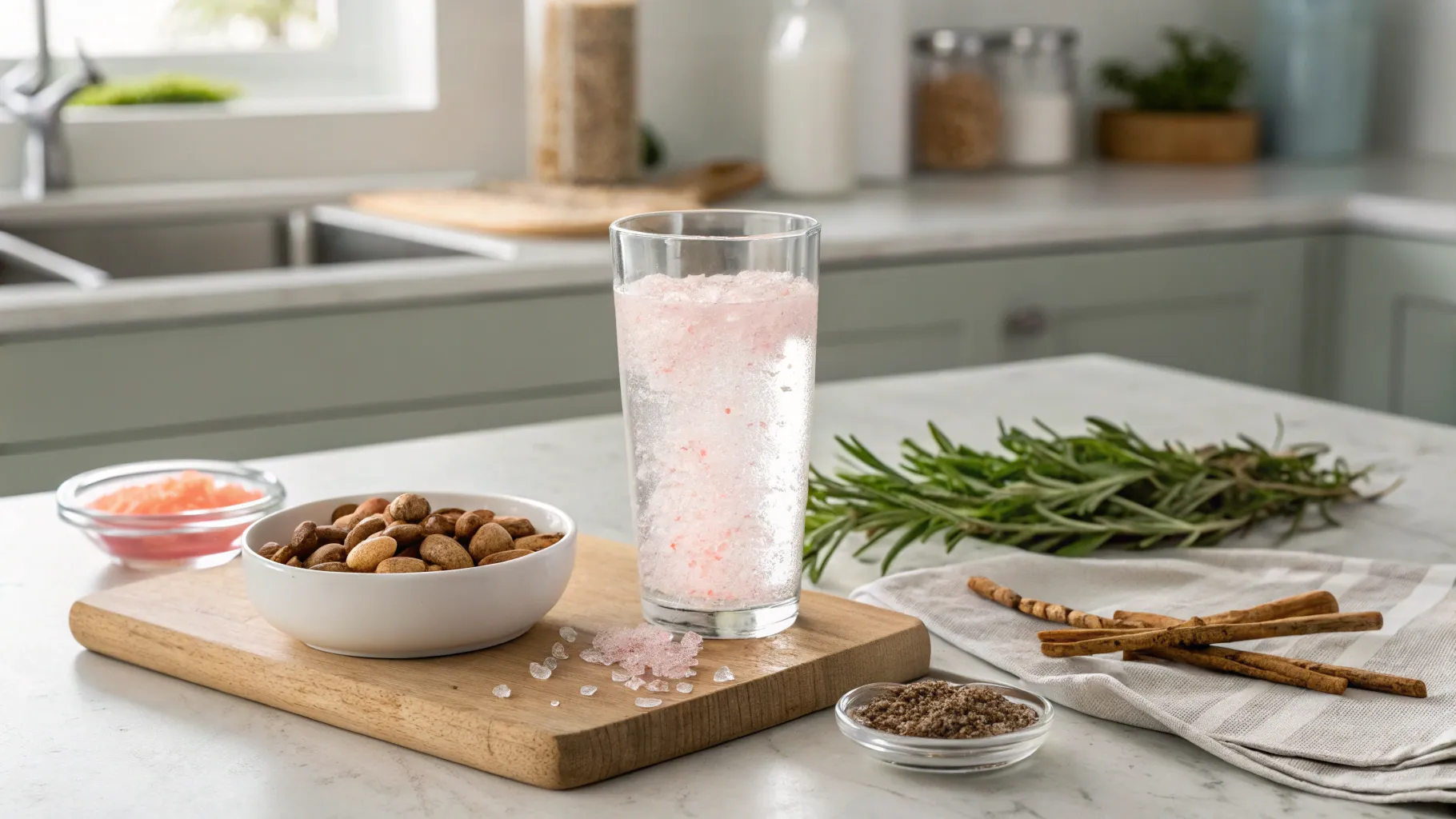
Key Dietary Natural Remedies for Low Blood Pressure
What you eat and drink plays a pivotal role in managing your blood pressure. For those with hypotension, certain dietary adjustments can provide a significant boost. It's not about a complete overhaul but rather strategic additions and modifications to support your body's needs. These dietary natural remedies for low blood pressure are often easy to incorporate and can have a noticeable impact.
Increase Your Salt Intake (Mindfully)
Unlike advice for hypertension, individuals with low blood pressure may benefit from moderately increasing their sodium intake. Salt helps your body retain water, which increases blood volume and, consequently, blood pressure. However, it's crucial to approach this mindfully. Opt for unrefined salts like sea salt or Himalayan pink salt over processed table salt, and avoid excessive consumption of processed foods that are high in unhealthy sodium. A small, conscious increase is often all that is needed as one of the primary natural remedies for low blood pressure.
Incorporate Vitamin B12-Rich Foods
A deficiency in vitamin B12 can lead to a type of anemia that causes low blood pressure. Ensuring your diet is rich in this essential vitamin is a key preventative measure. Excellent sources include eggs, fortified cereals, lean meats like beef, and nutritional yeast for those on a plant-based diet. Regularly consuming these foods helps maintain healthy red blood cell production, a cornerstone for stable blood pressure and one of the most effective long-term natural remedies for low blood pressure.
Focus on Folate (Vitamin B9)
Similar to vitamin B12, a lack of folate can also contribute to anemia and hypotension. Leafy green vegetables like spinach and kale, along with broccoli, lentils, asparagus, and citrus fruits, are packed with folate. Including a variety of these foods in your daily meals can help address this potential deficiency and support healthy blood pressure levels.
Lifestyle Modifications to Naturally Raise Blood Pressure
Beyond diet, your daily habits and routines have a profound effect on your circulatory system. Small, consistent changes can make a big difference in alleviating the symptoms of hypotension. These lifestyle-based natural remedies for low blood pressure focus on improving circulation and preventing sudden drops in pressure.
Consider Compression Stockings
Compression stockings or socks are a fantastic non-invasive tool. They apply gentle pressure to your legs, which helps prevent blood from pooling in your lower extremities and encourages it to circulate back up to your core and brain. This is particularly useful for people who experience dizziness upon standing (orthostatic hypotension) and is a widely recommended physical aid among natural remedies for low blood pressure.
Avoid Sudden Postural Changes
Moving too quickly from a lying or sitting position to a standing one can cause a sharp, temporary drop in blood pressure, leading to lightheadedness. Make it a habit to move slowly and deliberately. Sit up for a moment before getting out of bed, and pause after moving from a chair to a standing position. This simple behavioral change can prevent many common hypotensive symptoms.
Herbal and Supplemental Support for Hypotension
Certain herbs have been traditionally used to support circulation and vitality. While they should be used with caution and preferably under the guidance of a healthcare professional, they can be valuable additions to a holistic management plan for low blood pressure.
Licorice Root
Licorice root contains a compound called glycyrrhizin, which can reduce the effect of the hormone that regulates salt's impact on the body. This can lead to an increase in blood pressure. It is available as a tea or supplement, but it should not be used long-term without medical supervision, as it can deplete potassium levels. It is a potent option among natural remedies for low blood pressure but requires careful handling.
Rosemary
This common culinary herb has properties that can stimulate the central nervous system and improve circulation. You can incorporate more rosemary into your cooking or use rosemary essential oil for aromatherapy. A warm bath with a few drops of rosemary oil can be both invigorating and beneficial for your circulation.
Hydration and Its Critical Role in Blood Pressure Regulation
Dehydration is one of the most common and easily reversible causes of low blood pressure. When you don't drink enough fluids, your blood volume decreases, which directly leads to a drop in blood pressure. Proper hydration is arguably the most fundamental of all natural remedies for low blood pressure.
Drink More Water
The simplest solution is often the most effective. Aim to drink water consistently throughout the day, not just when you feel thirsty. Increasing your water intake, especially in hot weather or during physical activity, is crucial for maintaining adequate blood volume and preventing hypotension. Sometimes, adding a small pinch of sea salt and a squeeze of lemon to your water can also help with electrolyte balance and fluid retention.
Limit Alcoholic Beverages
Alcohol is a diuretic, meaning it causes you to lose more fluid than you take in, leading to dehydration. It also acts as a vasodilator, widening blood vessels. Both of these effects can significantly lower your blood pressure. If you have hypotension, it's wise to limit your alcohol consumption or avoid it altogether to prevent exacerbating your symptoms.
Frequently Asked Questions
What is the quickest natural remedy for low blood pressure symptoms?
One of the fastest ways to address sudden dizziness from low blood pressure is to drink a glass of water, preferably with a pinch of salt and sugar to help with rapid absorption and fluid retention. Another quick action is to sit or lie down and elevate your legs above your heart level to help blood flow back to your brain.
Are there specific exercises that help with low blood pressure?
Yes, isometric exercises, where you tense muscles without moving your joints (like squeezing a ball or pressing your palms together), can temporarily raise blood pressure. Regular, moderate aerobic exercise like walking or swimming is also excellent for improving overall cardiovascular tone and circulation, making it a great long-term strategy among natural remedies for low blood pressure.
Can caffeine be used as a natural remedy for low blood pressure?
Caffeine can cause a short-term spike in blood pressure by stimulating the cardiovascular system and constricting blood vessels. A cup of coffee or tea can provide temporary relief for some people, especially after meals. However, its effects are not long-lasting, and individuals can build a tolerance to it.
References
- National Heart, Lung, and Blood Institute (NHLBI) - Hypotension
- American Heart Association - Low Blood Pressure
- Studies on the effects of hydration on blood volume and pressure
- Journal of Clinical Nutrition - Vitamin B12 and Anemia