
Effective Natural Remedies for Migraine Headaches: A Complete Guide
Facts:
- Over 1 billion people worldwide suffer from migraines.
- Interest in natural remedies for migraine headaches is a major wellness trend.
Finding Relief: Exploring Proven Natural Remedies for Migraine Headaches
Migraine headaches are more than just a bad headache; they are a debilitating neurological condition that can disrupt every aspect of life. For those seeking alternatives or complements to traditional medicine, the world of natural remedies for migraine headaches offers a wealth of options. These approaches focus on addressing root causes, reducing inflammation, and preventing attacks before they start. From ancient herbal solutions to modern nutritional science, understanding these methods can empower you to take greater control over your health and find lasting migraine relief.
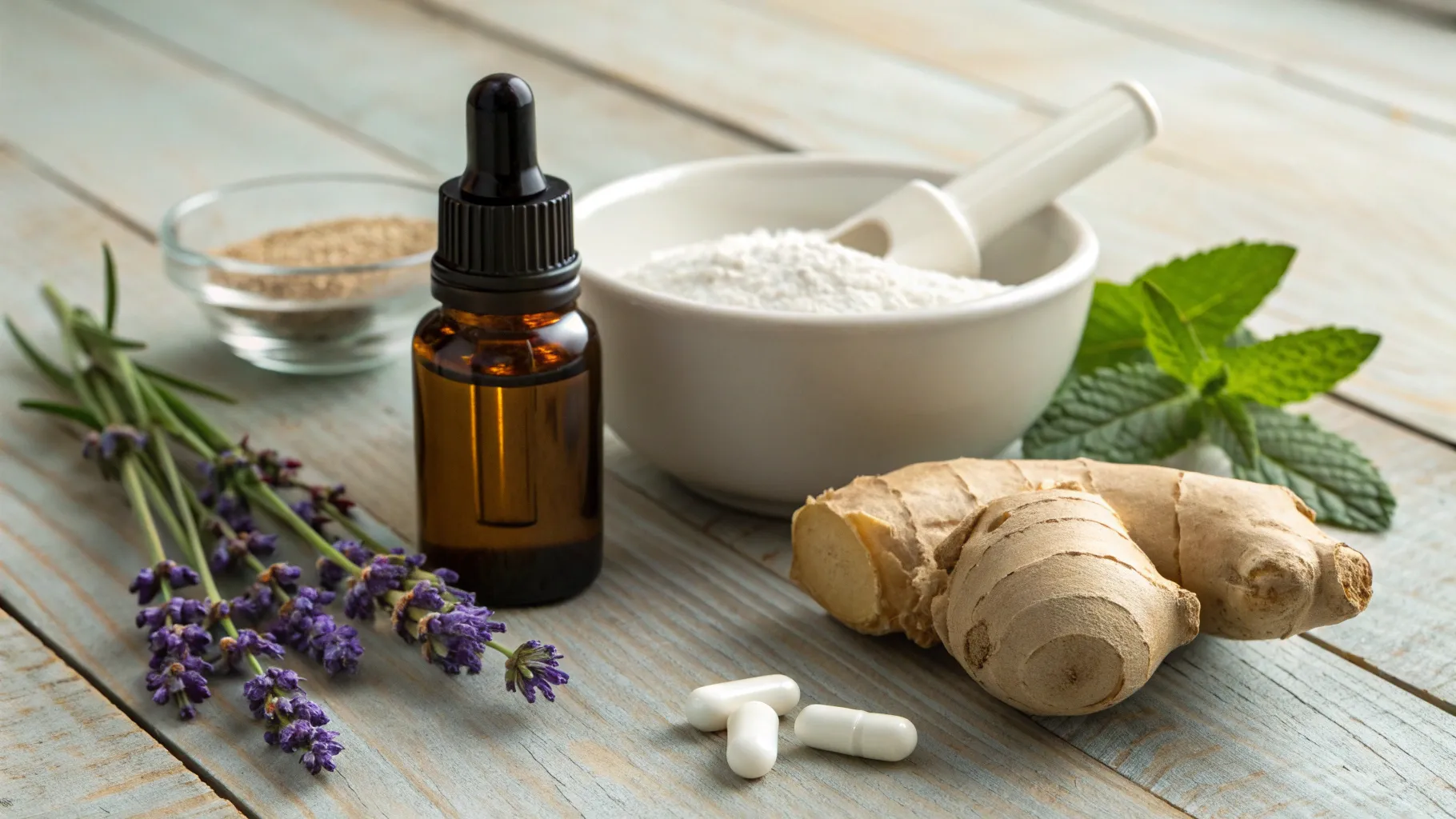
Key Herbal and Botanical Solutions for Migraine Relief
For centuries, nature has provided a pharmacy of plants with powerful medicinal properties. When it comes to natural remedies for migraine headaches, certain herbs stand out for their proven effectiveness and scientific backing. These botanical solutions often work by targeting inflammation and pain pathways, offering a gentler alternative for managing migraine symptoms.
The Power of Feverfew
Feverfew (Tanacetum parthenium) is one of the most well-known natural remedies for migraine headaches. This plant, which resembles a small daisy, contains compounds called parthenolides that are believed to reduce inflammation and inhibit the release of substances that cause blood vessels in the brain to widen. Regular, consistent use of feverfew as a preventative measure has been shown in clinical trials to decrease both the frequency and severity of migraine attacks. It is typically available in capsule or extract form for standardized dosing.
Ginger: More Than a Culinary Spice
Ginger root is a powerful anti-inflammatory and has been used for millennia to treat nausea and pain. Its effectiveness as a natural migraine treatment is remarkable; some studies have found that ginger powder can be as effective as the prescription drug sumatriptan in aborting a migraine attack, but with fewer side effects. It works by blocking prostaglandins, which are inflammatory chemicals that contribute to pain. You can consume it as a tea, in capsules, or by chewing on a small piece of fresh root at the onset of an attack.
Peppermint Oil for Topical Relief
The cooling sensation of peppermint oil can be incredibly soothing during a migraine. The active ingredient, menthol, has analgesic properties. When applied topically to the temples, forehead, and back of the neck, it can help relax tense muscles and ease the throbbing pain associated with migraines. It serves as an excellent adjunctive therapy and one of the fastest-acting natural headache remedies for symptomatic relief.
Essential Vitamins and Minerals in Your Arsenal
Nutritional deficiencies can play a significant role in migraine susceptibility. Correcting these imbalances with targeted supplementation is a cornerstone of using natural remedies for migraine headaches for long-term prevention. These vitamins and minerals are crucial for healthy nerve function and energy metabolism in the brain.
Magnesium: The Relaxation Mineral
Magnesium deficiency is strongly linked to an increased risk of migraine attacks, particularly migraine with aura. This essential mineral helps regulate neurotransmitter function and can prevent the wave of brain signaling, known as cortical spreading depression, that triggers visual and sensory auras. It also helps relax blood vessels. Many migraine sufferers find that daily magnesium supplementation, often in the form of magnesium citrate or glycinate, significantly reduces the frequency of their attacks. It is one of the most recommended natural remedies for migraine headaches by neurologists.
Riboflavin (Vitamin B2)
Riboflavin is vital for cellular energy production. The theory is that migraines may be linked to impaired mitochondrial energy metabolism in brain cells. High-dose Riboflavin supplementation (typically 400 mg per day) can help improve this energy production, making brain cells more resilient to migraine triggers. It is considered a very safe and effective preventative strategy, though it may take a few months to see the full benefits.
Coenzyme Q10 (CoQ10)
Similar to Riboflavin, CoQ10 is another crucial compound for energy production within mitochondria. It also acts as a powerful antioxidant, protecting cells from damage. Studies have shown that CoQ10 supplementation can be an effective prophylactic natural migraine treatment, reducing the frequency, duration, and severity of attacks. It is often recommended alongside magnesium and Riboflavin for a synergistic effect.
Actionable Steps to Integrate Natural Remedies Today
Incorporating natural remedies for migraine headaches into your life requires a proactive and systematic approach. It's about building a holistic strategy that combines supplements, lifestyle changes, and self-awareness to manage your condition effectively. Here are some practical steps to get started.
- Start a Migraine Diary: This is the most critical first step. Meticulously track your headache days, intensity, symptoms, and potential triggers. Note your diet, sleep patterns, stress levels, and weather changes. This data will help you and your doctor identify patterns and determine which natural remedies for migraine headaches might be most effective for you.
- Consult a Healthcare Professional: The term 'natural' does not mean 'without risk.' Before starting any new herb or high-dose supplement, discuss it with your doctor or a qualified healthcare provider. They can help you choose the right remedies, advise on proper dosages, and ensure there are no interactions with any medications you are currently taking.
- Introduce One Remedy at a Time: To accurately gauge the effectiveness of a particular treatment, introduce only one new supplement or major lifestyle change at a time. Give it at least 2-3 months to work before evaluating its impact on your migraine frequency and severity. This methodical approach helps you build a personalized and effective prevention plan.
- Focus on Prevention: Many of the most powerful natural headache remedies are most effective when used consistently for prevention rather than for treating an acute attack. Supplements like magnesium, Riboflavin, and feverfew need time to build up in your system to provide their protective benefits.
Comparing Natural vs. Pharmaceutical Approaches
When considering migraine treatment, many people weigh the benefits of natural versus pharmaceutical options. Pharmaceutical drugs, such as triptans or CGRP inhibitors, are often highly effective for acute relief and prevention but can come with a range of side effects, from fatigue and nausea to more significant cardiovascular risks. They can also be expensive and lead to medication overuse headaches if used too frequently. In contrast, natural remedies for migraine headaches often have a more favorable side-effect profile and work by addressing underlying physiological imbalances rather than just masking symptoms. While they may take longer to show effects, particularly for prevention, they can offer a sustainable, long-term approach to managing the condition. The ideal strategy for many is an integrative one, using natural migraine treatment to reduce overall attack frequency and relying on pharmaceuticals for severe, acute attacks that don't respond to other methods.
Frequently Asked Questions
How quickly do natural remedies for migraine headaches work?
The speed of relief varies greatly depending on the remedy. Topical applications like peppermint oil can offer soothing effects within minutes. Acute treatments like ginger may reduce symptoms within an hour or two. However, preventative natural remedies for migraine headaches, such as magnesium, Riboflavin, and feverfew, require consistent daily use for several weeks to months to reach their full therapeutic effect and reduce overall migraine frequency.
Are there any side effects to these natural headache remedies?
Yes, while generally considered safer than many pharmaceuticals, natural remedies can have side effects. For instance, feverfew can cause mouth sores in some individuals, and high doses of magnesium can lead to diarrhea. Ginger may cause mild heartburn. It is crucial to start with a low dose, monitor your body's reaction, and always consult a healthcare professional before beginning any new supplement regimen, especially if you have pre-existing health conditions or are pregnant.
Can I combine these natural remedies with my prescription migraine medication?
This is a critical question that must be directed to your doctor or pharmacist. Some herbs and supplements can interact with prescription medications, potentially altering their effectiveness or increasing the risk of side effects. For example, some herbs have blood-thinning properties that could interact with other drugs. Never combine treatments without professional medical advice to ensure your approach to migraine relief is both safe and effective.
References
- Journal of Headache and Pain: Studies on Ginger and Migraine
- American Migraine Foundation: Guide to Supplements and Vitamins
- National Center for Complementary and Integrative Health: Migraines Information
- Neurology: Evidence-based guideline update for the prevention of episodic migraine