
Effective Natural Remedies for Migraine Headaches: A Comprehensive Guide
Facts:
- Ginger can be as effective as some prescription drugs for migraines.
- A growing trend for migraine sufferers is using biofeedback techniques.
Understanding Migraine Triggers to Find Effective Relief
Before diving into solutions, it's crucial to understand that migraines are more than just bad headaches. They are complex neurological events with a variety of triggers, from stress and hormonal changes to certain foods and environmental factors. Identifying your personal triggers is the first step toward finding the most effective natural remedies for migraine headaches. By keeping a simple diary, you can start to see patterns and make lifestyle adjustments that reduce the frequency and severity of attacks. Many people find that a holistic approach, combining several natural remedies for migraine headaches, offers the most significant and lasting relief from their symptoms.
Herbal and Botanical Solutions for Migraine Pain
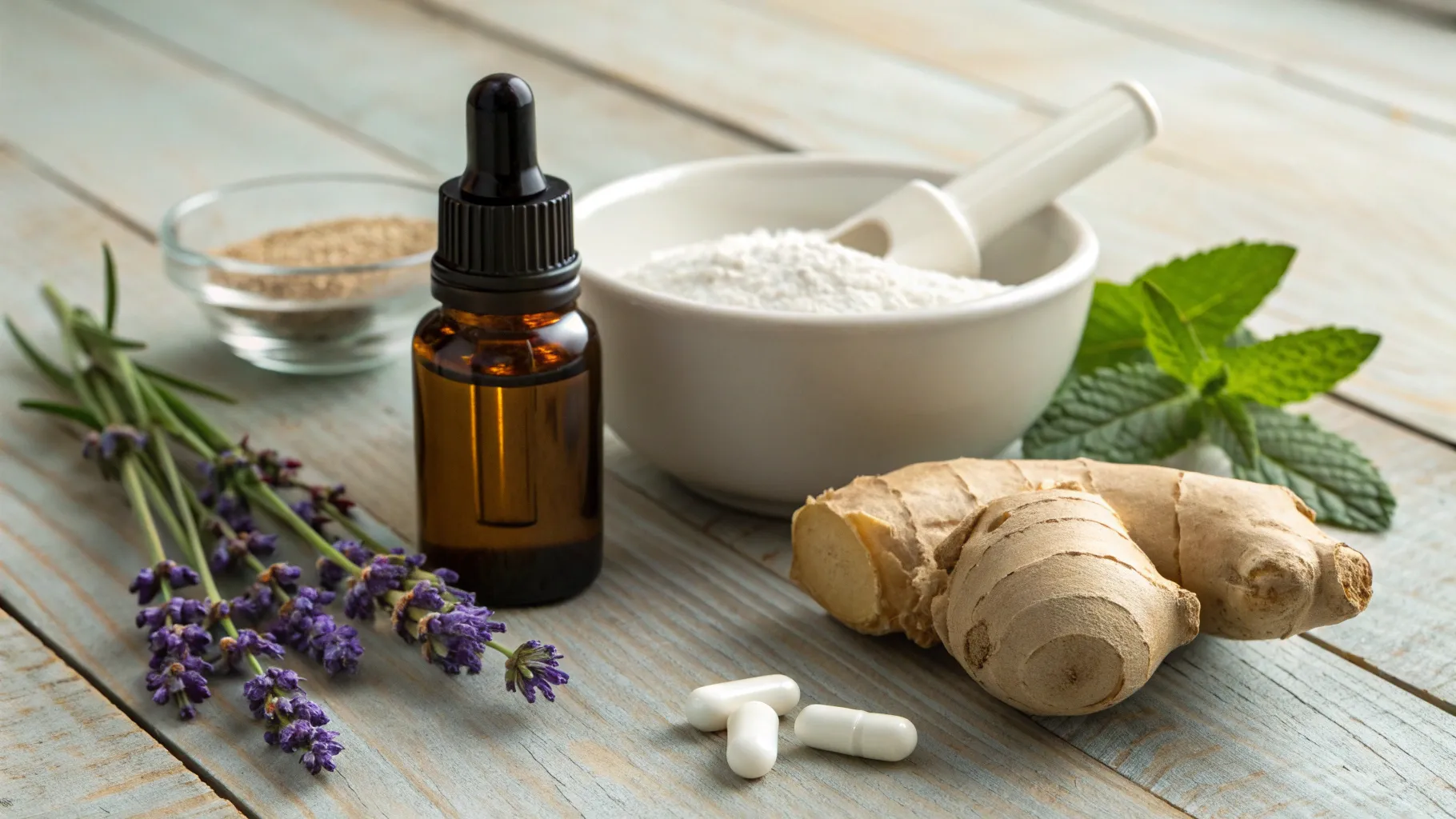
For centuries, nature has provided powerful compounds to alleviate pain, and migraines are no exception. Several herbs have been studied for their efficacy in managing migraine symptoms, offering a gentle yet potent alternative to pharmaceuticals. These natural remedies for migraine headaches work through various mechanisms, such as reducing inflammation and blocking pain pathways.
Feverfew (Tanacetum parthenium)
Feverfew is one of the most well-known natural remedies for migraine headaches. It is believed to work by inhibiting the release of inflammatory substances like prostaglandins. Regular intake of feverfew, often in capsule form, has been shown in some studies to reduce the frequency of migraine attacks. It's not a treatment for an acute attack but rather a prophylactic measure to prevent them from occurring.
Ginger (Zingiber officinale)
Ginger is a versatile root with powerful anti-inflammatory and anti-nausea properties. A study found that ginger powder was as effective as sumatriptan, a common migraine medication, but with fewer side effects. It can be consumed as a tea, in capsules, or by chewing on a small piece of the fresh root at the onset of a migraine. This makes it a fantastic and accessible option among natural remedies for migraine headaches.
Peppermint Oil (Mentha piperita)
The active ingredient in peppermint, menthol, has been shown to help stop a migraine attack when applied topically. Diluting peppermint essential oil with a carrier oil (like coconut or almond oil) and applying it to the temples and forehead can create a cooling sensation that relaxes muscles and eases the throbbing pain associated with migraines. It is a fast-acting, soothing topical treatment.
Essential Lifestyle Adjustments for Migraine Prevention
While direct treatments are important, preventing migraines before they start is the ultimate goal. Simple, consistent lifestyle changes can dramatically reduce the frequency and intensity of attacks. Adopting these habits is a foundational part of using natural remedies for migraine headaches effectively.
- Consistent Sleep Schedule: Go to bed and wake up at the same time every day, even on weekends. Poor sleep or changes in sleep patterns are a major migraine trigger for many people. Aim for 7-9 hours of quality sleep per night.
- Regular Hydration: Dehydration is a common and easily avoidable migraine trigger. Make sure to drink plenty of water throughout the day. Carrying a water bottle with you can serve as a constant reminder.
- Stress Management: Chronic stress can lead to more frequent migraines. Incorporate stress-reduction techniques into your daily routine. This could include deep breathing exercises, meditation, yoga, or simply spending time in nature. Finding what works for you is a key part of long-term management.
- Consistent Meal Times: Skipping meals or experiencing drops in blood sugar can trigger a migraine attack. Eat regular, balanced meals throughout the day to maintain stable glucose levels.
Mind-Body Techniques to Alleviate Migraine Symptoms
The connection between the mind and body is powerful, and leveraging it can be one of the most effective natural remedies for migraine headaches. These techniques help you gain control over your body's response to pain and stress.
Acupressure and Acupuncture
Both practices are based on traditional Chinese medicine and involve stimulating specific points on the body. Acupressure can be self-administered by applying firm pressure to points like the LI4 point (the fleshy area between the thumb and index finger). Acupuncture, performed by a licensed practitioner, has been shown in numerous studies to reduce the frequency of migraines.
Biofeedback
Biofeedback is a technique where you learn to control bodily functions, such as heart rate and muscle tension, using feedback from electronic sensors. By becoming more aware of your body's stress responses, you can learn to relax muscles and calm the physiological processes that lead to a migraine attack. It's a proactive approach to managing your health.
Dietary Approaches and Supplements as Natural Remedies
What you eat can have a profound impact on your migraine patterns. Certain foods can be triggers, while others, along with specific supplements, can be powerful natural remedies for migraine headaches.
Magnesium
Magnesium deficiency is linked to migraine headaches, particularly migraine with aura. This mineral is crucial for proper nerve and muscle function. Supplementing with magnesium oxide or citrate can help prevent attacks. You can also increase your intake through foods like almonds, spinach, and avocado. Many people find this to be a simple yet highly effective preventative strategy.
Riboflavin (Vitamin B2)
High doses of Riboflavin have been shown in clinical trials to be an effective prophylactic treatment for migraines. It is involved in cellular energy production, and it is thought that it can help correct the energy deficiencies in the brain cells of migraine sufferers. Consulting with a doctor about the appropriate dosage is recommended for these natural remedies for migraine headaches.
Frequently Asked Questions
How quickly do natural remedies for migraine headaches work?
The speed of relief varies greatly. Topical remedies like peppermint oil can provide a cooling sensation and relief within 15-30 minutes. Ingestible remedies like ginger might take an hour or so. Preventative measures, such as supplements like magnesium or lifestyle changes, require consistent use over several weeks to months to show a reduction in migraine frequency.
Can I combine different natural remedies for migraine headaches?
Yes, in many cases, a combination approach is the most effective. For instance, you could take magnesium daily as a preventative measure, use peppermint oil for acute attacks, and practice yoga for stress management. However, it's always wise to consult with a healthcare professional before starting any new supplement, especially if you are taking other medications.
Are there any side effects to these natural remedies?
While generally considered safer than many prescription drugs, natural remedies can still have side effects. For example, feverfew can cause mouth sores in some individuals, and high doses of magnesium can lead to digestive upset. It's important to start with low doses and research each remedy thoroughly.
References
- The Journal of Headache and Pain
- American Migraine Foundation Publications
- National Center for Complementary and Integrative Health (NCCIH)
- Studies on Herbal Medicine in Neurology