Effective Natural Remedies for Migraine Headaches: A Comprehensive Guide
Facts:
- Migraines affect over 1 billion people globally.
- A key trend for migraine sufferers is exploring natural remedies for migraine headaches.
Understanding Migraines Beyond the Painful Symptoms
Migraines are more than just a bad headache; they are a complex neurological condition that can cause debilitating pain, nausea, and sensitivity to light and sound. While many turn to pharmaceuticals, a growing number of people are seeking effective natural remedies for migraine headaches to manage their symptoms and reduce attack frequency. This guide explores evidence-based approaches to natural headache treatment, offering hope for those looking for sustainable and holistic solutions.
Herbal and Botanical Solutions for Migraine Relief
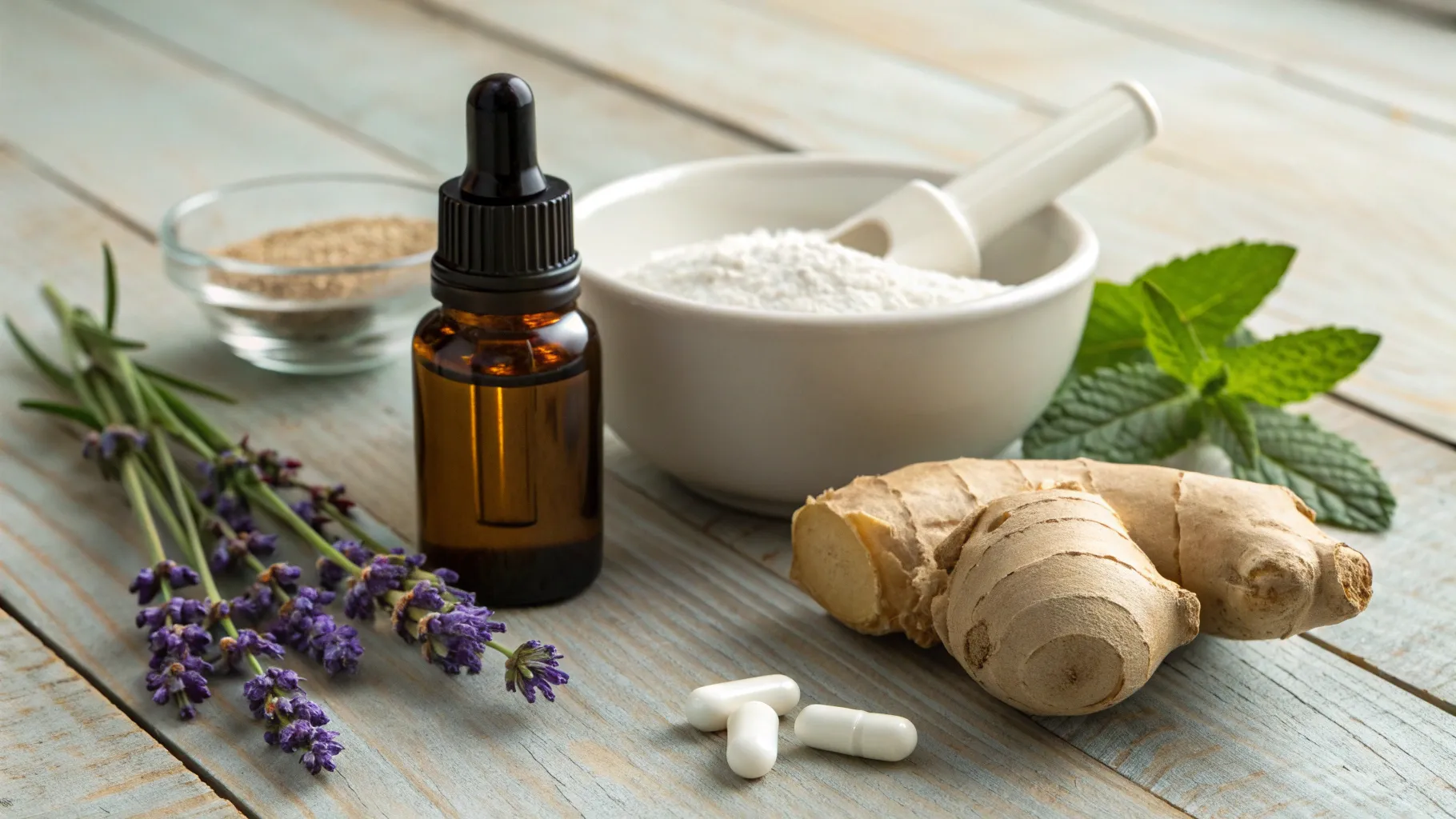
For centuries, nature has provided powerful compounds for pain management. Several herbs have been studied for their potential in providing migraine relief. One of the most well-known is Feverfew (Tanacetum parthenium). This plant contains compounds called parthenolides, which are thought to help prevent the widening of blood vessels in the brain that occurs during a migraine. Regular supplementation with feverfew may reduce the frequency and severity of migraine attacks. Another potent option is ginger. Known for its anti-inflammatory properties, ginger can be as effective as some prescription drugs in alleviating migraine pain. It can be consumed as a tea, in capsule form, or even as fresh root. These options are popular natural remedies for migraine headaches because they often have fewer side effects than conventional medications.
Dietary Adjustments and Supplements for Migraine Prevention
What you eat can have a profound impact on migraine frequency. Identifying and avoiding food triggers like aged cheeses, processed meats, and artificial sweeteners is a crucial first step. Beyond avoidance, incorporating specific nutrients can offer protective benefits. Magnesium is a vital mineral that is often deficient in people who suffer from migraines. Supplementing with magnesium citrate or glycinate can significantly reduce the number of attacks. Similarly, Riboflavin (Vitamin B2) has shown promise in migraine prevention by improving energy metabolism within brain cells. Coenzyme Q10 (CoQ10) is another powerful antioxidant that supports mitochondrial function and has been found to be an effective natural headache treatment. Integrating these supplements can be a cornerstone of a long-term strategy for managing this condition.
Mind-Body Techniques for Holistic Migraine Care
The connection between stress and migraines is well-established. Mind-body practices are essential natural remedies for migraine headaches that address this link directly. Acupuncture, an ancient Chinese practice of inserting thin needles into specific points on the body, has been shown in numerous studies to reduce migraine frequency. It works by releasing endorphins, the body's natural painkillers, and by modulating pain signals. Biofeedback is another effective technique where you learn to control bodily functions, such as muscle tension and skin temperature, using feedback from electronic sensors. By learning to relax specific muscles, you can potentially ward off an impending migraine attack. Practicing mindfulness meditation and yoga can also lower stress levels and increase pain tolerance, contributing to overall holistic migraine care.
Lifestyle Modifications for Long-Term Headache Management
Consistent daily habits are fundamental to reducing migraine susceptibility. Creating a stable routine is one of the most effective natural remedies for migraine headaches. This involves more than just diet; it encompasses your entire daily life. Here are some key areas to focus on:
- Prioritize Consistent Sleep: Aim for 7-9 hours of quality sleep per night. Go to bed and wake up at the same time every day, even on weekends, to regulate your body's internal clock. A disrupted sleep schedule is a common migraine trigger.
- Stay Hydrated: Dehydration is a major and often overlooked trigger for headaches and migraines. Drink plenty of water throughout the day. Avoid sugary drinks which can cause fluctuations in blood sugar, another potential trigger.
- Incorporate Regular, Gentle Exercise: While intense exercise can sometimes trigger a migraine, regular, moderate activity like walking, swimming, or cycling can reduce the frequency and intensity of attacks by releasing endorphins and reducing stress.
- Manage Stress Effectively: As mentioned, stress is a significant factor. Beyond specific techniques like meditation, build stress-reducing activities into your day, such as reading, listening to music, or spending time in nature. This provides ongoing migraine relief.
Frequently Asked Questions
How quickly do natural remedies for migraine headaches work?
The onset of relief varies. Some remedies, like applying peppermint oil or drinking ginger tea, can offer relief within 30-60 minutes. Preventative supplements like magnesium and riboflavin may take several weeks of consistent use to show a noticeable reduction in migraine frequency.
Can I combine natural headache treatment with my prescription medication?
It is absolutely crucial to consult your doctor before combining any natural remedies, especially herbal supplements, with prescription medications. Some herbs can interact with drugs and cause adverse effects. Your healthcare provider can help you create a safe and effective integrated treatment plan.
Are there any side effects to these natural remedies for migraine headaches?
While generally considered safer than many pharmaceuticals, natural remedies can still have side effects. For example, feverfew can cause mouth sores in some people, and high doses of magnesium can lead to digestive upset. Always start with a low dose and discuss potential side effects with a healthcare professional.
References
- The Journal of Headache and Pain: Efficacy of Non-pharmacological Interventions for Migraine.
- Neurology Today: The Role of Magnesium in Migraine Prophylaxis.
- The American Migraine Foundation: Guide to Herbal and Supplemental Treatments.
- Evidence-Based Complementary and Alternative Medicine: Ginger as a Treatment for Acute Migraine.