
A Comprehensive Guide to Natural Remedies for PCOS Symptoms
Facts:
- PCOS affects up to 1 in 10 women of childbearing age.
- Growing interest in holistic approaches for managing PCOS symptoms.
Harnessing Nature: Your Guide to Managing PCOS Symptoms Holistically
Polycystic Ovary Syndrome (PCOS) is a complex hormonal disorder that affects millions of women worldwide, presenting a range of challenging symptoms from irregular periods to insulin resistance. While medical treatments are available, many are turning to natural remedies for pcos symptoms to complement their care and manage their condition more holistically. These approaches focus on diet, lifestyle, and targeted supplementation to address the root causes of hormonal imbalance. Embracing natural remedies for pcos symptoms can empower you to take control of your health, leading to significant improvements in your overall well-being and a reduction in the severity of your symptoms.
Dietary Strategies: The Foundation of Natural PCOS Management
What you eat plays a crucial role in managing PCOS. The primary goal of a PCOS-friendly diet is to stabilize blood sugar levels and reduce inflammation, which are key drivers of the condition. A low-glycemic diet, rich in whole foods, is one of the most effective natural remedies for pcos symptoms. This involves prioritizing complex carbohydrates like quinoa and brown rice over refined carbs like white bread and sugar. Incorporating plenty of fiber from vegetables, fruits, and legumes helps slow down sugar absorption and improves gut health. Furthermore, healthy fats found in avocados, nuts, and olive oil can help reduce inflammation and support hormone production. Anti-inflammatory foods, such as fatty fish (salmon, mackerel), turmeric, and leafy greens, should be staples in your diet. By focusing on these nutritional principles, you are actively using food as one of the most powerful natural remedies for pcos symptoms.
Essential Supplements and Vitamins for Hormonal Balance
Supplementation can be a highly effective component of your strategy for natural remedies for pcos symptoms. Certain vitamins and minerals are critical for metabolic function and hormone regulation. Inositol, particularly a combination of myo-inositol and D-chiro-inositol, has been extensively studied and shown to improve insulin sensitivity, reduce androgen levels, and promote ovulation. Vitamin D is another crucial supplement, as deficiency is common in women with PCOS and is linked to insulin resistance. N-acetylcysteine (NAC) is an antioxidant that can improve egg quality and ovulation rates. Finally, a combination of Zinc and Magnesium can help reduce inflammation, improve insulin response, and may even help with symptoms like hirsutism and acne. Always consult with a healthcare provider before starting any new supplement regimen to ensure it's the right choice for your specific needs, but these are often considered cornerstone natural remedies for pcos symptoms.
The Impact of Lifestyle Adjustments and Regular Exercise
Beyond diet and supplements, lifestyle modifications are fundamental natural remedies for pcos symptoms. Regular physical activity is non-negotiable. A combination of cardiovascular exercise and strength training can significantly improve insulin sensitivity, boost metabolism, and aid in weight management. Even moderate activity like a brisk 30-minute walk daily can make a substantial difference. Prioritizing sleep is equally important. Poor sleep can disrupt hormone levels, including cortisol and insulin, exacerbating PCOS symptoms. Aim for 7-9 hours of quality sleep per night by establishing a consistent sleep schedule and creating a relaxing bedtime routine. Reducing exposure to endocrine-disrupting chemicals (EDCs) found in some plastics, cosmetics, and cleaning products can also support hormonal health. These lifestyle changes are potent natural remedies for pcos symptoms that support your body’s overall function.
Powerful Herbal Remedies to Consider for PCOS
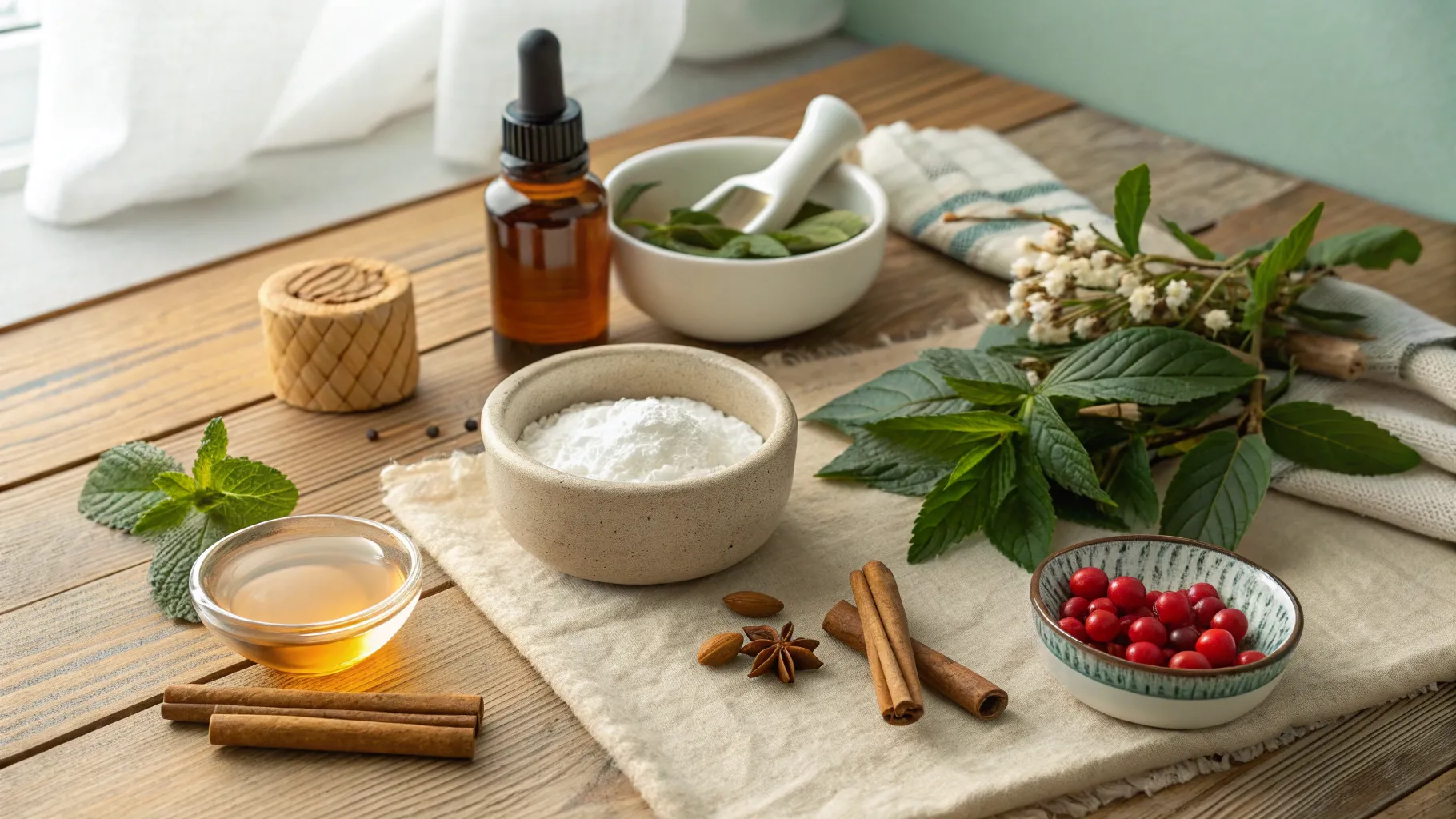
Herbal medicine offers several promising options that are considered valuable natural remedies for pcos symptoms. Spearmint tea, for example, has been shown in studies to have anti-androgenic effects, helping to reduce high levels of male hormones that cause symptoms like hirsutism (excess hair growth) and acne. Drinking two cups daily can yield noticeable results. Cinnamon is another powerful herb known for its ability to improve insulin sensitivity and regulate menstrual cycles. You can easily add it to your oatmeal, smoothies, or tea. Vitex (Chasteberry) is a well-known herb for female reproductive health that can help regulate the menstrual cycle by influencing prolactin levels. It's a key part of many natural remedies for pcos symptoms aimed at restoring regular periods. As with supplements, it's wise to discuss herbal options with a qualified practitioner to ensure safety and proper dosage.
Actionable Steps for Managing Stress and Improving Well-being
Chronic stress is a significant contributor to hormonal imbalance, making stress management a critical component of any plan involving natural remedies for pcos symptoms. High cortisol levels (the stress hormone) can worsen insulin resistance and disrupt ovulation. Implementing daily stress-reduction practices can have a profound impact.
- Mindfulness and Meditation: Dedicate 10-15 minutes each day to mindfulness or meditation apps. This practice can lower cortisol levels, reduce anxiety, and improve your overall sense of calm, making it one of the most accessible natural remedies for pcos symptoms.
- Yoga: This practice combines physical postures, breathing exercises, and meditation. It not only reduces stress but also improves metabolic markers in women with PCOS.
- Spending Time in Nature: Ecotherapy, or simply walking in a natural environment, has been shown to reduce stress and improve mood. Make it a regular part of your week.
- Journaling: Writing down your thoughts and feelings can be a powerful tool for processing stress and gaining clarity, serving as a personal and effective method among the many natural remedies for pcos symptoms.
Frequently Asked Questions
How long does it take for natural remedies for pcos symptoms to work?
The timeline for seeing results from natural remedies for pcos symptoms can vary greatly depending on the individual, the specific remedies used, and consistency. Generally, it may take at least 3-6 months of consistent dietary and lifestyle changes to notice significant improvements in your menstrual cycle and other symptoms.
Can I use natural remedies for pcos symptoms alongside conventional medicine?
Yes, in many cases, an integrative approach is highly beneficial. It is crucial to work with a healthcare provider to ensure that any supplements or herbs you take do not interact with your prescribed medications. Combining approaches often yields the best outcomes for managing PCOS.
Which diet is considered the best among the natural remedies for pcos symptoms?
While there is no single 'best' diet, a low-glycemic, anti-inflammatory diet rich in whole foods is widely recommended. The focus should be on nutrient-dense foods, including lean proteins, healthy fats, and high-fiber carbohydrates, to help manage insulin resistance, which is a core issue in PCOS.
References
- The role of lifestyle modification in PCOS.
- Inositol treatment for women with polycystic ovary syndrome.
- Effects of spearmint tea on androgen levels in women with hirsutism.
- Cinnamon improves glucose and lipids of people with Type 2 diabetes.
- Stress and the female reproductive system.