
Natural Remedies for PCOS Symptoms: A Comprehensive Guide to Managing Your Health
Facts:
- PCOS affects up to 1 in 10 women of childbearing age.
- A growing trend for women with PCOS is adopting holistic health approaches.
Harnessing Nature's Power: A Guide to Managing PCOS Symptoms
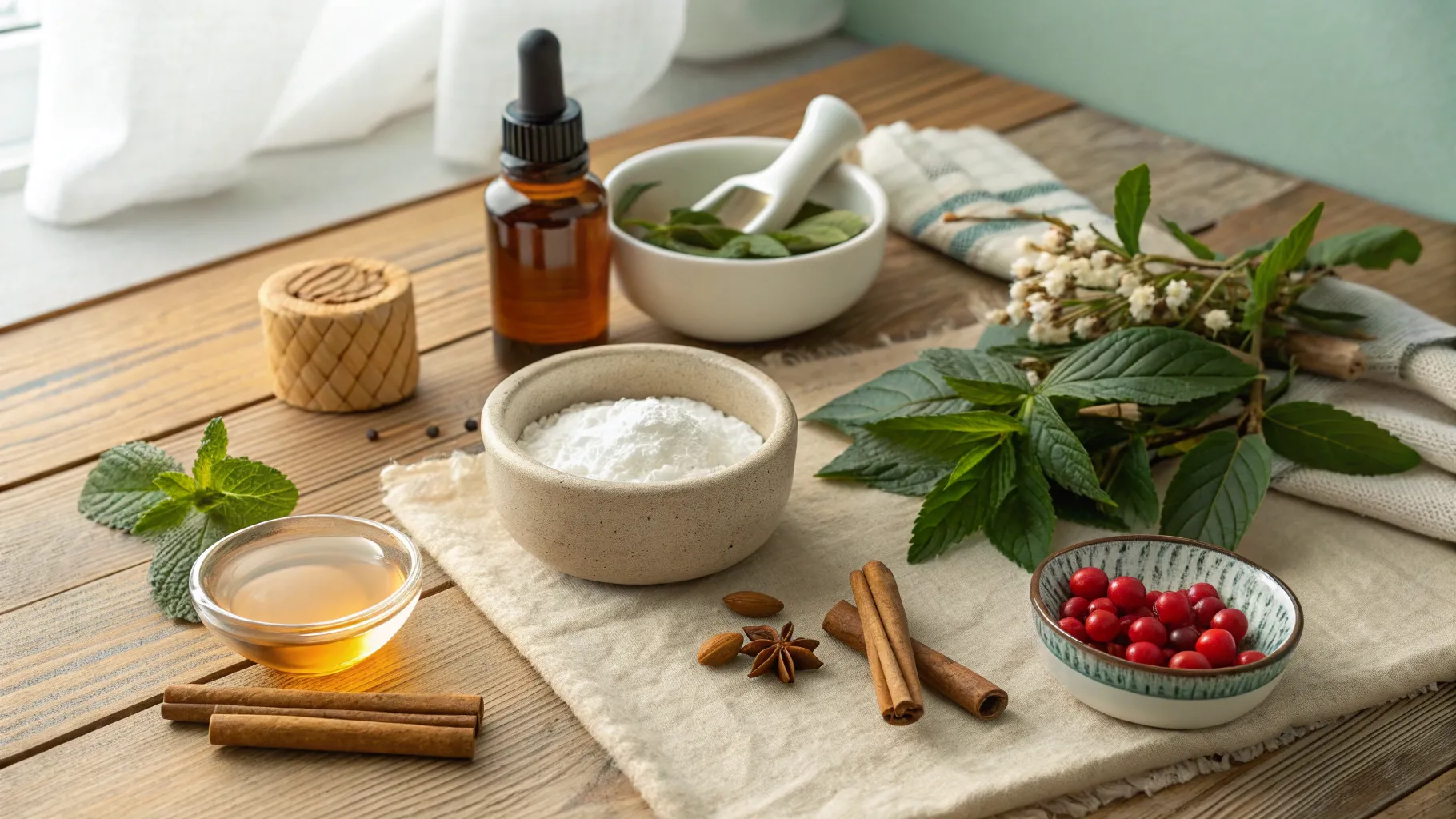
Polycystic Ovary Syndrome (PCOS) is a complex hormonal condition that affects millions of women worldwide, presenting a range of challenging symptoms from irregular periods to metabolic issues. While medical treatments are available, many are turning to a more holistic approach to manage their condition. Exploring natural remedies for pcos symptoms offers a powerful way to support your body, regulate hormones, and alleviate the discomforts associated with PCOS. This guide delves into evidence-backed strategies, from dietary changes to specific herbal supplements, that can work in harmony with your body to restore balance and improve your quality of life. Understanding these options is the first step toward creating a personalized and effective wellness plan.
Dietary Adjustments: The Foundation of Natural PCOS Management
Nutrition is arguably the most critical pillar when it comes to finding effective natural remedies for pcos symptoms. Since many women with PCOS have insulin resistance, managing blood sugar levels is paramount. Adopting a low-glycemic index (GI) diet can be transformative. Low-GI foods, such as whole grains, legumes, and non-starchy vegetables, release sugar into the bloodstream slowly, preventing sharp insulin spikes that can exacerbate hormonal imbalances. Furthermore, an anti-inflammatory diet rich in fatty fish (like salmon), leafy greens, nuts, and berries can help combat the chronic low-grade inflammation often associated with PCOS. It's also essential to focus on a balanced intake of high-quality protein, healthy fats, and fiber-rich carbohydrates to promote satiety, stabilize energy levels, and support overall metabolic health. Reducing or eliminating processed foods, sugary drinks, and refined carbohydrates is a fundamental step in this dietary journey.
Key Herbal Supplements for Hormonal Balance
Beyond diet, certain herbs have been studied for their profound effects on PCOS symptoms. These herbal solutions are a cornerstone of natural remedies for pcos symptoms, targeting specific hormonal pathways. It's crucial to consult with a healthcare provider before starting any new supplement regimen.
Cinnamon
More than just a spice, cinnamon has been shown to improve insulin sensitivity and may help regulate menstrual cycles in women with PCOS. Cassia cinnamon, in particular, contains compounds that can help lower blood glucose levels. Incorporating it into your daily diet, whether in oatmeal, tea, or as a supplement, can be a simple yet effective strategy.
Spearmint Tea
For those struggling with hirsutism (excess hair growth), spearmint tea can be a beneficial natural remedy. Research suggests that drinking two cups of spearmint tea daily can significantly reduce free and total testosterone levels, addressing the androgen excess that drives many distressing PCOS symptoms.
Ashwagandha
As an adaptogenic herb, Ashwagandha helps the body manage stress. Since stress elevates cortisol levels, which can worsen insulin resistance and hormonal disruption in PCOS, managing it is key. Ashwagandha can help balance cortisol levels, potentially improving mood, energy, and overall resilience to stress, making it a valuable tool in your PCOS toolkit.
Lifestyle Modifications: Beyond Diet and Supplements
A holistic approach to PCOS extends beyond what you consume. Daily habits and lifestyle choices play a massive role. Regular physical activity is a non-negotiable component of managing PCOS naturally. A combination of strength training to build muscle mass (which improves insulin sensitivity) and cardiovascular exercise like brisk walking or cycling is ideal. Even moderate exercise for 30 minutes most days of the week can lead to significant improvements in weight management, mood, and menstrual regularity. Equally important is stress management. Chronic stress wreaks havoc on hormones. Practices like yoga, meditation, deep breathing exercises, and ensuring adequate, high-quality sleep can lower cortisol levels and support the endocrine system. Prioritizing these lifestyle factors provides a solid foundation for all other natural remedies for pcos symptoms to work effectively.
The Role of Specific Nutrients and Vitamins
Targeted nutritional supplementation can fill gaps and provide specific support for the metabolic and hormonal dysfunctions seen in PCOS. Inositol, particularly a combination of myo-inositol and D-chiro-inositol, has been extensively studied and shown to improve insulin sensitivity, reduce androgen levels, and promote ovulation. Vitamin D deficiency is also very common in women with PCOS and is linked to insulin resistance and ovulatory dysfunction. Supplementing with Vitamin D can help address these issues. Finally, Omega-3 fatty acids, found in fish oil, are powerful anti-inflammatory agents that can help lower testosterone levels and improve lipid profiles, making them another crucial supplement in the arsenal of natural remedies for pcos symptoms.
Creating Your Personal PCOS Natural Management Plan
Developing a sustainable plan is key to long-term success. Rather than trying to change everything at once, focus on gradual, consistent implementation. Here are actionable steps to get started:
- Focus on Whole Foods: Start by swapping one processed meal or snack per day with a whole-foods alternative. Prioritize lean proteins, healthy fats, and fiber-rich vegetables to stabilize your blood sugar.
- Incorporate Mindful Movement: Find a form of exercise you genuinely enjoy. It could be dancing, hiking, or yoga. Aim for consistency over intensity, especially when you are just starting out.
- Prioritize Sleep: Create a relaxing bedtime routine. Aim for 7-9 hours of quality sleep per night to help regulate cortisol and support hormonal balance, a crucial part of using natural remedies for pcos symptoms.
- Consider Key Supplements: After consulting with a doctor, consider starting with a foundational supplement like Inositol or Vitamin D, based on your specific needs and bloodwork.
- Hydrate with Purpose: Swap sugary drinks for water or herbal teas like spearmint. Proper hydration is essential for cellular function and overall health.
Frequently Asked Questions
How long does it take for natural remedies for pcos symptoms to work?
The timeline for seeing results from natural remedies for pcos symptoms can vary greatly from person to person. Generally, you may start to notice subtle improvements in energy and mood within a few weeks, but more significant changes, such as menstrual cycle regulation or improvements in insulin sensitivity, can take three to six months of consistent effort.
Can I combine conventional treatment with natural remedies for pcos symptoms?
Absolutely. An integrative approach is often the most effective way to manage PCOS. Many women find success using natural remedies for pcos symptoms, such as diet and lifestyle changes, alongside conventional medical treatments prescribed by their doctor. It is essential to maintain open communication with your healthcare provider about all remedies and supplements you are using.
Are there any risks associated with herbal natural remedies for pcos symptoms?
Yes, while herbs are natural, they are also potent and can have side effects or interact with other medications. It is crucial to consult with a healthcare professional, such as a doctor or a qualified herbalist, before starting any new herbal supplement to ensure it is safe and appropriate for your specific health situation.
References
- The Journal of Clinical Endocrinology & Metabolism
- Human Reproduction Update
- Phytotherapy Research
- The American Journal of Obstetrics and Gynecology