A Comprehensive Guide to Natural Remedies for PCOS Symptoms
Facts:
- PCOS affects approximately 1 in 10 women of childbearing age.
- Lifestyle modifications are a primary PCOS management strategy.
Harnessing Nature: A Deep Dive into Managing PCOS Symptoms
Polycystic Ovary Syndrome (PCOS) is a complex hormonal disorder that affects millions of women worldwide, presenting a range of challenging symptoms from irregular periods and fertility issues to weight gain and acne. While medical treatments are available, many are turning towards a holistic approach to manage their condition. Exploring natural remedies for pcos symptoms can empower individuals to take control of their health through diet, supplements, and lifestyle changes. These methods often focus on addressing the root causes of PCOS, such as insulin resistance and hormonal imbalances, offering a complementary path to wellness that works in harmony with the body's own systems.
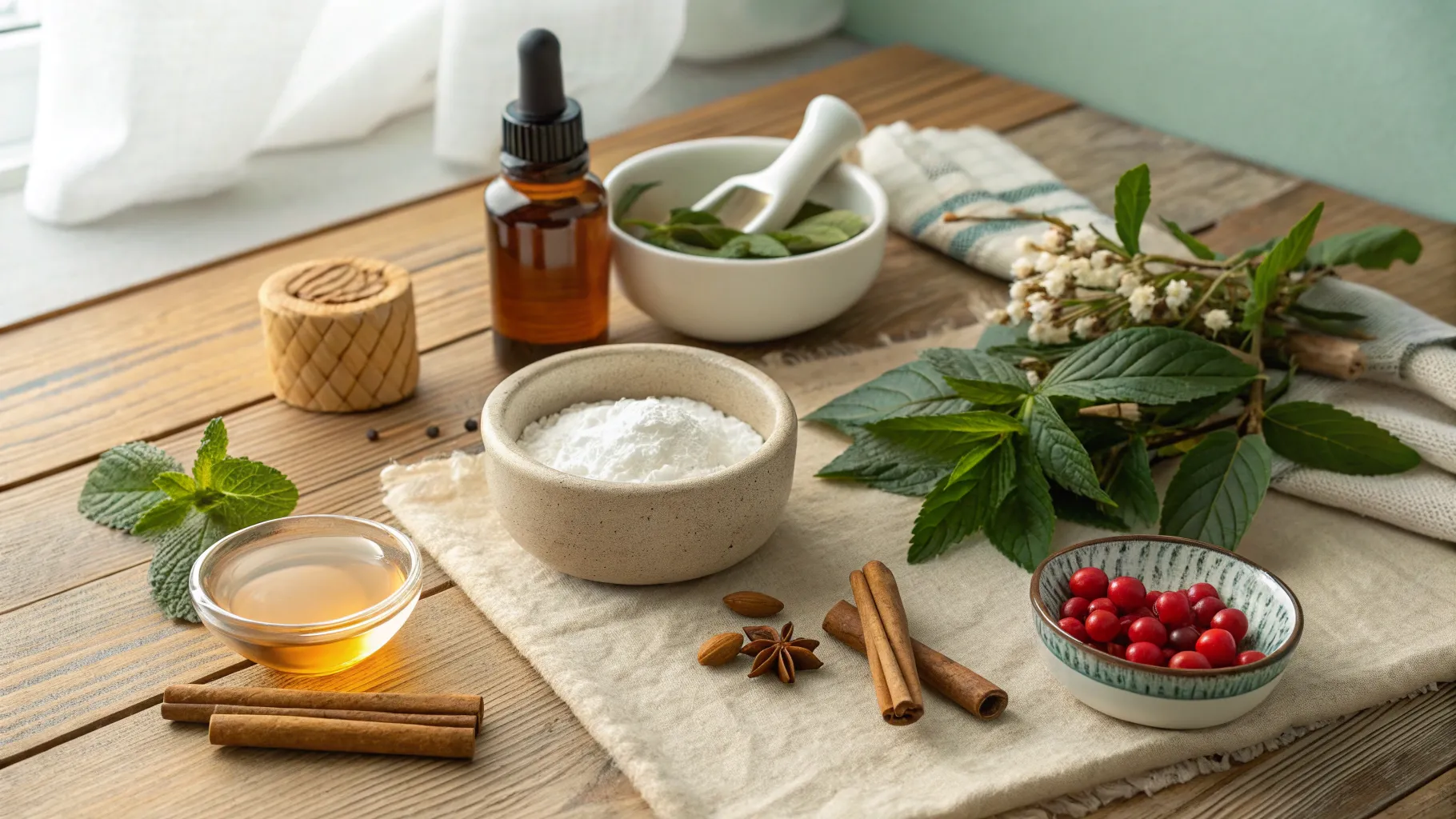
Foundational Lifestyle Adjustments for PCOS
Before diving into specific supplements, the most impactful natural remedies for pcos symptoms involve foundational lifestyle changes. Diet is paramount. Adopting a low-glycemic index (GI) diet, rich in whole foods, can significantly improve insulin sensitivity, which is a key driver of PCOS. This means focusing on non-starchy vegetables, lean proteins, healthy fats, and complex carbohydrates that don't cause sharp spikes in blood sugar. Similarly, regular physical activity is crucial. A combination of cardiovascular exercise and strength training can improve the body's use of insulin, aid in weight management, and reduce the risk of associated metabolic conditions. Consistency in both diet and exercise forms the bedrock upon which other remedies can build.
Key Herbal and Supplemental Remedies
Several herbs and supplements have gained scientific backing for their effectiveness in managing PCOS. These natural remedies for pcos symptoms target specific hormonal and metabolic pathways. It is essential to approach supplementation with care and preferably under the guidance of a healthcare provider.
Inositol for Hormonal Balance
Perhaps one of the most researched supplements for PCOS, inositol (specifically a combination of Myo-inositol and D-chiro-inositol) plays a vital role in the body's insulin signaling pathways. For women with PCOS, who often have impaired insulin sensitivity, inositol can help restore ovulatory function, improve egg quality, and reduce androgen levels, making it one of the most effective natural remedies for pcos symptoms related to fertility and hormonal balance.
Spearmint Tea for Androgen Reduction
High levels of androgens (male hormones) cause many distressing PCOS symptoms like hirsutism (excess hair growth), acne, and hair loss. Research has shown that drinking spearmint tea twice a day can have significant anti-androgenic effects. It helps to lower free and total testosterone levels, offering a simple and accessible way to address these specific concerns.
Cinnamon and Insulin Sensitivity
This common kitchen spice has powerful properties that can benefit those with PCOS. Cinnamon has been shown to improve insulin sensitivity and support more regular menstrual cycles. Incorporating cinnamon into your diet, whether in food, tea, or as a supplement, can be a valuable component of your toolkit of natural remedies for pcos symptoms.
Chasteberry (Vitex Agnus-Castus)
Chasteberry is a well-known herb for female hormonal health. It works by influencing the pituitary gland to help balance progesterone and estrogen levels and can help promote regular ovulation. For women with PCOS experiencing irregular or absent periods, chasteberry may help to restore a more predictable menstrual cycle, though its effects can vary from person to person.
The Role of Diet in Managing PCOS
A targeted nutritional strategy is fundamental. An anti-inflammatory diet is highly beneficial, as chronic low-grade inflammation is a common feature of PCOS. This involves consuming plenty of omega-3 fatty acids from sources like fatty fish, flaxseeds, and walnuts, along with a wide variety of colorful fruits and vegetables rich in antioxidants. Reducing or eliminating processed foods, sugary drinks, and refined carbohydrates can dramatically decrease inflammation and improve insulin resistance. Focusing on nutrient-dense foods supports overall hormonal health and is one of the most powerful natural remedies for pcos symptoms you can control daily.
Actionable Steps for Stress Management
Stress management is a non-negotiable aspect of managing PCOS. The stress hormone, cortisol, can worsen insulin resistance and disrupt hormonal balance. Implementing daily stress-reduction techniques can have a profound impact.
- Mindful Movement: Practices like yoga and tai chi not only reduce stress but also improve metabolic markers. They encourage a mind-body connection that can be incredibly grounding.
- Meditation and Deep Breathing: Just 10-15 minutes of daily meditation or focused breathing exercises can lower cortisol levels, calm the nervous system, and improve your overall resilience to stress.
- Prioritizing Sleep: Poor sleep is a major stressor on the body. Aim for 7-9 hours of quality sleep per night to support hormone regulation and recovery. Establishing a consistent sleep routine is a key part of using natural remedies for pcos symptoms.
When to Consult a Healthcare Professional
While these natural remedies for pcos symptoms can be highly effective, it is crucial to work with a qualified healthcare professional, such as a doctor, endocrinologist, or registered dietitian. PCOS is a complex medical condition, and a proper diagnosis is essential. A professional can help you create a safe and effective treatment plan that may include a combination of conventional and natural therapies, ensuring that your approach is tailored to your specific needs and health profile. Never start a new supplement regimen without first discussing it with your doctor.
Frequently Asked Questions
How long does it take for natural remedies for pcos symptoms to work?
The timeframe for seeing results from natural remedies can vary greatly depending on the individual, the specific remedy, and the consistency of application. Generally, it may take anywhere from three to six months of consistent use to notice significant improvements in symptoms like menstrual regularity or acne.
Can these natural remedies for pcos symptoms replace medication?
In some cases, lifestyle changes and natural supplements may be sufficient to manage symptoms, particularly for mild PCOS. However, they should not be seen as a direct replacement for prescribed medication without consulting a healthcare provider. They are often best used as complementary therapies to a comprehensive treatment plan.
Are there any side effects to these natural remedies?
Yes, even natural products can have side effects or interact with other medications. For example, some herbs can affect hormonal birth control. It is essential to research each remedy and discuss potential side effects and dosages with a healthcare professional before starting any new treatment.
References
- Journal of Clinical Endocrinology & Metabolism: Studies on Inositol and PCOS
- Phytotherapy Research: Effects of Spearmint Tea on Androgen Levels in Women with Hirsutism
- American Journal of Obstetrics and Gynecology: Lifestyle Modification in Polycystic Ovary Syndrome
- Journal of Ovarian Research: The role of inflammation in the pathogenesis of polycystic ovary syndrome