
Effective Natural Remedies for Stress Relief: A Comprehensive Guide
Facts:
- Chronic stress affects over 75% of adults globally.
- There is a growing trend in using natural remedies for stress relief for holistic wellness.
Harnessing Nature's Calm: Your Guide to Stress Management
In our fast-paced modern world, stress has become an all-too-common companion. The constant pressure from work, social obligations, and daily challenges can take a significant toll on our mental and physical well-being. Many are now seeking sustainable and gentle solutions, turning towards natural remedies for stress relief to restore balance and cultivate a sense of calm. These time-tested methods work in harmony with the body's own systems, offering a path to tranquility without the harsh side effects associated with some conventional treatments. Exploring these options can be a transformative step towards managing daily pressures effectively.
Herbal Allies for a Serene Mind
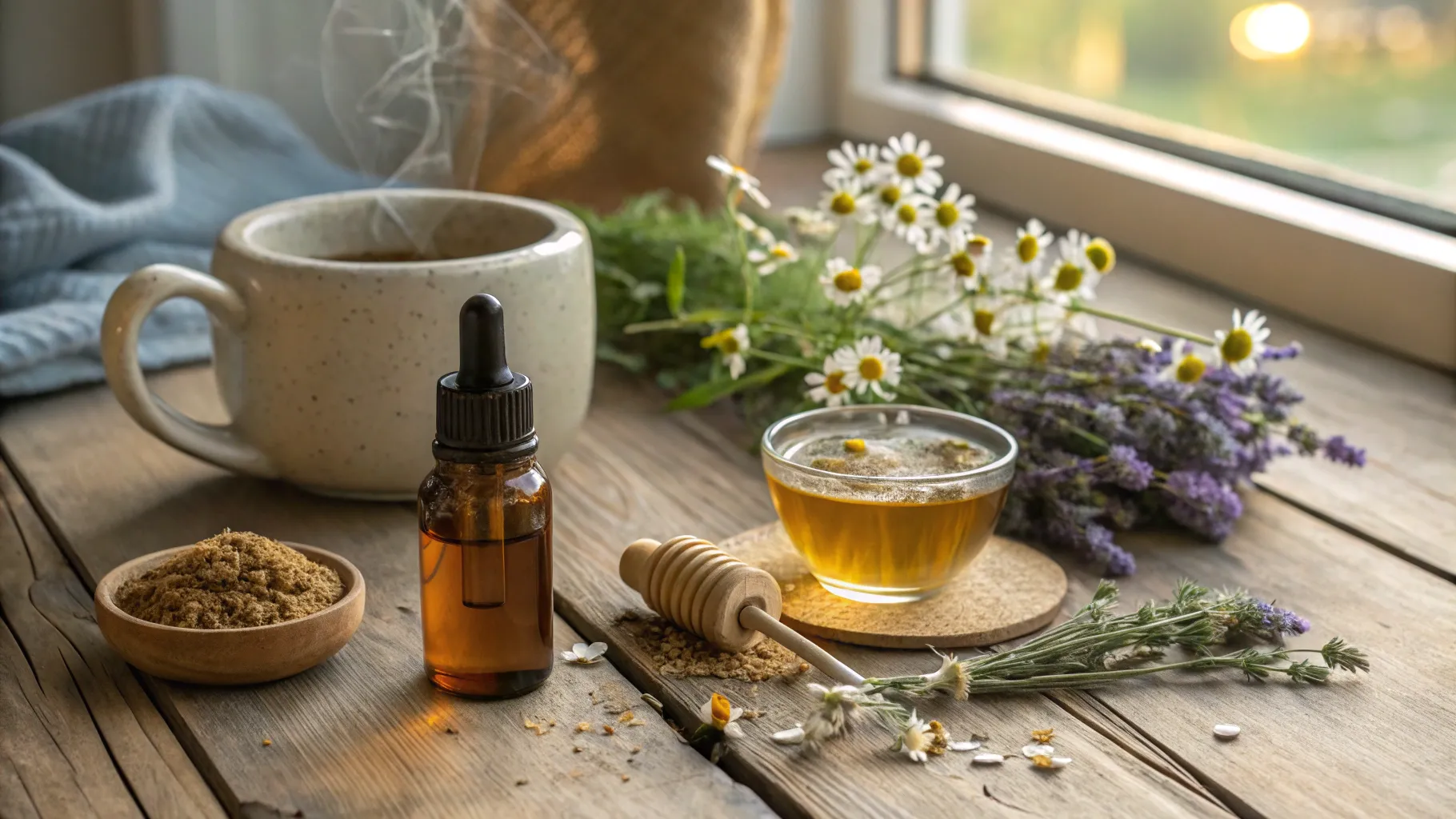
Herbal medicine has been a cornerstone of health for centuries, and many plants possess powerful properties that can soothe the nervous system. These botanicals are excellent natural remedies for stress relief because they often work as adaptogens, helping the body adapt to and resist physical, chemical, and biological stressors. Integrating these herbs into your routine can provide a foundational layer of support for your mental health.
Ashwagandha: The Adaptogenic Powerhouse
Known as a premier adaptogen in Ayurvedic medicine, Ashwagandha (Withania somnifera) is celebrated for its ability to reduce cortisol, the body's primary stress hormone. Regular supplementation has been shown to improve resistance to stress, reduce anxiety, and enhance overall feelings of well-being. As one of the most studied natural remedies for stress relief, it helps stabilize the body's response to pressure, preventing the exhaustive crash that often follows high-stress periods.
Chamomile: The Classic Calming Brew
Chamomile is perhaps one of the most well-known herbs for relaxation. Often consumed as a tea, it contains an antioxidant called apigenin, which binds to specific receptors in your brain that may decrease anxiety and initiate sleep. A warm cup of chamomile tea before bed is a simple yet profound ritual, making it a go-to choice among natural remedies for stress relief for those looking to unwind after a long day.
Lavender: Aromatherapy for Anxiety
The scent of lavender is widely recognized for its calming and sedative effects. Aromatherapy using lavender essential oil can help lower heart rate, reduce blood pressure, and put you in a more relaxed state. Whether diffused in the air, added to a bath, or applied to the skin (diluted with a carrier oil), lavender is a versatile and effective tool in the arsenal of natural remedies for stress relief.
Lifestyle Practices as Natural Stress Relievers
Beyond botanicals, how we live our daily lives has a tremendous impact on our stress levels. Certain lifestyle practices are powerful natural remedies for stress relief that require no supplements, only mindfulness and consistency. These techniques help regulate the nervous system and build emotional resilience over time.
Mindfulness and meditation are at the forefront of these practices. By focusing on the present moment and observing your thoughts without judgment, you can break the cycle of worry and rumination that fuels stress. Even just five to ten minutes of daily meditation can rewire the brain for greater calm and focus. Similarly, deep breathing exercises, such as diaphragmatic breathing, activate the parasympathetic nervous system, signaling to your body that it's safe to relax. This immediate physiological shift makes it one of the most accessible natural remedies for stress relief available anytime, anywhere.
Dietary Approaches to Managing Stress
What you eat plays a critical role in your mental and emotional health. A diet rich in processed foods, sugar, and caffeine can exacerbate stress responses, while a nutrient-dense diet can fortify your body against it. A strategic nutritional approach is a fundamental component of using natural remedies for stress relief. Foods rich in magnesium, like leafy greens, nuts, and seeds, can help regulate neurotransmitters and calm the nervous system. Omega-3 fatty acids, found in fatty fish like salmon, have been shown to reduce inflammation and lower levels of stress hormones. Furthermore, complex carbohydrates like whole grains can boost serotonin levels in the brain, leading to an improved mood and a sense of well-being.
Actionable Steps to Integrate Natural Remedies Daily
Incorporating natural remedies for stress relief into your life doesn't have to be overwhelming. The key is to start small and build consistent habits. Here are some actionable steps you can take:
- Start a Calming Tea Ritual: Begin or end your day with a cup of herbal tea like chamomile or lemon balm. Take the time to savor the warmth and aroma, allowing it to be a mindful moment of peace.
- Practice Mindful Breathing: Set a reminder on your phone to take five deep, slow breaths several times throughout the day. This simple action can instantly lower your stress response in challenging moments.
- Incorporate Aromatherapy: Use a lavender essential oil diffuser in your bedroom or workspace to create a calming atmosphere. You can also place a few drops on a tissue and inhale when you feel stress rising.
- Get Moving in Nature: Regular physical activity is a proven stress-buster. A brisk walk outside combines the benefits of exercise with the restorative effects of being in nature, a powerful combination among natural remedies for stress relief.
- Prioritize Nutrient-Dense Foods: Make a conscious effort to include stress-fighting foods in your diet. Swap a sugary snack for a handful of almonds or add spinach to your smoothie to boost your magnesium intake.
Frequently Asked Questions
How quickly do natural remedies for stress relief work?
The onset of effects varies. Aromatherapy and deep breathing can provide immediate, short-term relief. Herbal supplements like Ashwagandha may take several weeks of consistent use to build up in your system and show their full adaptogenic benefits. Lifestyle changes like diet and exercise create resilience over the long term.
Can I combine different natural remedies for stress relief?
Absolutely. In fact, a holistic approach is often the most effective. Combining a calming herbal tea, daily meditation, and a healthy diet creates a multi-layered defense against stress. However, if you are taking prescription medications or have underlying health conditions, it's wise to consult with a healthcare provider before starting new herbal supplements.
Are there any side effects to consider with these remedies?
While most natural remedies for stress relief are considered safe, some people may experience side effects. For example, some herbs can interact with medications or cause digestive upset in sensitive individuals. It is always best to start with a low dose and consult a healthcare professional, especially if you are pregnant, nursing, or have a pre-existing medical condition.
References
- Journal of Clinical Psychology
- National Center for Complementary and Integrative Health (NCCIH)
- International Journal of Preventive Medicine
- Annals of General Psychiatry