
Read More About Natural Ways to Reduce Inflammation: Your 2025 Guide
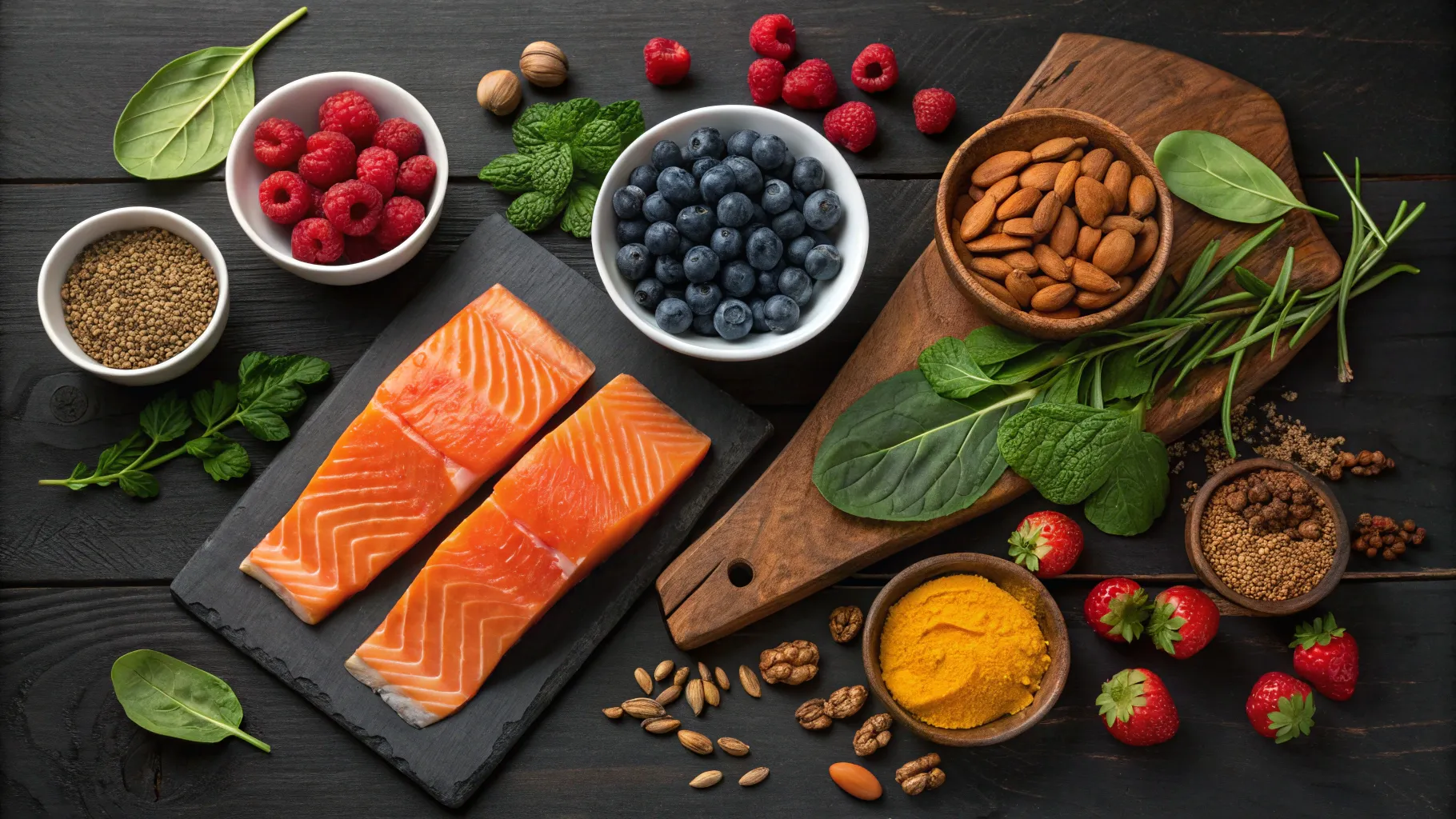
Inflammation is the body's natural defense mechanism, a vital part of the healing process. However, when it becomes chronic, it can contribute to a range of health issues. As we move through 2025, understanding how to manage it is more important than ever. This guide is designed for anyone who wants to read more about natural ways to reduce inflammation and take proactive steps towards better health.
Understanding Chronic vs. Acute Inflammation
Acute inflammation is the immediate, short-term response to an injury or illness, like the swelling from a sprained ankle. Chronic inflammation, on the other hand, is a prolonged, low-level inflammatory response that can persist for months or even years. This persistent state can damage healthy cells and is linked to various health conditions. Understanding the difference is the first step in addressing the root cause.
The Anti-Inflammatory Diet: Fueling Your Body for Health
One of the most powerful tools against chronic inflammation is your diet. By focusing on whole, nutrient-dense foods, you can significantly lower inflammatory markers in your body. If you're looking to read more about natural ways to reduce inflammation, your plate is the perfect place to start.
Key Foods to Incorporate:
- Fatty Fish: Salmon, mackerel, and sardines are rich in omega-3 fatty acids, which have potent anti-inflammatory effects.
- Berries and Cherries: These fruits are packed with antioxidants and compounds called anthocyanins that fight inflammation.
- Leafy Greens: Spinach, kale, and collard greens are excellent sources of vitamin E, which plays a key role in protecting the body from inflammatory molecules.
- Nuts and Seeds: Almonds, walnuts, and flaxseeds provide healthy fats and antioxidants.
- Olive Oil: Extra virgin olive oil contains oleocanthal, a compound with effects similar to anti-inflammatory drugs.
Lifestyle Adjustments to Lower Inflammation
Beyond diet, certain lifestyle habits are crucial for managing inflammation. A holistic approach that includes how you move, rest, and manage stress is essential for long-term success.
Effective Lifestyle Strategies:
Regular Physical Activity: Aim for at least 30 minutes of moderate-intensity exercise, like brisk walking or cycling, most days of the week. Consistent movement helps lower inflammatory markers and maintain a healthy weight.
Prioritize Quality Sleep: Poor sleep is a major driver of inflammation. Strive for 7-9 hours of quality, uninterrupted sleep per night to allow your body to repair and regulate itself.
Manage Stress Levels: Chronic stress elevates cortisol, a hormone that can trigger inflammation. Practices like meditation, yoga, deep breathing, or spending time in nature can effectively reduce stress.
Herbs and Spices: Nature's Anti-Inflammatory Agents
Many herbs and spices have been used for centuries for their medicinal properties. Integrating them into your cooking can provide a significant anti-inflammatory boost.
- Turmeric: Contains curcumin, a powerful compound known for its strong anti-inflammatory and antioxidant benefits.
- Ginger: This versatile root can help reduce inflammation and soothe the digestive system.
- Cinnamon: Not just for flavor, cinnamon has antioxidant properties that can help fight inflammation.
- Garlic: Contains sulfur compounds that have been shown to inhibit the activity of inflammatory enzymes.
When to Consult a Healthcare Professional
While these natural approaches are beneficial, it's important to work with a healthcare professional, especially if you have an existing medical condition or suspect you have chronic inflammation. They can provide a proper diagnosis and create a personalized plan tailored to your needs. This guide serves as a starting point for those who want to read more about natural ways to reduce inflammation and make informed choices for their well-being.
References:
https://www.health.harvard.edu/staying-healthy/foods-that-fight-inflammation
https://www.healthline.com/nutrition/13-anti-inflammatory-foods
https://www.mayoclinic.org/healthy-lifestyle/nutrition-and-healthy-eating/in-depth/anti-inflammatory-diet/art-20453889