
Navigating Non-Surgical Nasal Polyps Treatment Options
Facts:
- Nasal polyps affect 4% of adults.
- Improved nasal polyps medication options for chronic rhinosinusitis.
Understanding the Landscape of Non Surgical Nasal Polyps Treatment
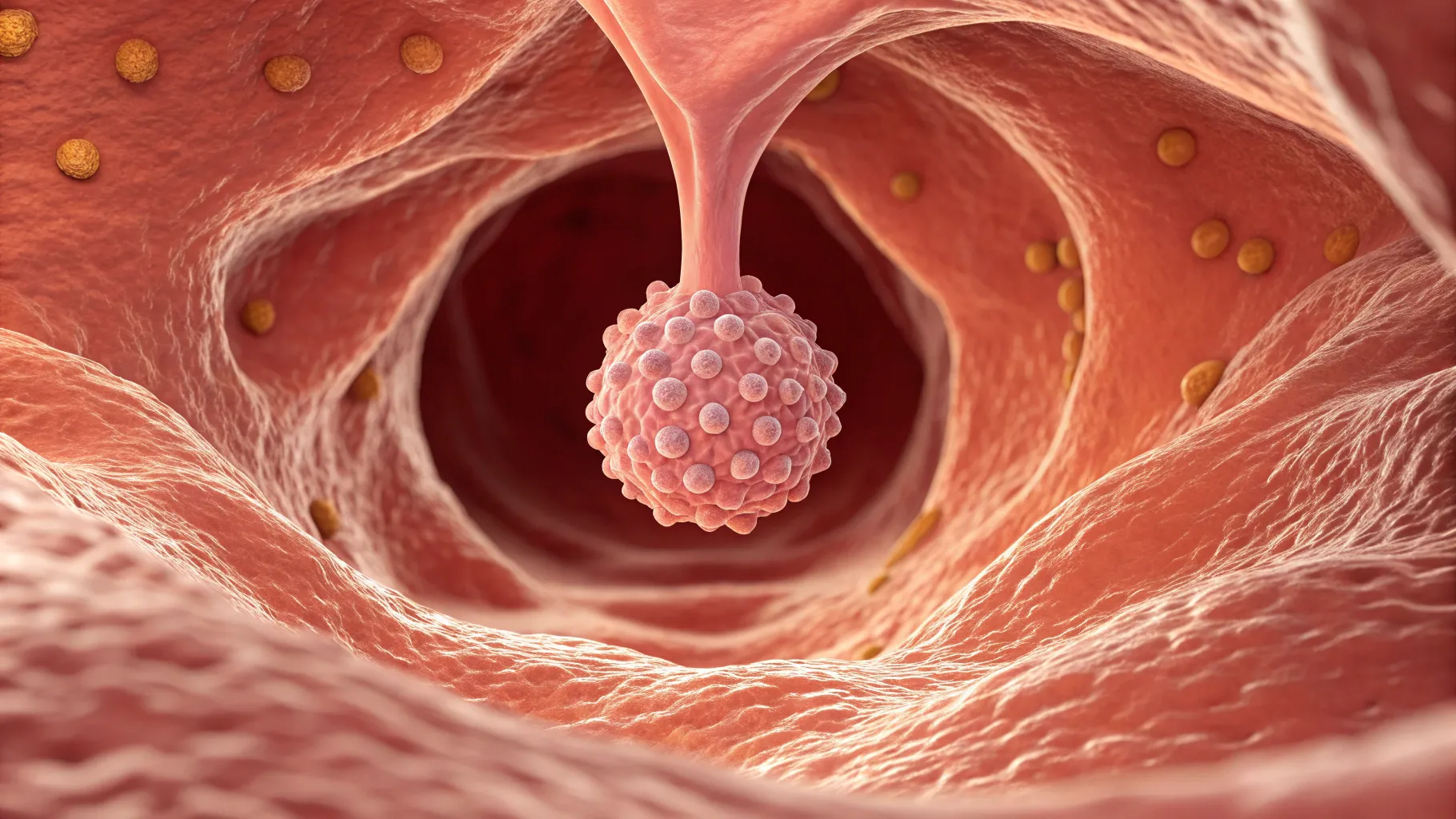
For individuals grappling with the persistent discomfort and breathing difficulties caused by nasal polyps, exploring effective non surgical nasal polyps treatment is often the first and preferred course of action. These benign growths within the nasal passages and sinuses can significantly impact quality of life, making the search for relief paramount. Fortunately, advancements in medical management of nasal polyps offer a range of sophisticated strategies aimed at reducing polyp size, alleviating symptoms, and preventing recurrence without resorting to surgery. This comprehensive guide delves into the various approaches available, from conventional medications to complementary therapies, empowering you with knowledge about the best path forward.
The Foundation of Nasal Polyps Medication Options
The cornerstone of non surgical nasal polyps treatment often lies in pharmacological interventions designed to reduce inflammation and shrink polyps. These medication options are carefully selected based on the severity of symptoms, the size and number of polyps, and individual patient factors, forming the core of medical management of nasal polyps.
Topical Corticosteroids
Intranasal corticosteroids are the most commonly prescribed nasal polyps medication options. Delivered directly to the nasal passages as sprays, they work by reducing inflammation and swelling within the sinus lining, which in turn helps to shrink existing polyps and prevent new ones from forming. Regular and consistent use of this steroid treatment for nasal polyps is crucial for optimal results, often requiring several weeks or even months to achieve significant improvement. Patients typically experience fewer systemic side effects compared to oral steroids due to the localized delivery.
Oral Corticosteroids
For more severe cases or when topical steroids prove insufficient, a short course of oral corticosteroids may be prescribed. This form of steroid treatment for nasal polyps is highly effective at rapidly reducing inflammation and shrinking larger polyps. However, due to potential systemic side effects such as increased blood pressure, bone density loss, and elevated blood sugar, oral corticosteroids are generally used for a limited duration and as part of an aggressive initial phase of medical management of nasal polyps before transitioning to long-term topical therapy.
Biologics
Recent breakthroughs have introduced biologic medications, a newer class of advanced nasal polyps medication options, particularly for individuals with severe chronic rhinosinusitis with nasal polyps that haven't responded to conventional therapies. These drugs, administered via injection, target specific inflammatory pathways responsible for polyp growth. Biologics represent a significant advancement in non surgical nasal polyps treatment, offering hope for patients who previously had limited choices, and often dramatically reduce polyp size and improve symptoms.
Advanced Medical Management of Nasal Polyps
Beyond the primary steroid-based treatments, a holistic approach to medical management of nasal polyps involves considering various other strategies and supplementary therapies to address symptoms and underlying conditions.
Antihistamines and Decongestants
While not directly treating the polyps themselves, antihistamines can be helpful if allergies contribute to nasal inflammation, alleviating symptoms like sneezing and runny nose. Decongestants, though providing temporary relief from congestion, should be used sparingly and for short periods to avoid rebound congestion, and are not a primary component of non surgical nasal polyps treatment for polyp reduction.
Antibiotics
Antibiotics are not a direct non surgical nasal polyps treatment for polyps, but they play a critical role if secondary bacterial infections develop within the sinuses. Such infections can exacerbate symptoms and complicate the overall medical management of nasal polyps, making appropriate antibiotic therapy essential to clear the infection and support the healing process.
Leukotriene Modifiers
For patients with nasal polyps associated with aspirin-exacerbated respiratory disease (AERD) or asthma, leukotriene modifiers may be included as part of their nasal polyps medication options. These medications work by blocking inflammatory chemicals called leukotrienes, which can contribute to both asthma and polyp formation, thereby supporting the broader medical management of nasal polyps and associated respiratory conditions.
Exploring Natural Support for Nasal Polyps
While not a substitute for medical intervention, various natural approaches and lifestyle adjustments can offer complementary natural support for nasal polyps, helping to manage symptoms and improve overall nasal health when integrated into a comprehensive non surgical nasal polyps treatment plan.
Saline Rinses
Regular nasal irrigation with a saline solution is a simple yet effective method of natural support for nasal polyps. It helps to clear mucus, allergens, and irritants from the nasal passages, reducing inflammation and improving the efficacy of topical steroid treatment for nasal polyps. Daily use can contribute significantly to symptom relief and maintaining nasal hygiene.
Dietary Modifications
Adopting an anti-inflammatory diet can be a valuable form of natural support for nasal polyps. Reducing intake of processed foods, sugars, and potential allergens while increasing consumption of fruits, vegetables, and omega-3 fatty acids may help reduce systemic inflammation that contributes to polyp growth. Identifying and avoiding specific food triggers, if present, is also an important aspect of this dietary approach for medical management of nasal polyps.
Herbal Remedies and Supplements
Some individuals explore herbal remedies and supplements as natural support for nasal polyps. While scientific evidence is often limited, certain compounds like bromelain (an enzyme found in pineapple) and turmeric (curcumin) are known for their anti-inflammatory properties. It is crucial to consult with a healthcare professional before incorporating any supplements, as they can interact with prescribed nasal polyps medication options or have other contraindications.
Comparing Non Surgical Nasal Polyps Treatment Approaches
When considering non surgical nasal polyps treatment, it's essential to understand that an integrated approach often yields the best outcomes. While nasal polyps medication options like corticosteroids and biologics form the primary line of defense, incorporating natural support for nasal polyps can enhance symptom relief and overall well-being. Conventional medications target the underlying inflammation directly and are typically faster-acting, crucial for significant polyp reduction. However, natural support mechanisms, though slower and less direct in polyp shrinkage, contribute to long-term sinus health, reduce symptom frequency, and can minimize reliance on higher doses of medication. A combined strategy ensures comprehensive medical management of nasal polyps, addressing both acute symptoms and chronic inflammation for sustained relief.
Long-Term Strategies for Effective Nasal Polyps Management
Regular Follow-ups
- Consistent medical oversight is paramount for successful non surgical nasal polyps treatment. Regular appointments allow your doctor to monitor polyp size, assess symptom improvement, and adjust nasal polyps medication options as needed. This proactive approach ensures that your treatment plan remains optimized for long-term efficacy and helps in identifying potential issues early.
Adherence to Treatment
- The effectiveness of steroid treatment for nasal polyps and other prescribed medications hinges on consistent use. Skipping doses or discontinuing treatment prematurely can lead to polyp recurrence and worsening of symptoms. Strict adherence to your doctor's recommendations for all aspects of medical management of nasal polyps is vital.
Identifying Triggers
- Working with your healthcare provider to identify and minimize exposure to potential triggers, such as allergens (dust mites, pollen, pet dander) or irritants (smoke, strong odors), can provide significant natural support for nasal polyps. Allergy testing may be recommended to pinpoint specific sensitivities, enabling more targeted avoidance strategies.
Lifestyle Adjustments
- Adopting a healthy lifestyle, including regular exercise, a balanced anti-inflammatory diet, and adequate hydration, contributes to overall immune system function and can indirectly support the non surgical nasal polyps treatment process. Managing stress, which can impact immune responses, is also an important aspect of comprehensive polyp management.
Frequently Asked Questions
Can non surgical nasal polyps treatment permanently cure polyps?
While non surgical nasal polyps treatment, particularly with advanced nasal polyps medication options like biologics and diligent steroid treatment for nasal polyps, can effectively shrink polyps and manage symptoms for extended periods, it does not guarantee a permanent cure. Nasal polyps have a tendency to recur, especially in individuals with underlying conditions like chronic rhinosinusitis or asthma. Continuous medical management and adherence to treatment plans are often necessary to prevent recurrence and maintain symptom control.
What are the side effects of steroid treatment for nasal polyps?
Topical steroid treatment for nasal polyps (nasal sprays) generally has localized and mild side effects, such as nasal dryness, irritation, nosebleeds, or a sore throat. Systemic side effects are rare. Oral corticosteroids, however, can have more significant side effects due to their systemic action, including increased appetite, weight gain, mood changes, insomnia, fluid retention, and elevated blood sugar or blood pressure with prolonged use. Your doctor will weigh the benefits against these risks when prescribing oral steroids as part of medical management of nasal polyps.
How long does it take for nasal polyps medication options to work?
The time it takes for nasal polyps medication options to show noticeable improvement can vary. For intranasal corticosteroids, consistent use over several weeks to a few months is typically required to see significant shrinkage of polyps and symptom relief. Oral corticosteroids usually provide more rapid relief, often within a few days to a week. Biologic medications may take several weeks to a few months to demonstrate their full therapeutic effect. Patience and consistent adherence to the prescribed non surgical nasal polyps treatment plan are crucial for optimal outcomes.
References
- Current guidelines for chronic rhinosinusitis and nasal polyps.
- Clinical trials on biologics for severe nasal polyposis.
- Studies on the efficacy of intranasal corticosteroids in polyp reduction.
- Research on the role of anti-inflammatory diets in sinus health.