
Understanding NHS Hearing Aid Eligibility: What Seniors Need to Know in 2026
Fast Facts:
- Over 12 million people in the UK have hearing loss.
- Demand for NHS audiology services is projected to rise significantly for seniors by 2030.
Navigating NHS Hearing Aid Eligibility Criteria for Seniors in 2026
For many seniors across the United Kingdom, understanding the nuances of NHS hearing aid eligibility is a crucial step towards improving their quality of life. As we look towards 2026, the National Health Service continues to be a cornerstone for providing essential healthcare, including comprehensive hearing loss support UK. This guide aims to demystify the process, outlining the criteria and steps involved for older adults seeking free hearing aids through the NHS, ensuring they have access to the vital assistance they need.
Initial Assessment and Referral Process
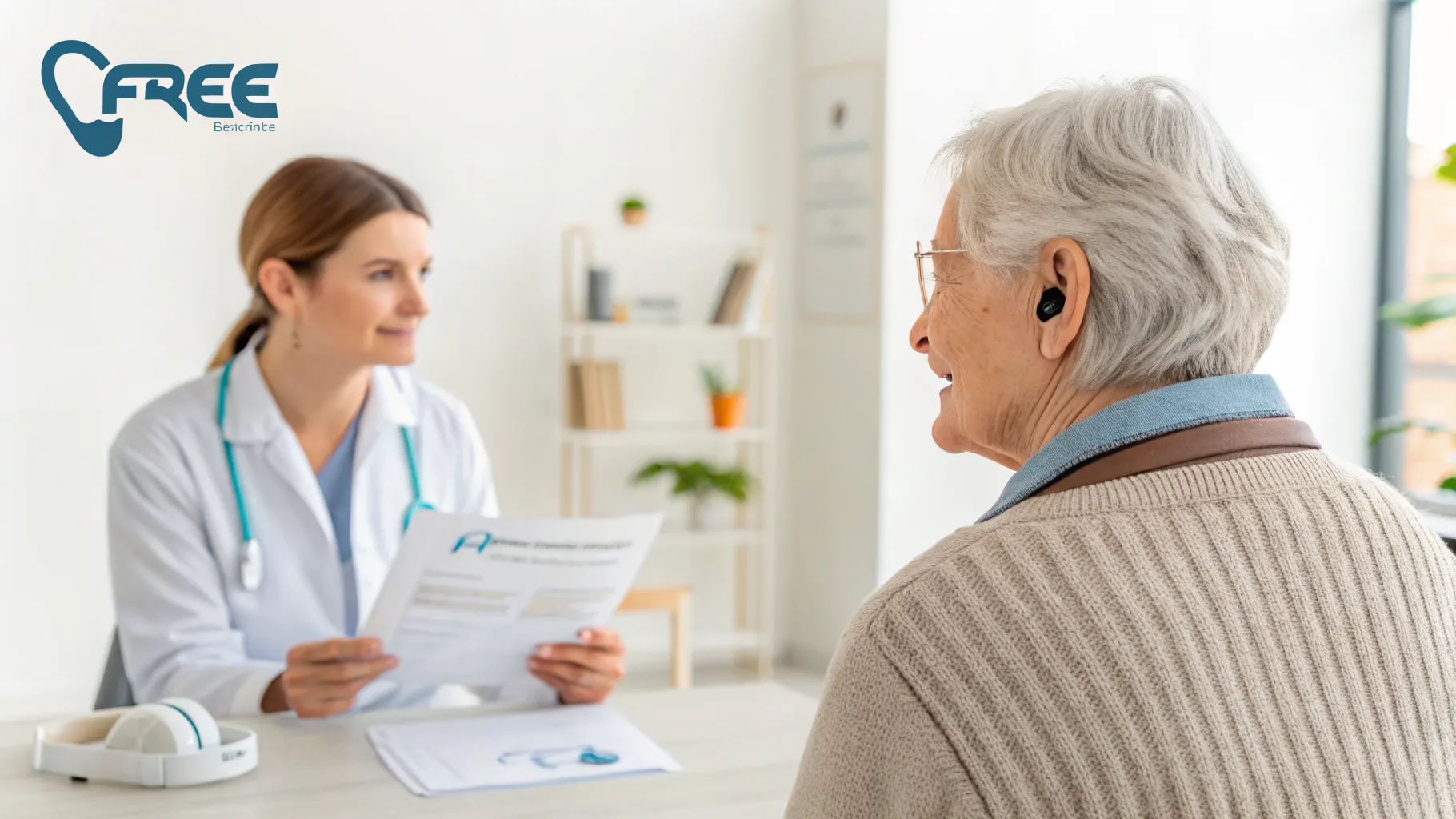
Delving into the initial stages, seniors begin their journey towards obtaining senior hearing aids by consulting their General Practitioner (GP). The GP serves as the gatekeeper, conducting an initial assessment of reported hearing difficulties and general health. Should the GP suspect a treatable hearing loss, a referral to specialist NHS audiology services will be made. This step is pivotal, as early intervention can significantly impact the effectiveness of subsequent treatments. Patients can expect a comprehensive audiological evaluation, which typically includes a series of tests to determine the type, degree, and configuration of hearing loss. Such tests might involve pure-tone audiometry, speech audiometry, and impedance audiometry. Understanding what to expect during these appointments, including the documentation of medical history and current medications, is vital for a smooth process. Waiting times for referrals to specialist services can vary geographically across the UK, making it beneficial to inquire about local estimates during the initial GP consultation, ensuring proactive management of one's NHS hearing aid eligibility.
Understanding the Eligibility Criteria for NHS Hearing Aids
The provision of free hearing aids by the NHS is not universal but based on specific clinical eligibility criteria designed to ensure resources are directed where they are most needed. The core requirement is typically a diagnosis of a significant and permanent hearing loss that demonstrably impacts the individual's ability to communicate effectively and participate in daily activities. While age is often correlated with hearing loss, it is the clinical necessity, rather than age alone, that determines NHS hearing aid eligibility. Audiologists assess the impact of hearing loss on a patient's quality of life and communication, evaluating if a hearing aid can realistically provide substantial benefit. Common types of hearing loss addressed include sensorineural hearing loss, often associated with aging, and certain forms of conductive hearing loss. It is important to note that very mild hearing loss or hearing issues that do not significantly affect daily function may not meet the eligibility threshold, emphasizing the clinical basis of this essential hearing loss support UK.
Types of Senior Hearing Aids Available Through the NHS
When it comes to senior hearing aids, the NHS primarily provides robust and functional devices designed for effectiveness and ease of use. The most commonly offered types are Behind-The-Ear (BTE) and, less frequently, In-The-Ear (ITE) aids, tailored to suit various degrees of hearing loss and individual dexterity. BTE aids are typically larger, sitting behind the ear with a tube connecting to a custom-made earmould or a dome in the ear canal. They are often more powerful and durable, making them suitable for a wide range of hearing losses, including severe to profound. ITE aids are custom-made to fit inside the ear, offering a more discreet option for those with mild to moderate hearing loss. While NHS-provided free hearing aids may not boast the cutting-edge features or ultimate discretion of some privately purchased models, they are highly effective at amplifying sound and significantly improving communication. Patients receive comprehensive guidance on battery life, maintenance, and the specific functionalities of their device, ensuring they get the maximum benefit from their hearing loss support UK.
Maintenance, Repairs, and Ongoing Support for Senior Hearing Aids
Receiving free hearing aids from the NHS marks the beginning of continuous support designed to ensure long-term effectiveness. Ongoing care is a crucial aspect of NHS audiology services, providing comprehensive assistance with maintenance, repairs, and adjustments. Seniors are typically advised on routine cleaning and care practices to maximize the lifespan and performance of their devices. The NHS usually offers free battery replacements, accessible through local audiology departments or designated distribution points, and provides repair services for malfunctioning aids. If an earmould becomes uncomfortable or your hearing changes, re-assessment and new earmould fittings or adjustments are part of the service. These provisions are critical for maintaining the functionality of senior hearing aids and adapting to any changes in hearing over time. Understanding how to access these services, whether through scheduled appointments or drop-in clinics, is key to maximizing the benefits of this vital hearing loss support UK.
Exploring Alternatives and Supplementary Hearing Loss Support UK
While NHS hearing aid eligibility provides crucial baseline support, seniors may also wish to explore alternative or supplementary options to enhance their hearing health. Private hearing aid clinics offer a broader range of advanced technologies, often with more discreet designs, extended features (like Bluetooth connectivity), and personalized fitting services. However, these come at a significant cost. Beyond hearing aids, various charitable organizations and support groups across the UK provide invaluable resources, from advice and advocacy to peer support and sometimes even financial assistance for hearing-related needs. Assistive Listening Devices (ALDs) such can also complement senior hearing aids. These might include specialized telephones, TV listeners, personal sound amplifiers, or vibrating alarms, which can be particularly useful in specific environments. These devices may be available through social services, local councils, or specialist retailers. A holistic approach, combining NHS provisions with additional resources, can significantly enhance overall hearing loss support UK.
Preparing for Your Audiology Appointment and Maximizing Benefits
To make the most of your NHS audiology services appointments, preparation is key. Seniors are strongly encouraged to bring a trusted family member or friend, not only for emotional support but also to help remember details and ask questions. Compile a concise list of your hearing difficulties, specifying situations where you struggle most (e.g., in noisy environments, on the phone, watching TV). Clearly articulate your expectations from free hearing aids and any concerns you might have. During the fitting and adjustment process, provide honest feedback to the audiologist about comfort, sound quality, and how the device feels. Active participation in this stage is crucial for optimal customization. Adherence to a trial period, if offered, and promptly reporting any issues or discomfort will ensure the best possible outcome. Maximizing the benefits from your senior hearing aids is a collaborative effort between you and your audiology team, reinforcing the effectiveness of hearing loss support UK.
Frequently Asked Questions
What are the primary criteria for NHS hearing aid eligibility?
The primary criteria for NHS hearing aid eligibility revolve around a clinical diagnosis of a permanent hearing loss that significantly impacts daily communication and quality of life. An audiology assessment by an NHS professional will determine the degree and type of your hearing loss, alongside evaluating how a hearing aid could benefit you. Age is a factor in who is primarily referred, but the decision is based on clinical need, not solely on age.
Are all types of senior hearing aids available for free through the NHS?
The NHS provides a range of effective and functional free hearing aids, primarily focusing on behind-the-ear (BTE) and sometimes in-the-ear (ITE) models, depending on the individual's hearing loss and clinical suitability. While these devices are of high quality and designed to improve hearing significantly, they may not always include the most advanced technological features or discreet designs found in privately purchased aids. The selection is based on clinical appropriateness and effectiveness.
How long is the waiting list for NHS audiology services for new patients?
Waiting times for NHS audiology services can vary across different regions of the UK due to local demand and resource availability. While efforts are made to keep waiting lists manageable, it's advisable to inquire about current wait times at your local clinic upon referral from your GP. Some areas might offer faster access through specific pathways, especially for urgent cases. It's always best to prepare for a potential wait and follow up with your GP surgery if you have concerns.
What kind of ongoing support is offered for hearing loss support UK?
The NHS offers comprehensive ongoing hearing loss support UK once you receive your hearing aids. This includes regular follow-up appointments for adjustments, maintenance, and ear mould changes. You can also typically access free battery replacements and repair services for your NHS-provided device. Many clinics provide information and advice on living with hearing loss, and some may signpost to local support groups or charities that offer additional assistance and community connections.
Can I get both free hearing aids from the NHS and a private one?
Yes, it is generally possible to have free hearing aids from the NHS for one ear and a privately purchased one for the other, or to use a private hearing aid in addition to or instead of an NHS one. However, it's crucial to discuss this with your NHS audiologist. They can provide guidance on compatibility and ensure that any private devices do not interfere with the effectiveness or clinical management of your NHS care. Combining services can offer flexibility but requires coordination.
References
- National Institute for Health and Care Excellence (NICE) guidelines on hearing loss.
- Department of Health and Social Care reports on audiology services.
- Royal National Institute for Deaf People (RNID) statistics and policy briefs.
- World Health Organization (WHO) data on age-related hearing loss.
- NHS England publications on service delivery and patient pathways.