
Your Complete Guide to Non Surgical Treatment for Nasal Polyps
Facts:
- Nasal polyps affect up to 4% of the population.
- Biologic drugs are a growing trend for treating severe polyps.
Exploring Effective Pathways for Nasal Polyps Without Surgery
Living with nasal polyps can be a daily struggle, impacting your ability to breathe, smell, and sleep soundly. For many, the thought of surgery is daunting, which is why exploring non surgical treatment for nasal polyps is a primary concern. The good news is that numerous effective options exist, allowing for significant symptom relief and management of polyps without invasive procedures. Understanding these alternatives is the first step toward reclaiming your quality of life. The focus of modern medicine has shifted towards providing powerful nasal polyps medication options that target the underlying inflammation, offering a path to managing nasal polyps without surgery and achieving long-term comfort.
The Cornerstone: Steroid Treatment for Nasal Polyps
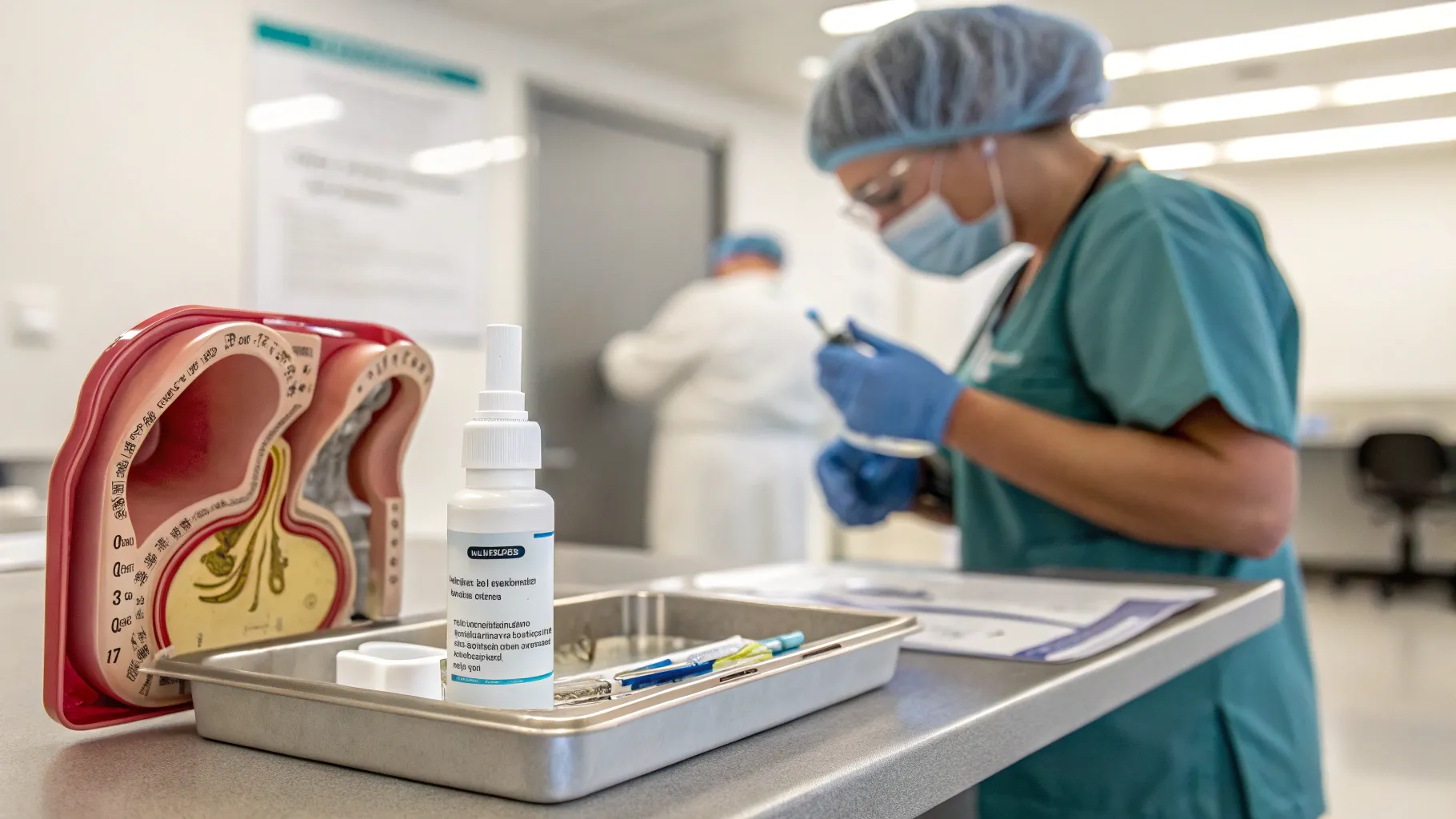
The most common and often first-line approach for non surgical nasal polyps treatment involves corticosteroids. These powerful anti-inflammatory agents are highly effective at shrinking or even eliminating nasal polyps. The primary method of delivery is through nasal sprays. Corticosteroid nasal sprays, such as fluticasone, budesonide, or mometasone, deliver the medication directly to the affected tissues, minimizing systemic side effects. Consistent daily use is crucial for the success of this steroid treatment for nasal polyps. For more severe cases or for a rapid reduction in symptoms, a doctor might prescribe a short course of oral steroids like prednisone. While very effective, oral steroids are used for shorter durations due to a higher risk of side effects. This dual approach makes steroid treatment for nasal polyps a versatile and fundamental part of the treatment plan.
Advanced Nasal Polyps Medication Options
When nasal sprays and occasional oral steroids aren't enough, advanced nasal polyps medication options come into play. A significant breakthrough in the management of chronic rhinosinusitis with nasal polyposis (CRSwNP) is the introduction of biologic drugs. Medications like Dupilumab (Dupixent) are injectable monoclonal antibodies that target specific inflammatory pathways (Type 2 inflammation) responsible for polyp growth. This targeted approach offers a highly effective non surgical treatment for nasal polyps for patients with severe, recurrent polyps, often helping them avoid repeated surgeries. Other medications that may be considered include leukotriene modifiers, which can help reduce inflammation, particularly in patients who also have asthma and allergies. These advanced therapies represent a paradigm shift in handling persistent nasal polyps without surgery.
Comparing Medical Therapies: Which Non Surgical Nasal Polyps Treatment is Right for You?
Choosing the right non surgical nasal polyps treatment depends on the severity of your symptoms, the size of your polyps, and your overall health. For mild cases, corticosteroid nasal sprays are often sufficient to manage symptoms and keep polyps from growing. They are safe for long-term use and have minimal side effects. If polyps are larger or symptoms are more severe, a course of oral steroids can provide rapid relief, followed by maintenance with nasal sprays. For individuals with persistent, severe polyps who have not responded to other treatments, biologic drugs offer a powerful alternative to surgery. This treatment is a longer-term commitment but can provide profound and lasting relief. A thorough discussion with an ENT specialist is essential to weigh the pros and cons of each of the nasal polyps medication options and tailor a plan that effectively manages your condition of nasal polyps without surgery.
Managing Symptoms: Proactive and Supportive Care Strategies
Beyond prescribed medications, several supportive strategies can enhance the effectiveness of your non surgical treatment for nasal polyps and improve your daily comfort. Integrating these habits into your routine can make a significant difference in managing nasal inflammation and preventing polyp recurrence. These simple, at-home actions support the medical treatments you are receiving.
- Saline Nasal Rinses: Using a saline wash or rinse with a neti pot or squeeze bottle helps to clear mucus, allergens, and irritants from your nasal passages. This can reduce inflammation and improve the effectiveness of your medicated nasal sprays by allowing them to reach the tissue more directly.
- Humidifiers: Dry air can irritate your nasal passages. Using a humidifier, especially in the bedroom while you sleep, can help keep the nasal lining moist, soothe irritation, and prevent crusting.
- Avoid Nasal Irritants: Actively avoiding triggers like tobacco smoke, chemical fumes, dust, and other airborne pollutants can prevent the inflammation that contributes to polyp growth. This is a crucial step in any plan for managing nasal polyps without surgery.
- Manage Allergies and Asthma: Since nasal polyps are often linked to allergies and asthma, effectively managing these conditions is vital. Work with your doctor to control your allergy and asthma symptoms, which in turn will help control the inflammation that causes polyps.
Frequently Asked Questions
Can nasal polyps go away with non surgical treatment for nasal polyps?
Yes, in many cases, nasal polyps can shrink significantly or disappear completely with consistent medical treatment. A dedicated steroid treatment for nasal polyps, especially nasal sprays, can effectively manage and reduce polyp size over time. For more severe cases, biologics offer a high success rate.
How long does steroid treatment for nasal polyps take to work?
While some relief from symptoms like congestion may be felt within a few days, it typically takes several weeks to a few months of consistent use of corticosteroid nasal sprays to see a noticeable reduction in polyp size. Oral steroids, however, can produce results much faster, often within days.
Are there permanent solutions for nasal polyps without surgery?
While medical treatments can be highly effective, nasal polyps have a tendency to recur, as they are often caused by chronic underlying inflammation. Therefore, managing nasal polyps without surgery is typically an ongoing process. Long-term use of nasal sprays and management of related conditions like allergies are key to keeping them at bay permanently.
References
- Journal of Allergy and Clinical Immunology
- American Academy of Otolaryngology—Head and Neck Surgery
- National Institute of Allergy and Infectious Diseases
- Clinical Reviews in Allergy & Immunology