Navigating Non-Surgical Treatment for Nasal Polyps: Your Guide to Medication Options
Facts:
- Nasal polyps affect up to 4% of the population.
- Growing trend in non-surgical nasal polyps treatment for chronic rhinosinusitis patients.
Understanding Non Surgical Treatment for Nasal Polyps
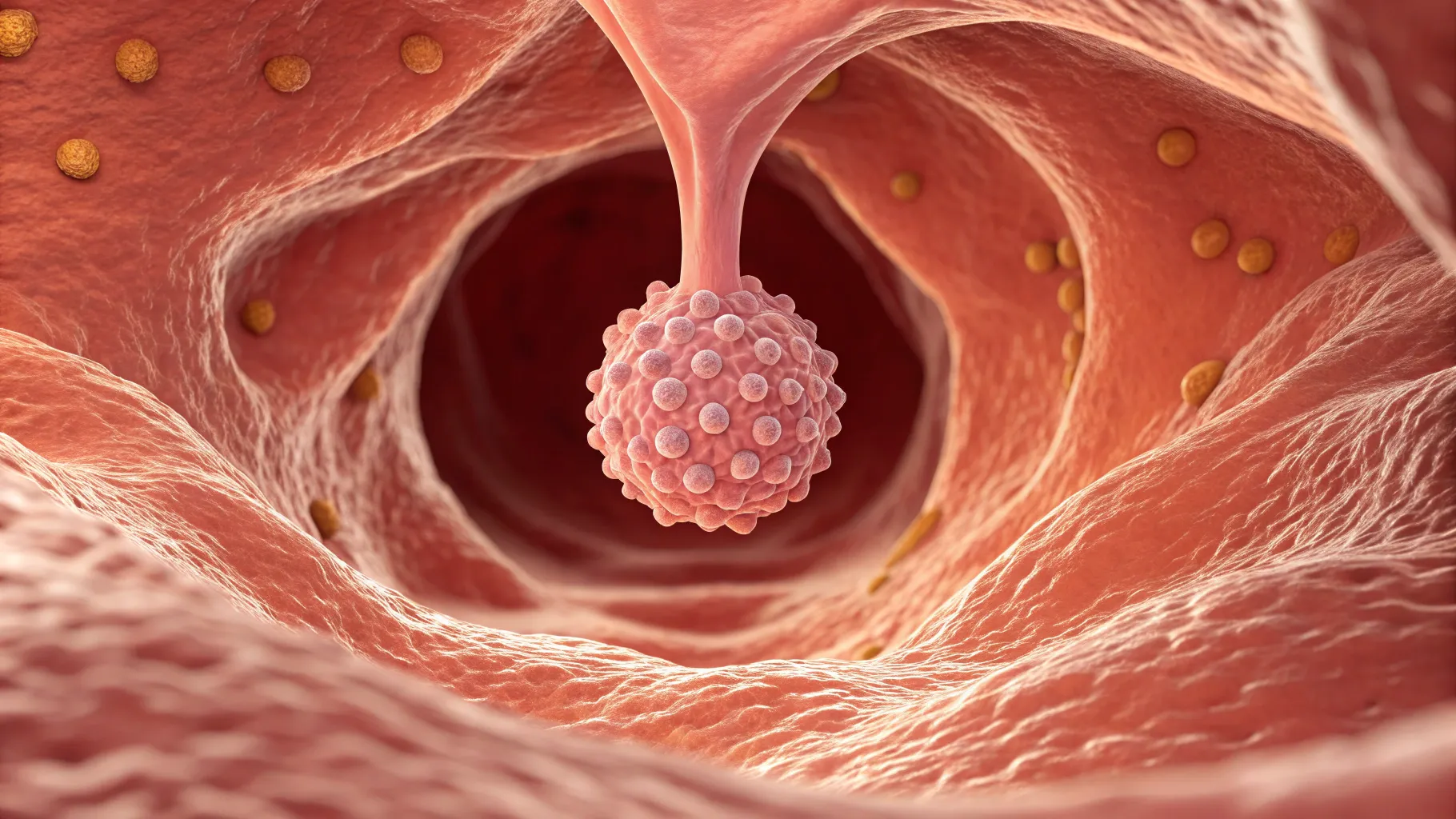
Nasal polyps, benign growths in the nasal passages or sinuses, can significantly impair breathing, sense of smell, and overall quality of life. While surgery is an option for severe cases, there is a growing emphasis on effective non surgical treatment for nasal polyps. Many individuals are seeking to manage their symptoms and reduce polyp size through various strategies that do not involve invasive procedures, making non surgical nasal polyps treatment a highly sought-after solution for chronic sufferers. This comprehensive guide explores the array of available methods to help you find relief.
Exploring Nasal Polyps Medication Options
When considering nasal polyps without surgery, medication forms the cornerstone of treatment. A variety of pharmacological approaches are available, each designed to reduce inflammation, shrink polyps, and alleviate symptoms. Understanding these nasal polyps medication options is crucial for effective management and can often prevent the need for surgical intervention. These options range from topical applications to systemic treatments, tailored to the individual's condition and severity.
Steroid Treatment for Nasal Polyps
Corticosteroids are by far the most common and effective non surgical nasal polyps treatment. They work by reducing inflammation and swelling, which can help shrink the polyps. There are several forms of steroid treatment for nasal polyps:
- Nasal Corticosteroid Sprays: These are often the first line of defense. Sprays like fluticasone, budesonide, mometasone, and triamcinolone deliver corticosteroids directly to the nasal lining, minimizing systemic side effects. They must be used consistently for several weeks to see significant improvement and are a key part of managing nasal polyps without surgery long-term.
- Oral Corticosteroids: For more severe cases or acute flare-ups, a short course of oral corticosteroids (e.g., prednisone) may be prescribed. These are highly effective at rapidly reducing inflammation and shrinking polyps but are generally not suitable for long-term use due due to potential systemic side effects. They provide a quick relief, often bridging the gap until other nasal polyps medication options can take effect.
- Corticosteroid Injections: In some cases, steroids may be injected directly into the polyps. This localized approach can offer targeted relief with fewer systemic effects, though it is less common than sprays or oral courses.
The efficacy of steroid treatment for nasal polyps largely depends on adherence to the prescribed regimen and the individual's response to the medication. Regular follow-ups with an ENT specialist are essential to monitor progress and adjust treatment as needed.
Lifestyle Adjustments and Complementary Approaches for Nasal Polyps Without Surgery
Beyond pharmacological interventions, several lifestyle adjustments and complementary therapies can support the management of nasal polyps without surgery. These methods aim to reduce irritants, improve nasal hygiene, and support overall sinus health, working in conjunction with primary non surgical nasal polyps treatment strategies.
- Saline Nasal Rinses: Regular irrigation of the nasal passages with a saline solution can help clear mucus, allergens, and irritants, reducing inflammation and improving the effectiveness of other nasal polyps medication options. This simple practice can make a significant difference in comfort and symptom control.
- Humidifiers: Maintaining adequate humidity in the indoor environment can prevent nasal passages from drying out and becoming irritated, which can exacerbate polyp symptoms.
- Allergen Avoidance: If allergies contribute to your nasal inflammation, identifying and avoiding triggers is paramount. This can involve using air purifiers, encasing bedding, and minimizing exposure to dust mites, pollen, and pet dander.
- Dietary Considerations: Some individuals find that certain dietary changes, such as reducing inflammatory foods or identifying food sensitivities, can help manage chronic inflammation associated with nasal polyps, though scientific evidence is still evolving in this area.
- Supplements: While not a standalone non surgical treatment for nasal polyps, some supplements like omega-3 fatty acids or certain antioxidants are explored for their anti-inflammatory properties, but should always be discussed with a healthcare provider.
When to Consider Non Surgical Nasal Polyps Treatment Versus Surgery
The decision to pursue non surgical treatment for nasal polyps over surgery is a critical one, influenced by various factors including polyp size, symptom severity, patient preferences, and overall health. Generally, initial management focuses on non surgical nasal polyps treatment, particularly with corticosteroids, due to its effectiveness and lower risk profile. Patients with small to medium-sized polyps, or those with mild to moderate symptoms that respond well to medication, are excellent candidates for managing nasal polyps without surgery. However, if symptoms persist or worsen despite consistent medical therapy, or if the polyps are exceptionally large and cause significant obstruction, surgery may become a more viable option. A thorough evaluation by an ENT specialist will help determine the most appropriate path, weighing the benefits and risks of each approach. The goal is always to achieve the best possible quality of life with the least invasive methods.
Navigating Long-Term Management and Monitoring
Effective management of nasal polyps, especially through non surgical treatment for nasal polyps, often requires a long-term strategy involving consistent medication use and regular medical oversight. Nasal polyps have a tendency to recur, even after successful treatment, which makes ongoing monitoring crucial. Patients utilizing nasal polyps medication options, such as nasal steroid sprays, should adhere to their regimen diligently and avoid discontinuing treatment prematurely, as this can lead to symptom relapse. Regular follow-up appointments with an ear, nose, and throat (ENT) specialist are essential to assess polyp size, evaluate symptom control, and make any necessary adjustments to the treatment plan. This proactive approach ensures that the chosen non surgical nasal polyps treatment remains effective over time, helping individuals maintain clear breathing and a good quality of life. Understanding the chronic nature of the condition and committing to consistent management are key to successful outcomes for those managing nasal polyps without surgery.
Practical Steps for Effective Non Surgical Nasal Polyps Treatment
- Consult an ENT Specialist: A proper diagnosis and personalized treatment plan are crucial. Your doctor will assess your condition and recommend the most suitable non surgical treatment for nasal polyps.
- Adhere Strictly to Medication: Consistency is key, especially with steroid treatment for nasal polyps. Follow your doctor's instructions precisely for optimal results.
- Identify and Avoid Triggers: Minimize exposure to allergens, irritants, and pollutants that can exacerbate nasal inflammation.
- Maintain Good Nasal Hygiene: Regular saline rinses can significantly aid in symptom management and improve the effectiveness of nasal polyps medication options.
- Schedule Regular Follow-ups: Ongoing monitoring by your ENT specialist is vital to track progress, prevent recurrence, and adjust your non surgical nasal polyps treatment plan as needed.
Frequently Asked Questions
What are the primary non surgical nasal polyps treatment options?
The primary non surgical nasal polyps treatment options include topical and oral corticosteroids, antihistamines, leukotriene inhibitors, and more recently, biologic therapies, all aimed at reducing inflammation and shrinking polyps.
How effective is steroid treatment for nasal polyps?
Steroid treatment for nasal polyps is highly effective, especially nasal corticosteroid sprays, in reducing inflammation, shrinking polyps, and alleviating symptoms for many individuals. Oral steroids offer quicker relief for severe cases.
Can I manage nasal polyps without surgery completely?
Many individuals can effectively manage nasal polyps without surgery, especially with consistent medication and lifestyle adjustments. However, severe or persistent cases may eventually require surgical intervention if non-surgical methods prove insufficient.
What are the side effects of nasal polyps medication options?
Side effects of nasal polyps medication options vary. Nasal sprays may cause local irritation, nosebleeds, or dryness. Oral corticosteroids can have more systemic effects like weight gain, mood changes, or increased blood pressure with prolonged use. Biologics have their own set of potential side effects, which should be discussed with your doctor.
References
- Current guidelines for the diagnosis and management of chronic rhinosinusitis with nasal polyps.
- Review of corticosteroid efficacy in reducing nasal polyp size and symptoms.
- Studies on the role of biologics in refractory chronic rhinosinusitis with nasal polyps.
- Clinical trials evaluating various non-surgical approaches for nasal polyposis.
- Research on the long-term outcomes of medical versus surgical management of nasal polyps.