
Toys for puppy dogs: A Comprehensive Guide to Selection and Safety
The Importance of Selecting Age-Appropriate Puppy Toys
Selecting appropriate toys for puppy dogs is a critical component of early development, as young animals require items specifically designed for their smaller jaws and emerging baby teeth 1. Using toys that are too hard or inappropriately sized can lead to oral injuries or damage to household furniture if the puppy redirects its chewing instincts toward improper outlets 1. Veterinarians and trainers emphasize the use of natural rubber formulas, which are often more gentle on sensitive gums compared to rigid plastic alternatives that may shatter 2, 3. Durable, non-toxic construction is the primary benchmark for safety, as puppies are prone to investigating objects through mouthing and ingestion 3.
Rubber Chew Toys and Teething Support
Rubber chew toys are frequently recommended to soothe teething pain and provide necessary mental enrichment during a puppy's most formative months 4, 5. Many of these tools feature specialized shapes that allow for the inclusion of treats or kibble, which transforms chewing sessions into engaging, food-motivated games 6. For instance, some rubber toys utilize internal cavities that can be filled with peanut butter or puppy-specific pastes, and in some cases, frozen to provide cooling relief for inflamed gums 7. These designs often incorporate unpredictable bounciness to facilitate independent play and improve coordination 8.
| Toy Type | Primary Benefit | Ideal Usage |
|---|---|---|
| Rubber Teethers | Gum relief/durability | Teething phases |
| Interactive Puzzles | Cognitive development | Supervised stimulation |
| Soft Tug Toys | Building engagement | Light, supervised play |
| Treat Dispensers | Mental enrichment | Reducing separation anxiety |
Interactive Puzzle Toys for Cognitive Growth
Interactive puzzle toys are designed to improve a puppy's problem-solving skills and prevent boredom during periods of restricted activity 9. These toys, which often range from beginner levels with simple, achievable movements to more complex mechanisms, are useful for building a puppy's confidence in learning new tasks 10. By encouraging curiosity through structured, positive reinforcement, these tools help foster better concentration and focus 9. Professionals advise that puzzle toys should generally be used during supervised sessions to ensure the puppy does not become frustrated or damage the mechanism 11.
Soft Toys and Tug Equipment
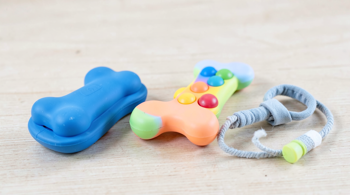
While plush or soft toys are often chosen for comfort, they require careful monitoring to prevent the ingestion of loose parts or synthetic stuffing, which can cause gastrointestinal obstructions 12, 13. Tug toys specifically made for puppies, often featuring bungee handles to reduce sudden tension, are useful for introducing play while protecting a young dog's developing mouth 14. It is important to note that these items are typically not intended for heavy-duty chewing and should be stored out of reach when not in active use 14.
General Safety and Maintenance Guidelines
Safety is the primary consideration when maintaining a collection of toys for growing dogs. Avoid any products that contain small, detachable parts like plastic eyes, buttons, or non-secure fabric ribbons, as these represent significant choking hazards 15. Consistent inspection of all items is necessary; if a toy begins to show signs of damage, fraying fibers, or loose segments, it should be removed and discarded immediately to prevent ingestion risks 16. Furthermore, rotating a puppy's toys can help maintain engagement and prevent the development of obsessive chewing behaviors on a single object 17.
Developing Healthy Play Habits
Integrating toys into a puppy's routine assists with both physical and mental conditioning. Using toys for training exercises, such as crate acclimation or reinforcing calm behavior, provides a structured framework for a puppy to learn acceptable boundaries 18. When selecting gear, owners should look for indicators of quality, such as certifications of material safety or recommendations from established veterinary bodies 19. Regardless of the toy chosen, the ultimate goal of any play equipment should be to support the puppy's physical health, soothe dental discomfort, and provide a safe outlet for instinctual behaviors 20.
Sources
- The Spruce Pets: Expert advice on selecting safe and durable toys for teething puppies.
- KONG Company: Focus on rubber chew toys specifically designed for puppy teething phases.
- PetMD: Safety considerations for choosing non-toxic materials and durable construction.
- American Kennel Club: Guidance on why interactive and mental stimulation toys are crucial for puppy development.
- PDSA: Details on the importance of rotating toys to maintain puppy interest and engagement.
- Walmart: Product specifications for rubber treat-stuffable puppy toys.
- PetEssentialsMfg: Information on the development of puppy-safe, treat-dispensing rubber toys.
- JeffersPet: Usage of treat-dispensing bones for teething comfort and healthy chewing habits.
- CleverTails: Introduction to beginner-level puppy puzzle toys for cognitive enrichment.
- RSPCA: General guidelines for puppy play and supervised socialization with toys.
- Zooplus: Considerations for soft, latex-based toys suitable for supervised puppy play.
- Blue Cross: Tips on identifying potential choking hazards in common dog toys.
- General Pet Welfare Research: Risks associated with ingestible toy materials and stuffing.
- Ruffdog: Guidelines for safe, low-tension tug play for young puppies.
- Nylabone: Design standards for puppy starter kits aimed at early developmental stages.
- Veterinary Centers of America: Veterinary perspectives on safe chewing habits and toy durability.
- Petdirect: Guidance on essential items for new puppy transition kits.
- SodaPup: Benefits of using treat-dispensing toys for crate training and anxiety reduction.
- Animates: Marketplace insights for puppy-safe accessories.
- Pet.co.nz: Recommendations for high-quality puppy play gear.