
14-dniowy rejs: Islandia dla poszukiwaczy przygód 2026: An Analytical Overview of Expedition Planning
Planning a 14-day voyage to Iceland for 2026 requires an understanding of the evolving landscape for maritime travel in the North Atlantic. These long-haul itineraries are increasingly structured to provide access to remote regions, such as the Westfjords and the Hornstrandir Nature Reserve, which are often unreachable via standard land-based tourism 1. As demand for specialized Arctic exploration grows, prospective travelers must navigate complex logistical considerations including ship capacity, regulatory environmental compliance, and regional port limitations 2.
Defining the 14-Day Expedition Scope
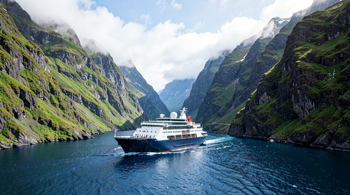
A 14-day duration represents an ideal window for a comprehensive circumnavigation of Iceland. Unlike shorter, 8-to-13-day voyages that often focus on specific coastal sectors, the 14-day timeline allows for deeper exploration of remote Icelandic locales and frequently includes transit through the Faroe Islands or parts of Greenland 3. Expedition-style cruises, often defined by small-ship experiences with fewer than 200 passengers, prioritize flexibility to accommodate frequent zodiac landings, glacier hiking, and specialized naturalist-led excursions 4.
For the 2026 season, major operators like Hurtigruten, Ponant, and Lindblad Expeditions have implemented booking frameworks that emphasize these extended, adventure-heavy itineraries 5. These journeys are distinct from traditional cruise ship offerings, as they are equipped with specialized navigation technology and smaller hulls capable of accessing shallower, less populated fjords 6.
Regulatory Oversight and Environmental Sustainability
Iceland maintains strict environmental regulations regarding the volume of maritime traffic allowed within its ports. This is a critical factor for the 2026 planning cycle, as the government continues to manage the ecological footprint of cruise vessels in sensitive ecosystems 7. Travelers should be aware that the Visit Iceland authority actively monitors port accessibility and requires strict adherence to environmental safety protocols, which can influence the frequency of arrivals and the total number of ships permitted in any single location 8.
Because these regulations can lead to schedule changes, flexibility remains a core component of any expedition plan. It is common for cruise lines to include clauses reserving the right to adjust itineraries based on weather conditions or local port constraints to ensure both passenger safety and environmental preservation 9.
Port Departures and Strategic Positioning
While Reykjavik serves as the primary hub for most Icelandic expeditions, the logistics of 2026 itineraries often vary based on the departure point. Some expeditions utilize repositioning voyages that begin in Scotland or Norway before heading toward the Icelandic coast 10. Understanding the starting point is essential, as some routes departing from Hamburg offer 12-to-13-day itineraries that include stops in places like Invergordon, Kirkwall, and the Shetland Islands, serving as a gateway to the broader North Atlantic experience 11.
| Itinerary Type | Typical Duration | Focus Area |
|---|---|---|
| Circumnavigation | 12-14 Days | Complete Island coverage |
| North Atlantic Transit | 13-15 Days | Scotland, Iceland, Greenland |
| Coastal Expedition | 8-10 Days | Regional Fjord exploration |
Logistics of 2026 Maritime Travel
The financial landscape for 14-day luxury expedition cruises to Iceland is reflective of the specialized equipment and expert staff required for high-latitude navigation. Current market projections for 2026 indicate that costs typically start between $12,000 and $20,000 NZD per person, depending on the operator and cabin tier 12. These prices generally encompass extensive, all-inclusive, or semi-inclusive packages that cover expert-led shore excursions, gear for remote landing, and onboard academic programming 13.
When assessing options for 2026, potential participants should differentiate between large-vessel cruise experiences, such as those found on the MSC Preziosa or Costa Favolosa, which focus on 12-to-13-day regional sailing paths, and smaller, specialized expedition vessels 14. The former offers hotel-style luxury and frequent stops in major hubs like Akureyri and Isafjordur, while the latter focuses on remote, wilderness-heavy exploration 15.
Maintenance and Seasonal Considerations
Summer remains the primary operational window for Arctic and North Atlantic expeditions, with most scheduled voyages occurring between July and August. Travelers should note that even within these peak months, weather volatility remains a constant factor in the North Atlantic 16. Operators frequently update their schedules in real-time to mitigate the impact of sea states, ensuring that excursions are not compromised by rapid atmospheric changes 17.
Maintenance of these schedules relies heavily on the collaboration between cruise lines and local authorities to ensure that port infrastructure can support the incoming traffic without overwhelming local resources. Potential participants are advised to monitor updates from providers like Silversea, Seabourn, or Viking Expeditions to stay informed on specific route developments for the 2026 season 18.
Risk Mitigation and Selection Criteria
Choosing an expedition provider for 2026 requires an evaluation of the carrier's track record in Arctic environments. Key factors include the inclusion of naturalist staff, the vessel’s ice-class rating, and the frequency of zodiac usage for shore exploration 19. A 14-day voyage is a significant time commitment, and identifying an itinerary that balances educational content with adventure is vital for the overall experience. Potential explorers are encouraged to review the specific inclusions for each vessel, as some ships provide comprehensive equipment for outdoor activities, while others focus on interior, luxury-oriented programming 20.
Sources
- Visit Iceland: Port and Expedition Regulations
- CruiseMapper: Reykjavik Port 2026 Tracking
- Aurora Expeditions: Arctic and Iceland Regional Insights
- Ponant: Northern Europe and Iceland Expedition Schedules
- Hurtigruten: Small Ship Voyages and Westfjords Itineraries
- Lindblad Expeditions: Naturalist-Led Arctic Exploration
- Silversea Cruises: Ultra-Luxury Circumnavigation Options
- Viking Cruises: Long-Haul Iceland and Greenland Routes
- Seabourn: Expedition Vessel Specifications
- Explora Journeys: Extended North Atlantic Sailing Paths
- AleRejsy.pl: MSC Preziosa and Costa Favolosa 2026 Data
- General Market Projections for 2026 Expedition Cruises
- Standard Expedition Pricing Models
- Itaka: Cruise Itinerary Analysis
- Unique Moments Travel: Specialized Voyage Offerings
- Climate and Weather Variability in North Atlantic Waters
- Safety and Navigation Standards for Arctic Exploration
- Vessel Maintenance and Infrastructure Coordination
- Operator Selection Criteria for 2026
- Expedition Inclusion Standards (Gear and Education)