
12-day Milford Sound vacation with flights and excursions included: An Analytical Overview of Multi-Day Travel Planning
A 12-day itinerary encompassing a visit to Milford Sound typically requires careful synchronization of domestic air travel and regional ground transport to maximize time across both the North and South Islands 1. These comprehensive travel packages generally function by bundling logistical necessities, such as inter-island flights and guided ground excursions, into a single structured experience 3. Travelers often find that these tours prioritize a balanced exposure to diverse landscapes, ranging from geothermal regions in the north to the glacial and alpine features of the southern territory 1, 4.
Structuring the 12-Day Itinerary
Most curated 12-day packages begin in major urban hubs like Auckland and conclude in southern destinations such as Christchurch or Queenstown 1. This trajectory allows participants to move through significant landmarks including the Waitomo Glowworm Caves, the geothermal centers of Rotorua, and the cinematic landscape of the Hobbiton movie set before crossing the Cook Strait 3, 4, 9. The inclusion of professional guides and internal flights helps mitigate the complexities of navigating New Zealand’s geography within a limited time frame 3, 5.
On the South Island, the itinerary often transitions to alpine environments and rugged coastal vistas. Travel segments frequently include the TranzAlpine train route or drives across Arthur’s Pass, leading into the Franz Josef and Fox Glacier regions 3, 8. By structuring the trip this way, operators aim to provide a comprehensive look at the nation's geological diversity while ensuring that essential transit between remote attractions remains managed and predictable for the traveler 5, 10.
Milford Sound Excursion Logistics
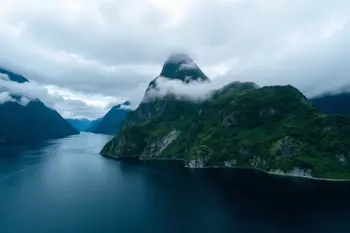
Accessing Milford Sound remains a focal point for these 12-day vacation packages, with operators offering various methods to navigate the remoteness of Fiordland National Park 2, 8. A standard inclusive excursion involves a scenic cruise on the fjord, providing direct views of Mitre Peak and local waterfalls 8, 9. For those looking to optimize their time, many packages now include, or offer as an upgrade, a fly-cruise-fly experience, which replaces hours of coach transit with a scenic aerial approach 1, 6.
Beyond the primary cruise, itineraries may incorporate auxiliary experiences such as kayaking or guided nature walks in the Te Anau or Queenstown areas to supplement the fjord visit 1, 5. It is important to note that Milford Sound excursions are inherently weather-dependent; the Department of Conservation provides oversight for park accessibility, and operators generally adjust schedules to maintain safety during periods of adverse environmental conditions 7. Travelers are encouraged to review the flexibility of these excursions within their specific package terms.
Integrating Domestic Flights and Transit
Efficiency in a 12-day tour relies heavily on the strategic use of domestic air connections to bypass lengthy driving distances between the North and South Islands 1. These flights are usually bundled into the total vacation cost, covering hubs such as Auckland, Wellington, and Queenstown to ensure travelers reach their destinations with minimal downtime 1, 3, 4. This combination of air travel and regional road transport allows for a greater variety of sight-seeing opportunities in a condensed window 10.
Ground transportation remains equally vital for regional exploration. Private chauffeur-driven tours are common in higher-tier packages, while self-drive options offer more independence for those comfortable navigating local roads 2, 3. In both instances, the inclusion of professional driver-guides in coach or private vehicle packages is designed to provide historical and cultural context throughout the journey, which is a frequent requirement for travelers seeking an immersive, high-value experience rather than just basic transportation 5, 7.
Accommodations and Service Levels
Accommodations in inclusive 12-day New Zealand tours typically span a range of service levels, from 4-star hotels to luxury boutique lodges 3, 8, 9. Operators often select lodging based on location and the ability to provide easy access to the day's itinerary, such as lake-view rooms in Tekapo or lodge stays near Fiordland 7. These selections are intended to provide a restful environment that complements the high-energy nature of the daily excursions 6.
The service standard also encompasses organized logistics, such as luggage handling and pre-paid entry fees for attractions, which can reduce the administrative burden on the participant 5, 9. Travelers should be aware that the definition of "inclusive" varies between providers; some packages cover all meals, while others include only daily breakfasts or specific event lunches, such as a traditional Māori hāngī 3, 9. A detailed review of the inclusions list is necessary to understand the full financial commitment and expected service level before booking.
Market Trends and Seasonal Considerations
The market for multi-day New Zealand travel has seen a shift toward curated, experience-based itineraries that emphasize conservation and indigenous culture alongside traditional sightseeing 9. Operators are increasingly partnering with local conservationists and Māori hosts to offer deeper engagements, such as twilight wildlife experiences or private cultural tours 9. This trend reflects a growing demand for travel that provides a 360-degree view of the destination's ecosystem and societal history 9.
Timing remains a crucial factor for the success of these trips. The shoulder seasons, specifically March to April and October to November, are frequently recommended by industry experts to find a balance between tourist density and manageable weather patterns 1. While summer offers the benefit of extended daylight, these shoulder periods often provide more consistent access to alpine regions and major excursions, reducing the likelihood of cancellations due to seasonal storm activity in areas like Milford Sound 1, 7.
Regulatory and Safety Realities
Travelers should note that navigating the wilderness in New Zealand involves adherence to safety protocols set by national bodies 1. Regardless of whether a tour is self-driven or escorted, all operations must comply with Department of Conservation guidelines for access to protected lands 7. Furthermore, internal tourism operators are generally subject to rigorous safety standards, and reputable firms provide updated health and safety information to guests prior to departure 1. Prospective travelers are advised to verify that their chosen tour operator maintains current accreditations and provides comprehensive emergency support coverage as part of the service package 1.
Sources
- New Zealand Tourism Guide - https://www.tourism.net.nz
- Viator - https://www.viator.com
- RealNZ - https://www.realnz.com
- Luxury Lodges of New Zealand - https://www.luxurylodgesofnewzealand.com
- New Zealand Travel Organiser - https://www.newzealandtravelorganiser.com
- Air Milford - https://www.airmilford.co.nz
- Department of Conservation NZ - https://www.doc.govt.nz
- TripAdvisor - https://www.tripadvisor.com
- Haka Tours - https://hakatours.com
- Lonely Planet - https://www.lonelyplanet.com