
A national park trip with hotel and guided tours: a 2026 planning and cost guide
Key facts
- A 2026 guide estimates that a three-day national park trip can cost about $75 to $400 or more per person.
- Comfort-oriented national park travel with lodges, restaurants and guided activities typically exceeds $150 per person per day in 2026.
- In-park lodge rooms commonly start around $200 per night, while peak flagship-lodge rooms can exceed $700.
- The America the Beautiful annual pass is listed at $80 and covers entrance and standard day-use fees at many federal recreation sites.
A national park trip with hotel and guided tours usually means a multi-day itinerary that combines overnight accommodation, transport between major sights and organized interpretation. Because no specific park or provider is named, the practical choice is between destinations such as Yellowstone, Grand Teton, Yosemite, Zion, Bryce Canyon and the Grand Canyon, each with different access, weather, lodging and permit conditions.
What this type of trip usually includes
A hotel-based itinerary may place guests inside the park, near an entrance or in a nearby town. The location affects driving time, meal choices and the need for a vehicle or shuttle. Guided sightseeing can include scenic drives, short walks, wildlife observation, geology interpretation or longer hikes. A guide may provide transport, route planning, historical context and safety briefings, but the exact role varies by itinerary.
Accommodation, guide services and park admission are separate components unless an itinerary clearly combines them. Common exclusions include flights, airport transfers, meals outside the stated schedule, gratuities, equipment, optional activities, taxes, parking and permits for restricted areas. A written itinerary should identify the hotel standard, room occupancy, pickup points, daily distances, walking requirements and emergency arrangements rather than relying on a general headline.
Destinations suited to hotel and guided sightseeing
Yellowstone and Grand Teton work well for wildlife, geysers, mountain scenery and guided vehicle touring. Yellowstone's major areas include Old Faithful, Grand Prismatic Spring, Mammoth Hot Springs and the Grand Canyon of Yellowstone, while Grand Teton is known for dramatic peaks, lakes and viewpoints. Salt Lake City and Jackson are common regional gateways, although long road distances make a multi-day plan more practical than a short visit.
Yosemite offers granite formations, waterfalls, giant trees and valley viewpoints, with San Francisco commonly used as a starting region for road-based trips. Zion and Bryce Canyon suit travelers interested in red-rock landscapes, canyon walks and scenic drives, while the Grand Canyon provides rim viewpoints and specialist excursions. The most suitable park depends on walking ability, wildlife interests, tolerance for long drives and the season of travel.
Typical 2026 costs
A published 2026 travel guide estimates that a three-day national park trip ranges from about $75 to $400 or more per person, depending on camping, lodging, dining, activities and season 1. The same guide places comfort-oriented travel with lodges, restaurants and guided activities above $150 per person per day 1. These figures are broad planning benchmarks, not a quotation for a particular itinerary.
| Cost category | Published 2026 indication | What can change it |
|---|---|---|
| Three-day overall trip | About $75 to $400 or more per person | Camping, hotel standard, meals, season and activities 1 |
| Comfort travel | More than $150 per person per day | Lodging, dining and guided activities 1 |
| In-park lodge room | About $200 starting point to more than $700 at peak flagship lodges | Park, room type and season 1 |
| Annual federal recreation pass | $80 | Whether the itinerary visits enough fee-charging sites to justify it 1 |
Guided tour costs are often embedded in the overall daily or package figure, so the comparison should separate lodging, transport and guide services. A lower headline amount may reflect shared rooms, limited meals, outside-park lodging or a shorter guided component. A higher amount may include hotel nights, a small vehicle group, park admission and several guided days, but every inclusion still needs confirmation.
How travelers reach major parks
Air travel generally ends at a regional gateway rather than at the park boundary. Yellowstone itineraries may use Salt Lake City, Jackson or Bozeman as starting areas, while Grand Canyon routes may begin around Las Vegas, Phoenix or Flagstaff. Yosemite trips often connect with San Francisco or Central Valley routes. Zion and Bryce Canyon are commonly reached by road from Las Vegas or Salt Lake City, with driving time varying substantially by entrance and itinerary.
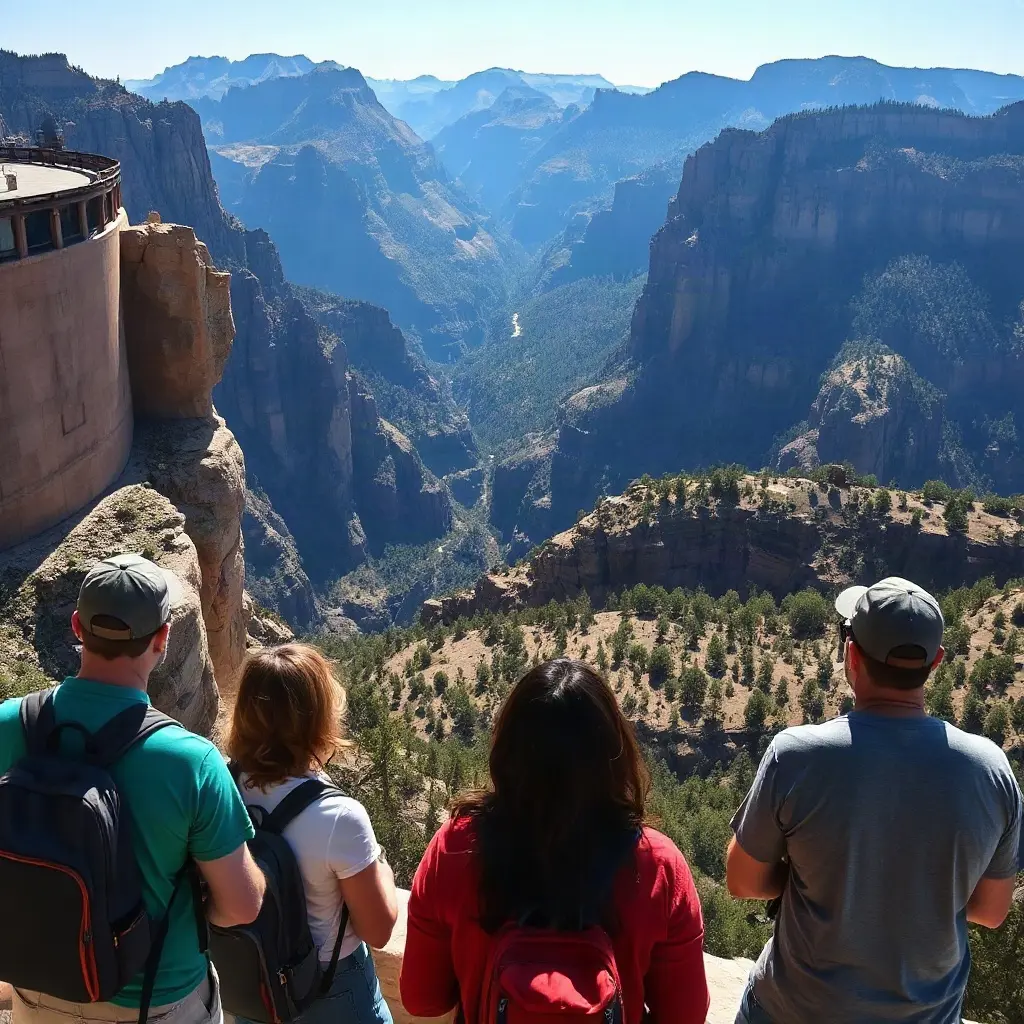
Organized trips may use minibuses, vans or larger coaches, while independent visitors may combine rental cars with park shuttles. Internal shuttle systems can reduce congestion but may restrict where private vehicles travel during busy periods. A transport review should check airport pickup, luggage limits, hotel transfers, fuel or mileage treatment, daily driving hours and the meeting point. Long distances between parks can turn a sightseeing trip into a demanding road journey.
Seasons, closures and reservations
Summer generally offers the broadest access in high-elevation parks, but it can also bring crowded roads, higher lodging costs and intense midday heat in desert parks. Spring and autumn may provide milder temperatures and fewer visitors, although snow, flooding, wildfire smoke or temporary road closures can disrupt routes. Winter creates a different experience, with snow travel and reduced services affecting Yellowstone, Yosemite, Bryce Canyon and other mountain destinations.
Park entry authorization, lodging arrangements, guided-tour reservations, wilderness permits and timed-entry systems are separate matters. A reservation for one does not automatically cover the others. Before departure, travelers should verify official park alerts, road conditions, shuttle schedules, entrance requirements and rules for restricted trails. It is also important to check cancellation terms, weather contingencies and whether the guide can alter the route when conditions become unsafe.
How to assess a guided tour
Group size is a major comfort and safety factor. Small groups can make wildlife viewing and questions easier, while larger coaches may provide more predictable transport but less flexibility. The guide's training, knowledge of local hazards and emergency communication plan matter more than promotional descriptions. A clear itinerary should state whether walks are optional, how much elevation change is involved, where meals occur and whether specialist equipment is supplied.
Accessibility requires specific questions about vehicle steps, trail surfaces, restroom access, hotel elevators and the distance between parking areas and viewpoints. Wildlife tours should explain safe viewing distances and prohibit attempts to approach or feed animals. Travelers should also prepare for changing temperatures, carry water, follow food-storage rules and protect natural and cultural resources. A hotel and guided-tour combination is useful only when its physical demands and transport arrangements match the travelers' abilities.
Rules and a practical comparison checklist
National parks commonly prohibit disturbing wildlife, collecting natural objects, leaving waste, feeding animals and entering closed areas. Fires, camping, food storage, drones, pets and backcountry travel may be controlled by park-specific regulations. These rules protect visitors and ecosystems, and violations can create safety risks or penalties. Guides may explain local requirements, but responsibility remains with each visitor to follow posted instructions and official alerts.
- Confirm the park, entrances, hotel locations and number of nights.
- Separate room costs, guide fees, park admission, transport, meals, taxes and gratuities.
- Check walking distances, elevation, vehicle time, accessibility and emergency procedures.
- Verify seasonal road closures, permits, shuttle requirements and weather contingencies.
- Compare group size, guide qualifications, meeting points and what happens when activities change.
The strongest comparison is therefore not simply the lowest total figure. It is the itinerary that clearly explains where the hotel is located, how sightseeing is conducted, which fees are included and what risks remain. For 2026 planning, published cost ranges show why a comfortable hotel-and-guided format can sit well above a camping trip, especially when in-park lodging and several organized activities are involved.
Sources
- How Much Does a National Park Trip Actually Cost in 2026? Complete Budget Breakdown - Park Adventurer: https://parkadventurer.com/national-park-trip-cost-2026/